

Row over university fees shows UK’s ‘reset’ with EU may not be so simple
#Brexit #university fees #EU students #UK-EU relations #higher education #enrollment #financial impact #post-Brexit
📌 Key Takeaways
- UK universities face uncertainty over EU student fee structures post-Brexit.
- The dispute highlights ongoing complexities in UK-EU relations after Brexit.
- Higher education sector is concerned about financial and enrollment impacts.
- The situation underscores broader challenges in redefining UK-EU ties.
📖 Full Retelling
🏷️ Themes
Brexit Impact, Higher Education
📚 Related People & Topics
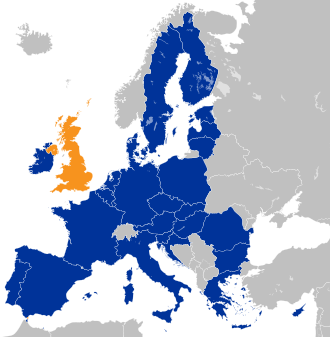
Brexit
Withdrawal of the UK from the EU
Brexit (; a portmanteau of "Britain" and "Exit") was the withdrawal of the United Kingdom (UK) from the European Union (EU). Brexit took place at 23:00 GMT on 31 January 2020 (00:00 1 February 2020 CET). The UK, which joined the EU precursor, the European Communities (EC), on 1 January 1973, is the ...
Entity Intersection Graph
Connections for Brexit:
Mentioned Entities
Deep Analysis
Why It Matters
This news matters because it highlights ongoing tensions in UK-EU relations post-Brexit, affecting students, universities, and bilateral cooperation. It impacts EU students facing higher tuition fees in the UK, potentially reducing diversity and revenue for British universities. The dispute underscores broader challenges in renegotiating agreements, signaling that Brexit's implementation remains complex and contentious.
Context & Background
- The UK left the EU in January 2020, ending freedom of movement and access to EU programs like Erasmus.
- Pre-Brexit, EU students paid the same tuition fees as UK students, often subsidized, but now face higher international rates.
- The Brexit deal included limited provisions on education, leaving issues like student fees and research funding to bilateral negotiations.
What Happens Next
Expect continued negotiations between the UK and individual EU countries to resolve fee disparities, possibly by late 2024. Universities may lobby for government support to attract EU students. If unresolved, a decline in EU student enrollment could prompt policy reviews or legal challenges.
Frequently Asked Questions
After Brexit, the UK reclassified EU students as international, removing previous fee caps and subsidies. This aligns with post-Brexit immigration and education policies.
UK universities may see reduced EU student enrollment, impacting diversity and financial revenue. They could face increased competition from EU institutions offering lower fees.
Yes, the UK and EU could negotiate bilateral deals on student fees, similar to arrangements with non-EU countries, but progress depends on political will and broader relations.
This dispute shows that post-Brexit 'reset' efforts are fragile, with practical issues like education fees complicating cooperation and trust-building.