
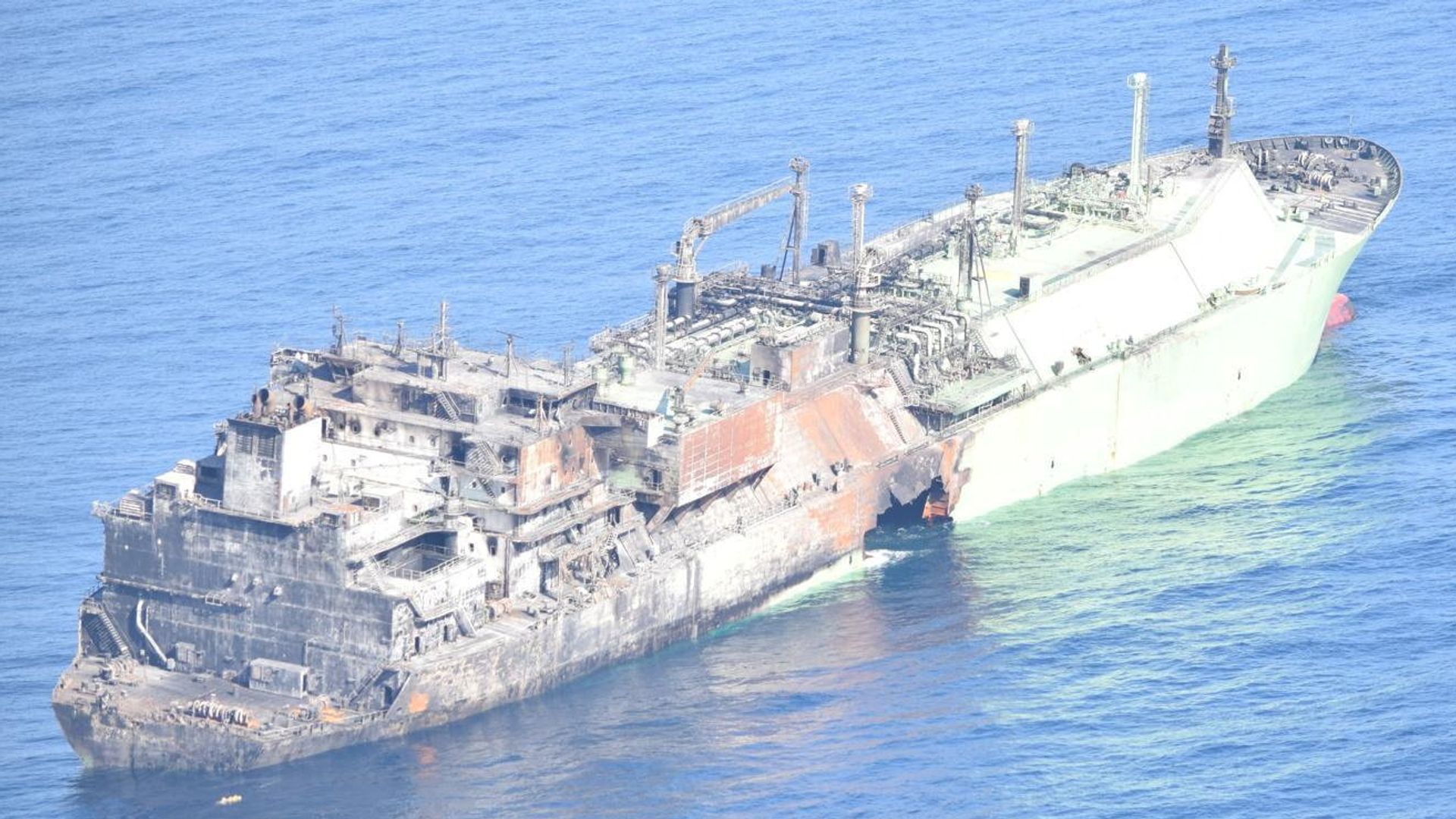
Russian tanker adrift in Mediterranean poses 'imminent and serious' threat, EU states say
#Russian tanker #Mediterranean #adrift #EU #environmental threat #maritime safety #oil spill
📌 Key Takeaways
- A Russian tanker is adrift in the Mediterranean Sea, creating a significant environmental and safety risk.
- EU member states have labeled the situation as an 'imminent and serious' threat.
- The drifting vessel raises concerns about potential oil spills or collisions in busy maritime routes.
- The incident highlights ongoing tensions and logistical challenges involving Russian shipping amid geopolitical conflicts.
📖 Full Retelling
🏷️ Themes
Maritime Safety, Environmental Risk
Entity Intersection Graph
No entity connections available yet for this article.
Deep Analysis
Why It Matters
This situation matters because a drifting Russian tanker in the Mediterranean Sea creates an immediate environmental hazard, threatening marine ecosystems and coastal communities with potential oil spills. It affects maritime safety, disrupting shipping lanes and posing collision risks to other vessels. The incident also carries geopolitical implications, involving EU-Russia relations and international maritime law enforcement, while potentially straining regional emergency response capabilities.
Context & Background
- The Mediterranean Sea is a critical global shipping route handling approximately 20% of global maritime trade, making maritime incidents particularly consequential.
- Russia maintains a significant tanker fleet, with many vessels continuing operations despite international sanctions following the 2022 invasion of Ukraine.
- Previous tanker incidents like the 2020 MV Wakashio grounding in Mauritius caused ecological disasters, demonstrating how quickly drifting vessels can escalate into environmental crises.
- EU nations have increased maritime surveillance in the Mediterranean due to migration patterns, energy security concerns, and geopolitical tensions with Russia.
- International maritime law requires vessel owners and flag states to maintain control of ships and prevent navigational hazards, with potential liability for damages.
What Happens Next
EU coast guard and naval assets will likely attempt to establish contact and potentially board the vessel if deemed necessary to prevent disaster. The International Maritime Organization may be notified to coordinate a multinational response if the tanker drifts toward international waters. Legal proceedings could follow regarding salvage rights, environmental liability, and potential sanctions violations depending on the tanker's ownership and cargo. A tow operation will probably be organized within days to secure the vessel before it grounds or spills its contents.
Frequently Asked Questions
The tanker may be experiencing mechanical failure, loss of propulsion, or steering system malfunction. Alternatively, there could be crew incapacitation due to medical emergency, abandonment, or other onboard crises preventing normal operation.
Potential damage includes oil spills contaminating coastlines, harming marine life through toxicity and habitat destruction, and creating fire hazards if volatile cargo leaks. The Mediterranean's semi-enclosed nature means pollutants circulate and persist longer than in open oceans.
Primary responsibility lies with the vessel's owner, operator, and flag state (country of registration), but EU coastal states have authority to intervene in their territorial waters to prevent imminent environmental threats under international maritime law.
While not confirmed, some Russian tankers face maintenance and insurance challenges due to sanctions, potentially contributing to mechanical issues. However, drifting incidents occur worldwide regardless of geopolitical factors, often due to technical failures.
Standard procedures include establishing communication, assessing cargo hazards, deploying tugboats for controlled towing, and preparing containment booms and skimmers for potential spills. In extreme cases, controlled burning or salvage operations may be necessary.
The coastal state gains jurisdiction to intervene more directly, potentially boarding the vessel, arranging emergency towing, or even destroying it if deemed necessary to prevent greater environmental harm, though this requires careful legal consideration.