
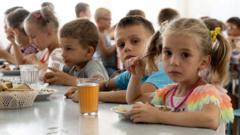
Russia's deportation of Ukrainian children amounts to crime against humanity, UN says
#Russia #Ukraine #deportation #children #crime against humanity #UN #war crimes #accountability
📌 Key Takeaways
- UN report concludes Russia's deportation of Ukrainian children constitutes a crime against humanity.
- The findings are based on evidence of systematic forced transfers from occupied Ukrainian territories.
- This action is part of broader allegations of war crimes and human rights violations in the conflict.
- The UN calls for accountability and international legal action against those responsible.
📖 Full Retelling
🏷️ Themes
War Crimes, Human Rights
Entity Intersection Graph
No entity connections available yet for this article.
Deep Analysis
Why It Matters
This UN determination elevates Russia's actions from alleged violations to officially recognized international crimes, potentially triggering stronger international legal responses. It affects thousands of Ukrainian families separated from their children and could influence future war crimes prosecutions. The designation also impacts global diplomatic relations by formally condemning Russia's actions through the UN system, potentially leading to increased sanctions or other multilateral measures against Russian officials.
Context & Background
- Russia has been accused of forcibly relocating thousands of Ukrainian children to Russian territory since the full-scale invasion began in February 2022
- The International Criminal Court issued arrest warrants for Russian President Vladimir Putin and Children's Rights Commissioner Maria Lvova-Belova in March 2023 for alleged war crimes involving child deportations
- Ukraine estimates that over 19,000 children have been forcibly deported to Russia, with only about 400 successfully returned through various mechanisms
- The 1949 Geneva Conventions and Additional Protocols explicitly prohibit the forced transfer of children from occupied territories
- Russia claims the transfers are humanitarian evacuations for children's safety, while Ukraine and international observers characterize them as systematic deportations
What Happens Next
The UN finding will likely strengthen Ukraine's case at the International Court of Justice and support ongoing ICC investigations. Expect increased diplomatic pressure on Russia through UN mechanisms, possibly leading to Security Council debates despite Russia's veto power. Human rights organizations will use this determination to advocate for stronger sanctions against Russian officials involved in the deportation program, and Ukraine will intensify efforts to document cases for future reparations claims.
Frequently Asked Questions
Crimes against humanity are widespread or systematic attacks directed against civilian populations, including deportation or forcible transfer. They differ from war crimes in that they don't require connection to armed conflict and represent particularly grave violations of human dignity.
The UN finding represents an official intergovernmental body's conclusion, while ICC warrants are judicial actions from a court. The UN determination carries political weight in international forums and could mobilize broader state action beyond individual prosecutions.
This could lead to expanded sanctions against Russian officials, stronger international isolation, and increased evidence collection for future tribunals. It may also affect Russia's standing in UN bodies and complicate diplomatic relations with countries that respect UN determinations.
Ukraine maintains databases with identifying information, while international organizations attempt to document cases. Return mechanisms involve diplomatic negotiations, sometimes through third countries, though Russia generally denies holding children against their will.
Russia argues it's protecting children from conflict zones, citing security concerns. However, international law requires that such transfers be temporary and in the children's best interests, with maintained connections to their families and culture—conditions critics say Russia violates.