
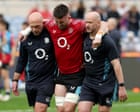
Sale warn England ‘superhuman’ Tom Curry needs time off to prolong career
#Tom Curry #Sale Sharks #England rugby #player workload #career longevity #rest #fatigue #rugby schedule
📌 Key Takeaways
- Sale Sharks warn that Tom Curry requires a significant break from rugby to extend his career.
- Curry is described as 'superhuman' but his physical demands necessitate rest.
- The club emphasizes the importance of managing player workload for long-term health.
- England's rugby schedule is highlighted as a factor contributing to player fatigue.
📖 Full Retelling
🏷️ Themes
Player Welfare, Rugby Management
📚 Related People & Topics
Sale Sharks
Professional rugby union club from Greater Manchester, England
Sale Sharks is a professional rugby union club from Greater Manchester, England, United Kingdom. The team plays in the Gallagher Premiership, and has been in England's top division of rugby union continuously since 1994. Originally founded in 1861 as Sale Football Club (which is now a distinct amate...
Entity Intersection Graph
No entity connections available yet for this article.
Mentioned Entities
Deep Analysis
Why It Matters
This news matters because it highlights the growing concern over player welfare in professional rugby, particularly regarding the long-term health and career sustainability of elite athletes. It affects Tom Curry's personal health and future playing ability, impacts Sale Sharks' team management and performance planning, and raises questions for England's national team selection and player management protocols. The situation also has broader implications for rugby's governing bodies regarding workload regulations and could influence contract negotiations and insurance considerations across the sport.
Context & Background
- Tom Curry is a 25-year-old England international rugby union player who plays as a flanker for Sale Sharks in the Premiership and the England national team.
- Curry has been a key player for both club and country since his debut, known for his physical playing style and high work rate, which has led to significant wear and tear on his body.
- Professional rugby has faced increasing scrutiny over player welfare issues, with concerns about concussion protocols, injury rates, and the long-term health impacts of the sport's physical demands.
- The rugby calendar has become increasingly congested with club competitions, international tours, and World Cups, creating minimal recovery time for top players who participate in multiple competitions.
- Sale Sharks have previously managed other players through extended rest periods to address injury concerns and prolong careers, reflecting a growing trend in professional sports toward proactive athlete management.
What Happens Next
Sale Sharks will likely implement a structured rest period for Curry, potentially keeping him out of upcoming Premiership matches while monitoring his recovery. England's coaching staff will need to consider his availability for upcoming international fixtures, possibly resting him during the autumn internationals or Six Nations. Medical teams will conduct thorough assessments to determine the optimal recovery timeline, which could involve specialized rehabilitation programs. The situation may prompt further discussions between club and country about coordinated player management protocols for the 2025 British & Irish Lions tour preparations.
Frequently Asked Questions
Curry needs time off because his intense playing schedule and physical style have accumulated significant physical strain, requiring proper recovery to prevent serious injury and extend his career longevity. Sale's medical staff have identified that continued play without adequate rest could lead to chronic issues or premature retirement.
England may need to plan without Curry for upcoming matches, testing their squad depth at flanker. This situation will force coaches to develop alternative strategies and give opportunities to emerging players while highlighting ongoing concerns about managing elite players' workloads between club and international commitments.
While the article doesn't specify particular injuries, it references accumulated physical toll from his 'superhuman' efforts, suggesting general wear-and-tear rather than a single acute injury. This typically involves joint stress, muscle fatigue, and recovery deficits that require comprehensive rehabilitation.
The duration will depend on medical assessments, but similar cases in rugby often involve several weeks to months of managed recovery. Sale will likely implement a phased return program rather than a fixed timeline, prioritizing long-term health over immediate availability.
Yes, managing player workload has become increasingly critical in rugby due to the sport's physical demands and crowded calendar. Many clubs now implement strategic rest periods for key players, though balancing this with competitive needs remains challenging for teams and governing bodies.