
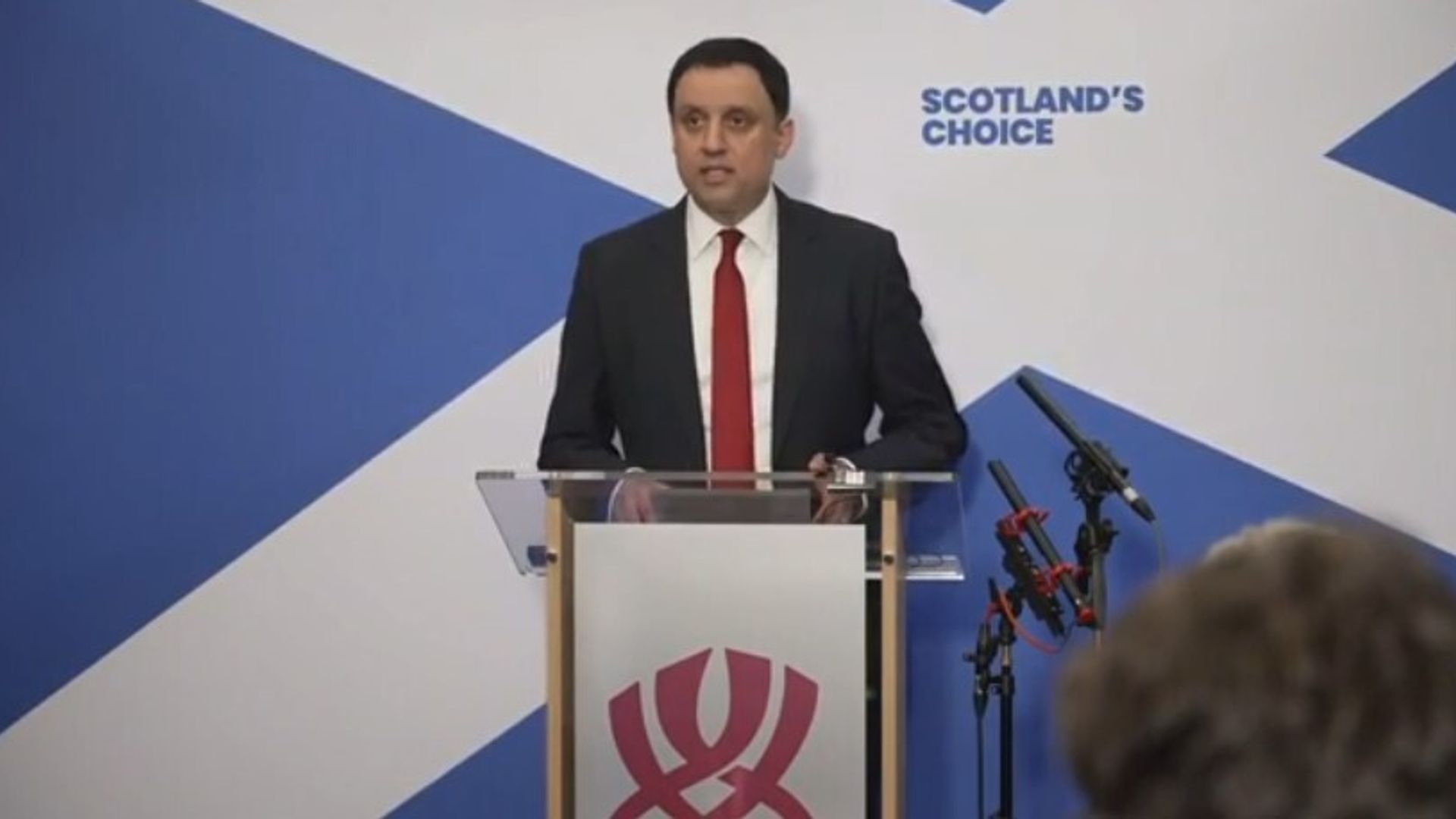
Scottish Labour leader calls for Starmer to stand down
#Anas Sarwar #Keir Starmer #Labour Party #Prime Minister #Scotland #Resignation #UK Politics
📌 Key Takeaways
- Scottish Labour leader Anas Sarwar has formally called for Prime Minister Keir Starmer to resign.
- The demand highlights a significant and public rift between the Scottish and UK branches of the Labour Party.
- Sarwar's move is interpreted as an effort to protect Scottish Labour's interests from Westminster controversies.
- The call for resignation creates an immediate leadership crisis and internal pressure for the Prime Minister.
📖 Full Retelling
Scottish Labour leader Anas Sarwar issued a dramatic public demand for Prime Minister Keir Starmer to resign from his position in London on Tuesday, citing a loss of political confidence and the need for new leadership within the UK government. The unexpected move marks a significant internal fracture between the Scottish and UK branches of the Labour party, occurring as the Prime Minister faces mounting scrutiny over recent policy decisions and internal party management. Sarwar’s call for a leadership transition highlights a deepening rift that threatens the unified front Labour has attempted to project since taking office.
The friction between the London-based leadership and its Scottish counterpart centers on differing approaches to governance and the specific needs of the Scottish electorate. By openly calling for Starmer to stand down, Sarwar has effectively challenged the Prime Minister's authority, indicating that the current direction of the party is at odds with the priorities of Labour officials in Edinburgh. This move is viewed by political analysts as an attempt by the Scottish branch to distance itself from the controversies currently haunting the Westminster administration ahead of upcoming regional cycles.
Historically, the relationship between the UK Prime Minister and the leader of the Scottish Labour Party has been a delicate balancing act, but an outright call for a resignation is an extraordinary departure from standard protocol. Analysts suggest that this escalation could lead to a broader leadership crisis within the party, as other regional leaders may now feel emboldened to voice their own dissatisfactions. For Starmer, this development adds a layer of domestic political pressure during a period already marked by legislative challenges and fluctuating approval ratings.
As the fallout from Sarwar’s statement continues to spread through political circles, the Prime Minister’s office has yet to provide a comprehensive rebuttal, though party loyalists have begun defending Starmer's record. The coming days will be critical in determining whether Sarwar’s stance remains an isolated incident or if it serves as the catalyst for a wider movement to replace the Prime Minister. This internal power struggle underscores the complex dynamics of devolved politics and the high stakes of maintaining partisan unity across the United Kingdom.
🏷️ Themes
Politics, Governance, Internal Conflict
Entity Intersection Graph
No entity connections available yet for this article.