

Shabana Mahmood approves police request to ban Al Quds march in London
#Shabana Mahmood #Al Quds march #London #ban #police request #public safety #Israeli-Palestinian conflict
📌 Key Takeaways
- Shabana Mahmood, the UK's Justice Secretary, has approved a police request to ban the annual Al Quds Day march in London.
- The decision was made due to concerns over public safety and the potential for disorder linked to the march's political messaging.
- The Al Quds Day march, which typically protests Israeli policies and shows solidarity with Palestinians, has previously faced criticism and counter-protests.
- This ban reflects ongoing tensions in the UK regarding public demonstrations related to the Israeli-Palestinian conflict.
📖 Full Retelling
🏷️ Themes
Public Safety, Political Protest
📚 Related People & Topics

Jerusalem
City in the Southern Levant
Jerusalem is a city in the Southern Levant, on a plateau in the Judaean Mountains between the Mediterranean and the Dead Sea. It is one of the oldest cities in the world and is considered holy to the three major Abrahamic religions: Judaism, Christianity and Islam. Both Israel and Palestine claim Je...

Shabana Mahmood
British politician (born 1980)
Shabana Mahmood (, born 17 September 1980) is a British politician and barrister who has been serving as Home Secretary since 2025. She previously served as Secretary of State for Justice and Lord Chancellor from 2024 to 2025. A member of the Labour Party, she has been Member of Parliament (MP) for ...
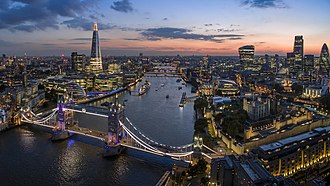
London
Capital of England and the United Kingdom
London is the capital and largest city of both England and the United Kingdom, with a population of 9.1 million people in 2024. Its wider metropolitan area is the largest in Western Europe, with a population of 15.1 million. London stands on the River Thames in southeast England, at the head of a 50...
Entity Intersection Graph
Connections for Jerusalem:
View full profileMentioned Entities
Deep Analysis
Why It Matters
This decision matters because it involves balancing public safety concerns with freedom of expression rights in a major global city. It affects London's Muslim and Jewish communities who have strong but opposing views on the Israeli-Palestinian conflict, as well as police resources and political leaders navigating community tensions. The ban sets a precedent for how UK authorities handle demonstrations related to international conflicts that have domestic implications.
Context & Background
- The Al Quds Day march is an annual event organized by supporters of Palestine that typically occurs on the last Friday of Ramadan, with 'Al Quds' being the Arabic name for Jerusalem
- Previous Al Quds marches in London have drawn criticism from Jewish groups and some politicians who view them as platforms for antisemitic rhetoric and support for militant groups
- UK police have authority under the Public Order Act 1986 to request bans on marches when they believe serious public disorder may occur, with final approval coming from the Home Secretary
What Happens Next
Organizers may challenge the ban through legal channels, potentially leading to court proceedings in the coming weeks. Alternative protests or gatherings may be organized despite the march ban, requiring increased police monitoring. The decision will likely be debated in Parliament and scrutinized by human rights organizations concerned about freedom of assembly.
Frequently Asked Questions
The Al Quds march is an annual demonstration expressing solidarity with Palestinians and opposition to Israeli control of Jerusalem. It originated in Iran after the 1979 revolution and has since been adopted by various pro-Palestinian groups internationally.
Police likely requested the ban due to concerns about public disorder, potential clashes between pro-Palestinian and pro-Israeli demonstrators, or intelligence about extremist elements planning to participate. They must demonstrate that the march would likely result in serious public disorder to justify such a request.
As the Home Secretary, Shabana Mahmood has the legal authority under UK public order legislation to approve police requests to ban marches. This power is typically exercised when there is evidence that a procession would result in serious public disorder that cannot be controlled through other means.
Pro-Palestinian groups typically condemn such bans as suppressing legitimate political expression, while Jewish community organizations often welcome them as necessary to prevent antisemitic rhetoric. Civil liberties groups frequently express concern about the erosion of protest rights regardless of the content.