
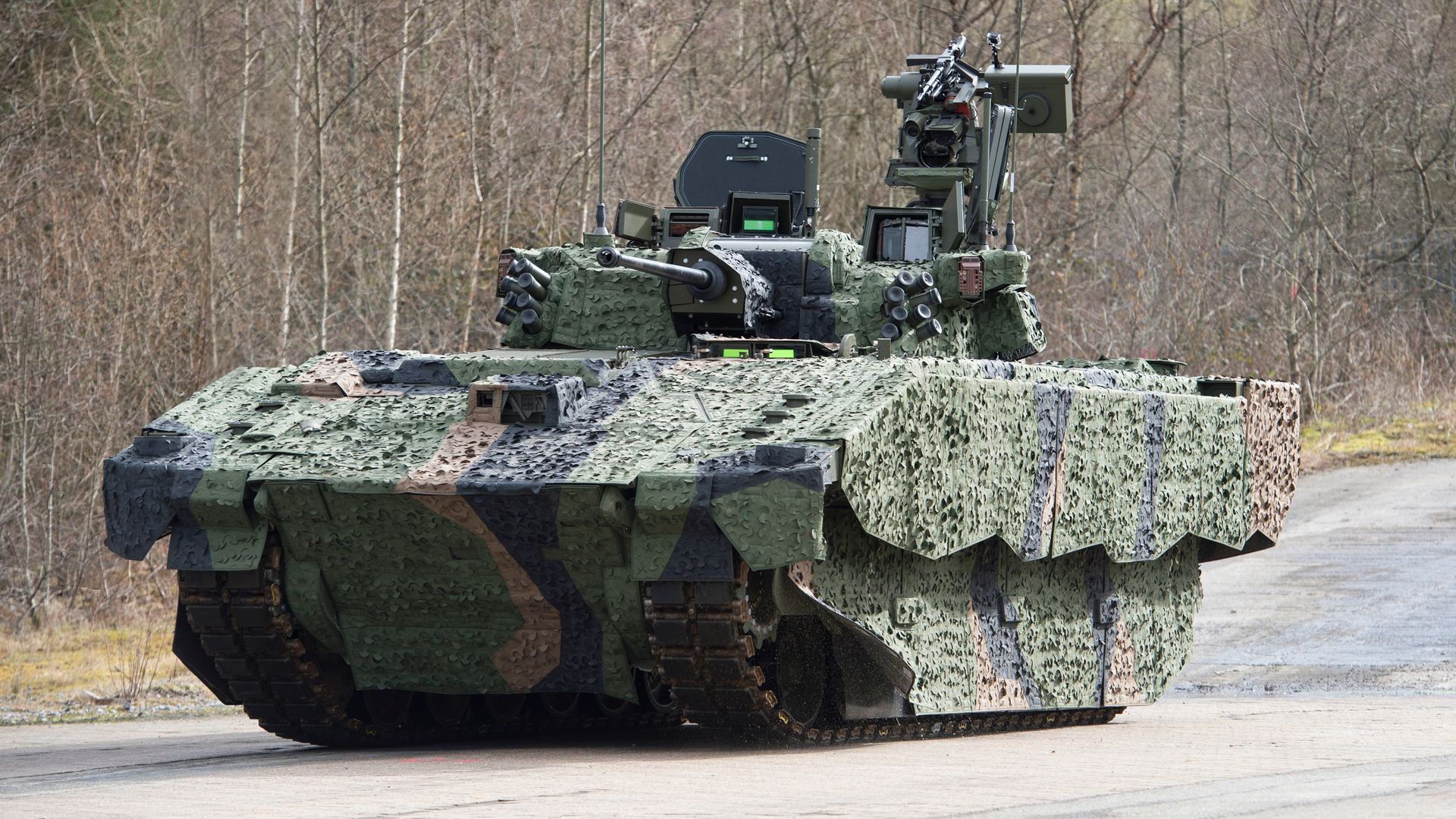
Spend more on defence or risk being vulnerable to missile and drone attacks, UK warned
#defence spending #missile attacks #drone attacks #UK vulnerability #military investment
📌 Key Takeaways
- UK faces vulnerability to missile and drone attacks without increased defence spending
- Warning emphasizes urgent need for enhanced military investment
- Current defence budget deemed insufficient for modern threats
- Calls for strategic prioritization of air and missile defence systems
📖 Full Retelling
🏷️ Themes
Defence Spending, National Security
Entity Intersection Graph
No entity connections available yet for this article.
Deep Analysis
Why It Matters
This warning highlights critical national security vulnerabilities in the UK's defense capabilities against modern asymmetric threats like drones and missiles. It affects military planners, defense contractors, and taxpayers who fund defense budgets, while also impacting public safety and the UK's geopolitical standing. The urgency suggests current spending levels may leave critical infrastructure and population centers exposed to emerging attack methods that bypass traditional defenses.
Context & Background
- The UK has maintained defense spending around 2% of GDP, meeting NATO's minimum target but facing criticism for capability gaps.
- Recent conflicts in Ukraine and the Middle East have demonstrated the effectiveness of cheap drones and missiles against expensive traditional military systems.
- The UK's Integrated Review of Security, Defence, Development and Foreign Policy in 2023 already identified growing threats from state and non-state actors.
- Britain's Royal Air Force and Royal Navy have faced budget constraints affecting modernization programs for air defense systems.
- The war in Ukraine has depleted Western ammunition stockpiles, revealing supply chain vulnerabilities in prolonged conflicts.
What Happens Next
The UK government will likely face increased parliamentary pressure to review defense spending ahead of the next budget cycle, potentially leading to emergency funding allocations. Defense contractors may see accelerated procurement processes for counter-drone and missile defense systems. NATO allies will monitor the UK's response as it sets precedents for European defense spending commitments.
Frequently Asked Questions
Modern drones have become cheap, widely available, and capable of bypassing traditional air defenses, while missile technology has proliferated to non-state actors. Recent conflicts demonstrate how these systems can inflict disproportionate damage against expensive military assets and civilian infrastructure.
The UK meets NATO's 2% of GDP minimum target but lags behind countries like Poland and the United States in percentage terms. Several European nations have increased spending following Russia's invasion of Ukraine, creating pressure for the UK to maintain its relative military standing.
The UK has gaps in integrated air defense systems, particularly against drone swarms and hypersonic missiles. Critical national infrastructure like energy facilities and ports may lack adequate protection, while ammunition stockpiles remain insufficient for prolonged conflicts.
While the article doesn't specify the source, such warnings typically come from defense analysts, parliamentary committees, or military leaders with access to classified threat assessments. These experts base their concerns on intelligence reports and lessons from current conflicts.
Higher defense budgets would likely require cuts to other departments like healthcare, education, or social services, or increased borrowing/taxation. This creates difficult political choices between immediate security needs and long-term domestic priorities.