
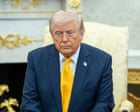
Strike on Iran gas field exposes US-Israel rift as Trump claims he did not know
#Iran #gas field #strike #U.S.-Israel rift #Donald Trump #coordination #Middle East
📌 Key Takeaways
- A strike on an Iranian gas field has highlighted a rift between the U.S. and Israel.
- Former President Donald Trump claims he was unaware of the strike.
- The incident underscores tensions in U.S.-Israel relations regarding Iran policy.
- The attack raises questions about coordination and strategy between the allies.
📖 Full Retelling
🏷️ Themes
Geopolitical Tensions, Diplomatic Relations
📚 Related People & Topics

Iran
Country in West Asia
# Iran **Iran**, officially the **Islamic Republic of Iran** and historically known as **Persia**, is a sovereign country situated in West Asia. It is a major regional power, ranking as the 17th-largest country in the world by both land area and population. Combining a rich historical legacy with a...

Middle East
Transcontinental geopolitical region
The Middle East is a geopolitical region encompassing the Arabian Peninsula, Egypt, Iran, Iraq, the Levant, and Turkey. The term came into widespread usage by Western European nations in the early 20th century as a replacement of the term Near East (both were in contrast to the Far East). The term ...

Donald Trump
President of the United States (2017–2021; since 2025)
Donald John Trump (born June 14, 1946) is an American politician, media personality, and businessman who is the 47th president of the United States. A member of the Republican Party, he served as the 45th president from 2017 to 2021. Born into a wealthy New York City family, Trump graduated from the...
Entity Intersection Graph
Connections for Iran:
Mentioned Entities
Deep Analysis
Why It Matters
This incident reveals significant tensions between the United States and Israel regarding military actions against Iran, potentially undermining coordinated strategy against Tehran's nuclear program. It affects regional stability in the Middle East, impacts oil and gas markets due to attacks on energy infrastructure, and creates diplomatic complications for both nations. The public disagreement between close allies could embolden Iran and complicate future negotiations.
Context & Background
- The US and Israel have historically been close allies with generally aligned interests regarding Iran's nuclear ambitions
- Iran has faced multiple sanctions and diplomatic pressure over its nuclear program since the 2000s
- Previous attacks on Iranian infrastructure have been attributed to Israel, including the Stuxnet cyberattack and assassinations of nuclear scientists
- The Trump administration withdrew from the Iran nuclear deal (JCPOA) in 2018 and pursued a 'maximum pressure' campaign against Tehran
What Happens Next
Increased diplomatic efforts to repair US-Israel coordination on Iran policy, potential retaliatory actions by Iran against regional targets, possible escalation of covert operations against Iranian facilities, and renewed discussions about reviving nuclear negotiations with Tehran.
Frequently Asked Questions
Israel may have acted independently due to differing threat assessments or timing concerns, or to maintain operational secrecy. This suggests Israel perceives an immediate threat from Iran's nuclear program that requires immediate action.
The attack complicates diplomatic efforts by demonstrating continued military pressure on Iran. It may harden Iran's position in negotiations or provide justification for accelerating its nuclear program in response to perceived aggression.
Such attacks increase regional tensions and risk triggering broader conflict. They demonstrate the ongoing shadow war between Iran and its adversaries that could escalate into open confrontation.
The public disagreement creates temporary strain but both nations share fundamental interests regarding Iran. Expect behind-the-scenes efforts to improve coordination while maintaining public unity against Iran's nuclear ambitions.