
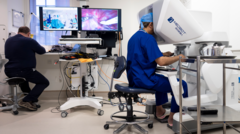
Surgeon's operation on patient 2,400km away is UK first
#remote surgery #telemedicine #UK first #surgeon #patient #medical technology #healthcare access
📌 Key Takeaways
- A surgeon performed a remote operation on a patient located 2,400km away, marking a first in the UK.
- The procedure demonstrates advancements in telemedicine and remote surgical technology.
- This milestone could expand access to specialized medical care across long distances.
- It highlights the potential for reducing geographical barriers in healthcare delivery.
🏷️ Themes
Telemedicine, Medical Innovation
Entity Intersection Graph
No entity connections available yet for this article.
Deep Analysis
Why It Matters
This development represents a significant advancement in telemedicine and surgical technology, potentially revolutionizing healthcare access for patients in remote or underserved areas. It demonstrates that complex surgical procedures can be performed safely across vast distances, which could help address healthcare disparities and specialist shortages. The breakthrough affects patients who would otherwise need to travel long distances for specialized care, healthcare systems looking to optimize specialist resources, and the medical technology sector developing remote surgical systems.
Context & Background
- Remote surgery (telesurgery) has been developing since the 1990s with the first transatlantic surgery performed in 2001
- The COVID-19 pandemic accelerated adoption of telemedicine across all medical specialties
- Robotic surgical systems like da Vinci have been used for remote procedures but typically require surgeon and patient in same facility
- Previous long-distance surgeries have faced challenges with latency and connectivity issues
- The UK's National Health Service has been investing in digital health initiatives to improve access to care
What Happens Next
Expect expanded trials of remote surgical procedures across different specialties within the next 6-12 months. Regulatory bodies will likely develop specific guidelines for remote surgery certification and safety protocols. Healthcare systems may begin planning infrastructure investments to support wider implementation of telesurgery capabilities. Medical device companies will accelerate development of next-generation robotic systems with enhanced remote operation features.
Frequently Asked Questions
Remote surgery uses robotic systems controlled by surgeons through specialized consoles with haptic feedback, connected via high-speed, low-latency networks. The surgeon views the surgical site through high-definition 3D cameras while manipulating robotic arms that mimic their hand movements with precision.
Primary concerns include network reliability, latency issues that could affect real-time control, cybersecurity risks, and emergency response protocols if technical failures occur during procedures. Systems typically include multiple redundancy measures and local medical teams ready to intervene if needed.
Elective procedures with predictable anatomy like gallbladder removal, hernia repairs, and certain orthopedic and urological surgeries are currently most suitable. Emergency surgeries and procedures requiring significant tactile feedback remain more challenging for remote operation.
Initially, remote surgery requires significant investment in robotic systems and network infrastructure, making it more expensive. However, over time it could reduce costs by eliminating patient travel expenses, optimizing specialist time, and potentially reducing hospital stays through more precise procedures.
Remote surgery technology enables expert surgeons to mentor and guide less experienced colleagues in real-time, potentially improving training outcomes. It also allows for recording and analysis of surgical techniques for educational purposes, though hands-on training remains essential for developing surgical skills.