
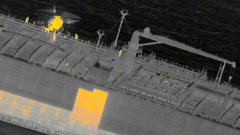
Sweden detains captain of Russian shadow fleet ship
#Sweden #Russia #shadow fleet #captain detention #oil sanctions #maritime law #international restrictions
📌 Key Takeaways
- Swedish authorities detained the captain of a Russian shadow fleet vessel.
- The detention is part of efforts to enforce sanctions against Russia.
- The ship was involved in transporting oil, likely circumventing international restrictions.
- This action highlights increased scrutiny on Russia's maritime activities.
📖 Full Retelling
🏷️ Themes
Sanctions Enforcement, Maritime Security
📚 Related People & Topics

Russia
Country in Eastern Europe and North Asia
Russia, or the Russian Federation, is a country in Eastern Europe and North Asia. It is the largest country in the world, spanning eleven time zones and sharing land borders with fourteen countries. With a population of over 140 million, Russia is the most populous country in Europe and the ninth-mo...

Sweden
Country in northern Europe
Sweden, formally the Kingdom of Sweden, is a Nordic country located on the Scandinavian Peninsula in Northern Europe. It borders Norway to the west and north, and Finland to the east. At 450,295 square kilometres (173,860 sq mi), Sweden is the largest Nordic country by both area and population, and ...
Entity Intersection Graph
Connections for Russia:
Mentioned Entities
Deep Analysis
Why It Matters
This detention matters because it represents a significant escalation in Western enforcement against Russia's 'shadow fleet' of oil tankers that circumvent sanctions. It directly affects global energy markets by potentially disrupting Russian oil exports, impacts shipping insurance and compliance industries, and signals to other nations that circumventing sanctions carries serious legal consequences. The action also affects diplomatic relations between Sweden and Russia, potentially leading to retaliatory measures.
Context & Background
- Since Russia's 2022 invasion of Ukraine, Western nations have imposed extensive sanctions on Russian oil exports to limit Moscow's war funding
- Russia developed a 'shadow fleet' of aging tankers with opaque ownership to transport oil while avoiding price caps and sanctions enforcement
- Sweden has historically maintained neutrality but joined NATO in 2024, aligning more closely with Western security interests against Russian aggression
- The Baltic Sea region has seen increased military and economic tensions between Russia and NATO members since the Ukraine war began
- Previous shadow fleet incidents include environmental risks from aging vessels and insurance fraud concerns in international shipping
What Happens Next
Russia will likely protest the detention through diplomatic channels and potentially detain Swedish vessels in retaliation. The captain will face Swedish legal proceedings for sanctions violations, setting a precedent for other nations. Increased naval patrols and intelligence sharing among NATO members will target more shadow fleet vessels in the Baltic Sea. Shipping companies may reconsider using shadow fleet services due to heightened enforcement risks.
Frequently Asked Questions
A shadow fleet refers to older tankers with opaque ownership structures that Russia uses to transport oil while evading Western sanctions. These vessels often operate without proper insurance, use questionable documentation, and engage in ship-to-ship transfers to obscure the origin of cargo.
Sweden's recent NATO membership has aligned its security interests with Western allies against Russian aggression. The detention demonstrates Sweden's commitment to enforcing sanctions and follows increased intelligence sharing about shadow fleet movements in the Baltic Sea region.
The captain could face charges for violating EU sanctions against Russia, potentially including fines, vessel seizure, and imprisonment. Swedish authorities will investigate the ship's documentation, cargo origin, and compliance with international shipping regulations.
If enforcement actions disrupt significant shadow fleet operations, Russian oil exports could temporarily decrease, potentially tightening global supply and increasing prices. However, Russia may quickly reroute shipments through other channels to minimize market impact.
While possible, direct military confrontation is unlikely. Russia may respond with economic retaliation or increased naval presence in the Baltic, but both sides have incentives to avoid armed conflict over commercial shipping incidents.