
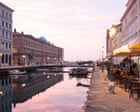
‘Tastes of salt, smells of coffee’: why Trieste is one of Italy’s best food cities
#Trieste #Italian food #coffee culture #Austro-Hungarian cuisine #seafood #regional specialties #culinary travel
📌 Key Takeaways
- Trieste's cuisine is defined by its coastal location and Austro-Hungarian influences, blending Italian and Central European flavors.
- The city is a historic coffee hub, with a vibrant cafe culture and renowned coffeehouses.
- Local specialties include seafood dishes, traditional Austro-Hungarian pastries, and unique regional wines.
- Trieste offers an underrated but rich culinary scene distinct from more famous Italian food destinations.
📖 Full Retelling
🏷️ Themes
Culinary Heritage, Regional Cuisine
📚 Related People & Topics

Trieste
City in Friuli-Venezia-Giulia, Italy
Trieste ( tree-EST, Italian: [triˈɛste] ; see more) is a city and seaport in northeast Italy. It is the capital and largest city of the autonomous region of Friuli-Venezia Giulia, as well as of the regional decentralization entity of Trieste. As of 2025, it has a population of 198,668.

Italian cuisine
Culinary traditions of Italy
Italian cuisine is a Mediterranean cuisine consisting of the ingredients, recipes, and cooking techniques developed in Italy since Roman times, and later spread around the world together with waves of Italian diaspora. Significant changes occurred with the colonization of the Americas and the conseq...
Entity Intersection Graph
No entity connections available yet for this article.
Mentioned Entities
Deep Analysis
Why It Matters
This article highlights Trieste's unique culinary identity, which matters because it showcases how border regions preserve cultural heritage through food while adapting to modern tourism. It affects food enthusiasts seeking authentic experiences beyond Italy's mainstream destinations, local businesses benefiting from culinary tourism, and cultural preservationists documenting regional traditions. The recognition also impacts Trieste's economy by potentially increasing visitor numbers and supporting local producers who maintain traditional methods.
Context & Background
- Trieste historically served as a major port of the Austro-Hungarian Empire, creating a unique blend of Italian, Slavic, and Central European culinary influences
- The city's coffee culture dates back centuries as a primary European coffee import hub, with historic cafes like Caffè San Marco operating since 1914
- Trieste was part of the Free Territory of Trieste from 1947-1954 under UN administration before being divided between Italy and Yugoslavia, further enriching its cross-cultural food traditions
- Local specialties include jota (sauerkraut and bean soup), cevapcici (Balkan grilled meat), and presnitz (walnut pastry), reflecting its multicultural heritage
- The city's position on the Adriatic Sea provides abundant seafood that features prominently in its cuisine alongside influences from neighboring Slovenia and Croatia
What Happens Next
Increased culinary tourism to Trieste is likely, with potential growth in food-focused tours and cooking classes. Local restaurants may see greater international recognition, possibly leading to Michelin guide inclusion or similar accolades. The city might develop more food festivals celebrating its unique border cuisine, and regional producers could expand distribution of traditional products like coffee and cured meats to broader markets.
Frequently Asked Questions
Trieste's cuisine uniquely blends Italian, Austrian, Slavic, and Balkan influences due to its history as a port city and border region. Unlike typical Italian food focused on regional specialties, Trieste offers dishes like goulash alongside pasta, and its coffee culture reflects centuries of import trade rather than just espresso tradition.
Trieste became Europe's main coffee import hub in the 18th century through its port, developing a sophisticated coffee culture that predates Italy's espresso tradition. Historic cafes served as intellectual centers, and local roasting techniques and coffee-based drinks remain distinct from those found elsewhere in Italy.
Situated at the crossroads of Latin, Slavic, and Germanic cultures with access to the Adriatic Sea, Trieste's cuisine incorporates seafood from the coast, hearty Central European dishes from inland influences, and Balkan grilled meats from neighboring regions, creating a truly borderland culinary experience.
Visitors should try jota (a sauerkraut and bean soup of Austro-Hungarian origin), boreto alla gradese (fish stew), and cevapcici (Balkan minced meat sausages). For sweets, presnitz (walnut strudel) and putizza (nut-filled spiral cake) showcase the region's pastry traditions blending Italian and Central European techniques.
Yes, Trieste offers both historic cafes and traditional buffets (buffets are local eateries serving home-style food) that welcome visitors. The city's compact center makes culinary exploration easy, and many restaurants provide explanations of their cross-cultural dishes for those unfamiliar with the region's unique food heritage.