
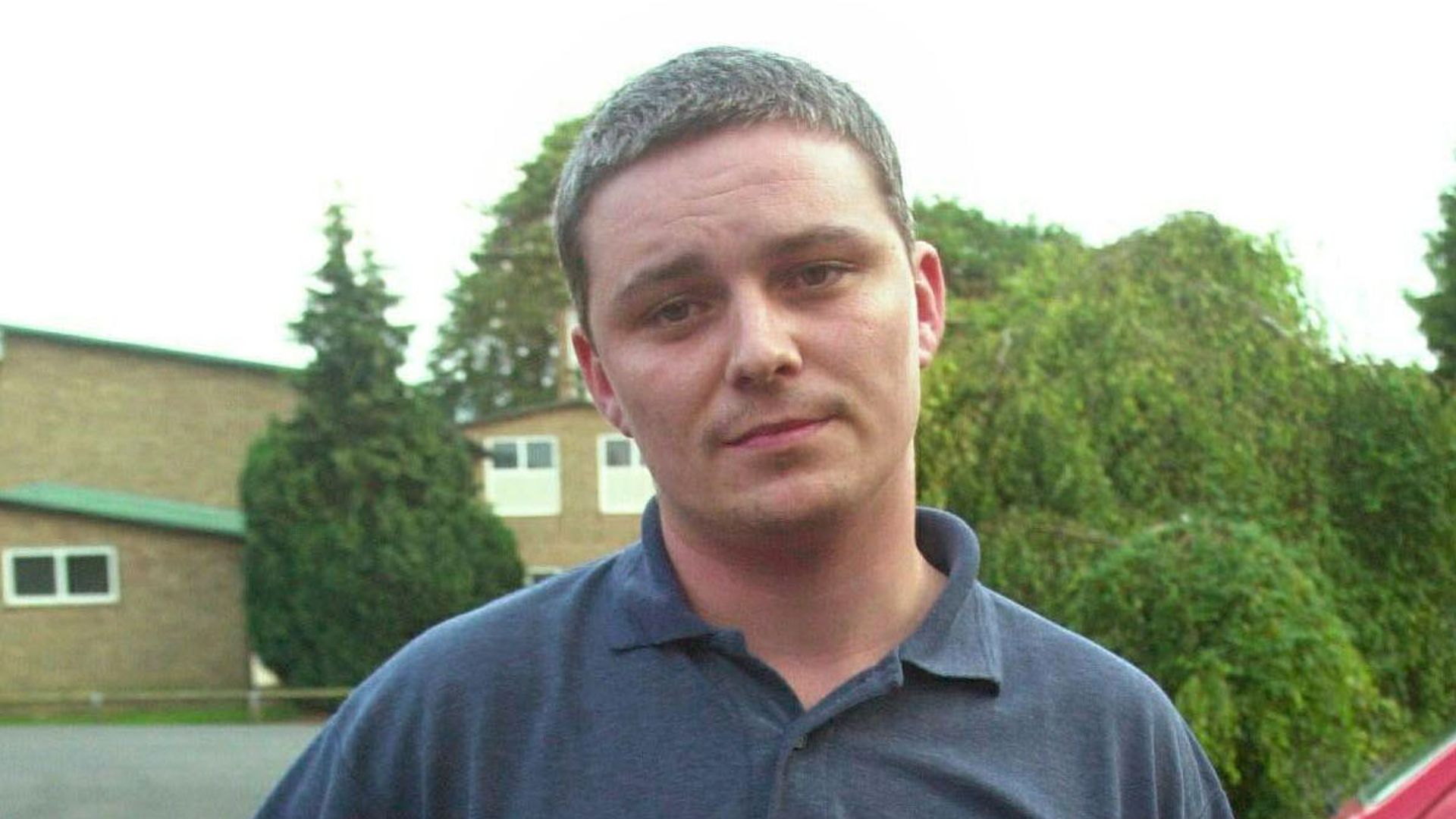
Taxpayers could fund funeral for Soham murderer Ian Huntley
#Ian Huntley #Soham murders #taxpayer funding #funeral costs #life sentence #public debate #criminal justice
📌 Key Takeaways
- Taxpayers may cover funeral costs for Ian Huntley, convicted of murdering two children in Soham.
- Huntley is serving a life sentence for the 2002 murders of Holly Wells and Jessica Chapman.
- The potential funding raises public debate over using public money for a notorious criminal's funeral.
- Authorities are considering options amid legal and ethical implications of state-funded arrangements.
📖 Full Retelling
🏷️ Themes
Public Funding, Criminal Justice
📚 Related People & Topics
Soham murders
2002 murders in Cambridgeshire, England
The Soham murders were a double child murder committed in Soham, Cambridgeshire, England, on 4 August 2002. The victims were two 10-year-old girls, Holly Marie Wells and Jessica Amiee Chapman, who were lured into the home of a local resident and school caretaker, Ian Kevin Huntley, who murdered them...
Entity Intersection Graph
Connections for Soham murders:
View full profileMentioned Entities
Deep Analysis
Why It Matters
This news matters because it raises ethical questions about public funding for individuals convicted of heinous crimes, potentially causing distress to victims' families and the public. It affects taxpayers who may object to their money being used this way, as well as the families of Holly Wells and Jessica Chapman, who could be retraumatized. The issue also touches on broader debates about prisoner rights, state responsibilities, and the allocation of public resources in the justice system.
Context & Background
- Ian Huntley was convicted in 2003 for the murders of 10-year-olds Holly Wells and Jessica Chapman in Soham, Cambridgeshire, in 2002, a case that shocked the UK and led to widespread media coverage.
- Huntley is serving a life sentence with a minimum term of 40 years, currently held in HM Prison Frankland, and has faced previous incidents, including a suicide attempt and attacks by other inmates.
- In the UK, prisoners who die in custody and have no family or means may have their funerals funded by the state under the Public Health (Control of Disease) Act 1984 or local authority provisions, which can include basic arrangements.
- The Soham murders prompted significant changes in UK child protection policies, including the introduction of the Bichard Inquiry and reforms to police vetting procedures for those working with children.
What Happens Next
If Huntley dies in prison with no private funds or family willing to pay, authorities will likely proceed with a taxpayer-funded funeral, possibly drawing public protests or legal challenges. Media coverage may intensify, prompting political discussions on reforming such policies, though no immediate changes are expected. The families of Holly Wells and Jessica Chapman may issue statements or seek privacy, while advocacy groups could campaign for legislative adjustments to prevent similar cases in the future.
Frequently Asked Questions
In the UK, if a prisoner dies with no financial means or family to cover funeral costs, the state may step in under legal obligations to ensure a basic burial or cremation, avoiding public health issues. This applies regardless of the crime, as part of standard procedures for indigent individuals in custody.
While not directly quoted in this article, past statements from the families of Holly Wells and Jessica Chapman have expressed ongoing pain and a desire for privacy. Such news could cause further distress, as they continue to cope with the legacy of the murders decades later.
The government could potentially amend laws to exclude certain criminals from state-funded funerals, but this would require legislative changes and might face legal challenges on human rights grounds. Public pressure might influence policy debates, but current rules likely mandate basic provisions.
State-funded funerals in the UK are minimal, covering only essential expenses like a basic coffin, burial or cremation fees, and transportation, often costing a few hundred pounds. They do not include ceremonies or markers, aiming solely to meet legal and public health requirements.
Yes, similar cases have occurred, such as with serial killer Harold Shipman, whose funeral was reportedly funded by the state after his suicide in prison. This precedent shows that taxpayer funding can apply even to notorious offenders under existing regulations.