
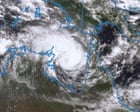
Territorians in path of Tropical Cyclone Narelle told to take cover in bathrooms as storm intensifies
#Tropical Cyclone Narelle #Territorians #take cover #bathrooms #storm intensifies #safety warnings #emergency preparedness
📌 Key Takeaways
- Residents in the path of Tropical Cyclone Narelle are advised to take cover in bathrooms for safety.
- The storm is intensifying, increasing the risk to affected areas.
- Authorities are issuing urgent warnings to Territorians in the cyclone's trajectory.
- Preparedness measures are being emphasized as the cyclone strengthens.
📖 Full Retelling
🏷️ Themes
Cyclone Safety, Emergency Response
Entity Intersection Graph
No entity connections available yet for this article.
Deep Analysis
Why It Matters
This news is critically important because it involves immediate threats to human life and property from a rapidly intensifying tropical cyclone. It affects residents in the Northern Territory who face potential destruction of homes, infrastructure damage, and life-threatening conditions from high winds and flooding. Emergency services and government agencies must coordinate evacuations and disaster response, while the broader community faces disruptions to transportation, utilities, and essential services. The situation requires urgent public compliance with safety instructions to prevent casualties.
Context & Background
- The Northern Territory experiences regular tropical cyclones during the Australian cyclone season (November to April), with historical storms causing significant damage
- Australia's Bureau of Meteorology has a cyclone warning system with categories 1-5 based on wind speed, with Category 3+ considered severe
- Previous major cyclones in the region include Cyclone Tracy (1974) which devastated Darwin, killing 71 people and destroying most of the city
- Remote communities in the Territory are particularly vulnerable due to limited infrastructure and evacuation routes
- Climate change research suggests tropical cyclones may be intensifying more rapidly in warming oceans
What Happens Next
Emergency services will continue monitoring the cyclone's path and intensity, issuing updated warnings every few hours. Residents will likely experience power outages, road closures, and communication disruptions as the storm makes landfall within 24-48 hours. Recovery operations will begin immediately after the cyclone passes, with damage assessments, restoration of essential services, and potential deployment of Australian Defense Force personnel for assistance. The Bureau of Meteorology will provide all-clear notifications when it's safe to leave shelter.
Frequently Asked Questions
Bathrooms are often the most structurally secure rooms in homes, with reinforced plumbing walls and no windows in many designs, providing protection from flying debris and structural collapse. They're typically located in the center of houses, away from external walls that might fail during extreme winds.
Residents should immediately move to the strongest part of their home, preferably a bathroom or interior hallway, away from windows. They should have emergency supplies including water, medications, flashlight, battery-powered radio, and important documents, and stay informed through official warnings until given all-clear instructions.
While specific comparisons require current intensity data, the 'take cover' warning suggests similar severity to historical Category 3+ cyclones. Each cyclone has unique characteristics, but emergency procedures are based on lessons from past events like Cyclone Tracy, which led to improved building codes and warning systems.
Coastal communities in the cyclone's direct path face the highest risk of storm surge flooding and destructive winds. Low-lying areas, mobile homes, and older buildings are particularly vulnerable, while remote indigenous communities may have limited access to emergency services and evacuation routes.
The most dangerous period typically lasts several hours as the eye wall passes, with extreme winds potentially continuing for 6-12 hours. However, flooding risks may persist for days after the cyclone passes due to heavy rainfall and storm surge, requiring continued caution even when winds diminish.