
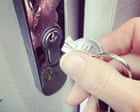
The £49 ‘driller killer’: steps to avoid locksmith scams
#locksmith scams #driller killer #fraud prevention #home security #consumer protection
📌 Key Takeaways
- Scammers pose as locksmiths, charging high fees after low initial quotes.
- A common tactic is the 'driller killer', where they drill locks unnecessarily for extra cost.
- Consumers should verify locksmith credentials and get written quotes before work begins.
- Researching local locksmiths and checking reviews can help avoid fraudulent services.
📖 Full Retelling
🏷️ Themes
Consumer Scams, Home Security
Entity Intersection Graph
No entity connections available yet for this article.
Deep Analysis
Why It Matters
This news matters because locksmith scams directly impact vulnerable consumers during emergency situations when they're locked out of their homes or vehicles. These scams can lead to financial exploitation, property damage from unnecessary drilling, and safety concerns when unqualified individuals gain access to homes. The article provides practical protection for the general public while highlighting regulatory gaps in an industry that often operates during high-stress moments when people are most susceptible to manipulation.
Context & Background
- Locksmith scams have proliferated with the rise of online directories and search engine advertising where fake companies dominate results
- The '£49 driller killer' refers to a common bait-and-switch tactic where locksmiths advertise low fixed prices then claim complications require expensive drilling
- Many countries lack proper licensing requirements for locksmiths, making it difficult for consumers to verify qualifications
- Emergency lockout situations create time pressure that scammers exploit to bypass normal consumer caution
- The locksmith industry has historically had issues with price transparency and standardized pricing structures
What Happens Next
Consumer protection agencies will likely increase warnings about locksmith scams ahead of peak seasons like holidays and summer months. Regulatory bodies may propose licensing requirements or certification programs for locksmiths. Technology companies might face pressure to verify locksmith advertisements on their platforms. Local communities may establish verified locksmith referral programs through police departments or neighborhood associations.
Frequently Asked Questions
It's a bait-and-switch tactic where locksmiths advertise a fixed £49 service fee online, then arrive and claim the lock requires drilling at significantly higher costs, often hundreds of pounds more than quoted.
Check for physical business addresses (not just PO boxes), ask for identification and proof of insurance, verify membership in trade associations like the Master Locksmiths Association, and get written estimates before work begins.
Document everything including advertisements, quotes, and final bills, then report to consumer protection agencies, trading standards, and potentially local police if you feel threatened or coerced into payment.
Yes - be wary of companies that only list 0800 numbers without local addresses, refuse to provide business names, give vague answers about pricing, or have numerous similar business names in search results.
Most police departments avoid endorsing specific businesses due to liability concerns and anti-corruption policies, though some may provide general guidance or refer to certified trade associations.
Yes - maintain spare keys with trusted neighbors or family, consider smart locks with backup access methods, regularly service existing locks, and establish relationships with reputable locksmiths before emergencies occur.