
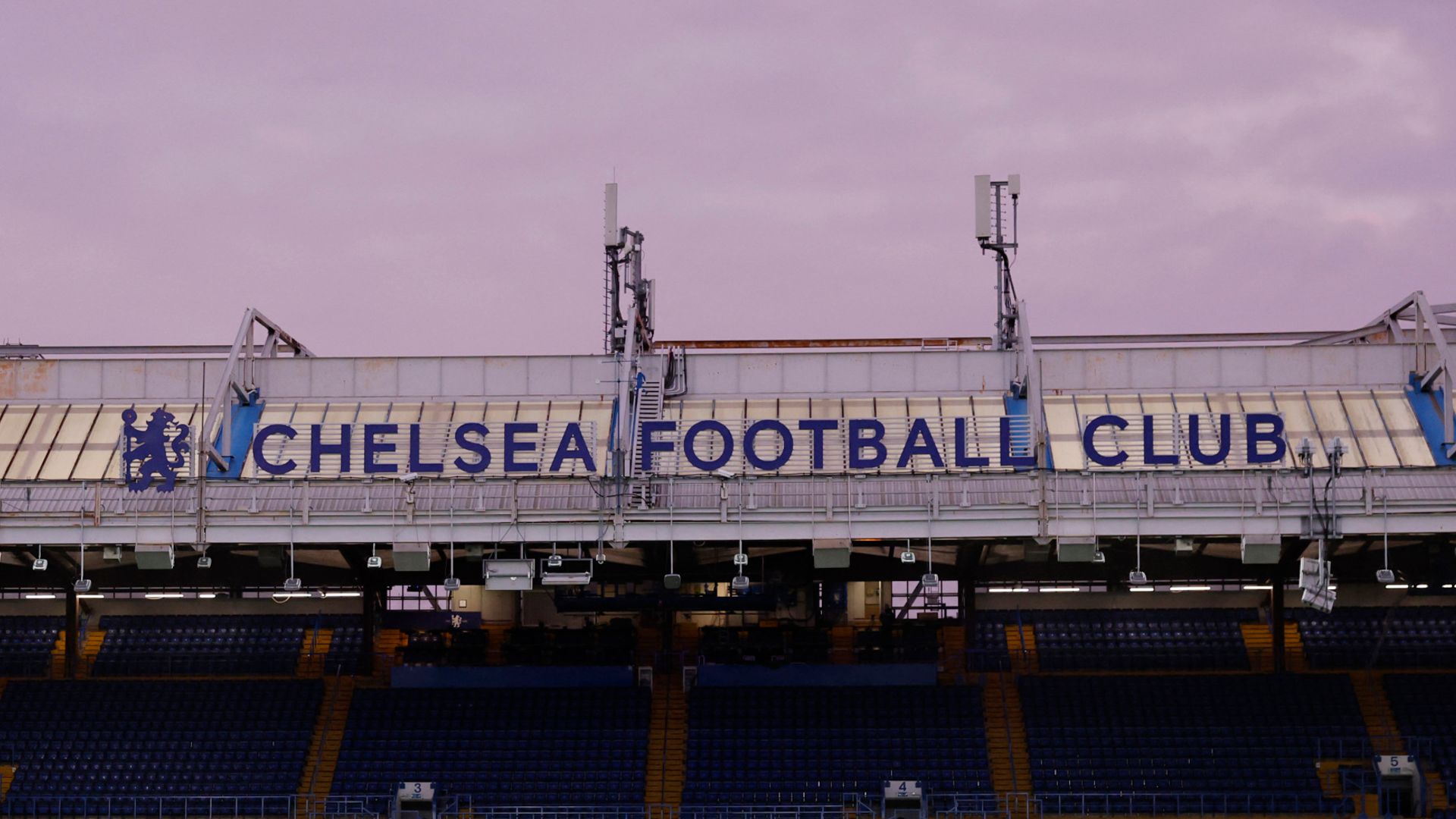
The football world waits for Man City verdict after Chelsea fined for 'deception' of Abramovich era
#Chelsea #Manchester City #Premier League #financial rules #Roman Abramovich #FFP #football governance
📌 Key Takeaways
- Chelsea fined for financial rule breaches during Roman Abramovich's ownership
- Premier League investigating Manchester City over similar financial allegations
- Case highlights increased scrutiny on club finances and fair play regulations
- Outcome could set precedent for future financial misconduct penalties in football
📖 Full Retelling
🏷️ Themes
Financial Fair Play, Club Investigations
📚 Related People & Topics
Manchester City F.C.
Association football club in England
Manchester City Football Club is a professional football club based in Manchester, England, that competes in the Premier League, the top flight of English football. Founded in 1880 as St. Mark's (West Gorton), they became Ardwick Association Football Club in 1887 and Manchester City in 1894.
Entity Intersection Graph
Connections for Manchester City F.C.:
Mentioned Entities
Deep Analysis
Why It Matters
This news matters because it highlights ongoing financial regulation enforcement in European football that could reshape competitive balance. Chelsea's fine for financial deception during the Roman Abramovich era sets a precedent that affects all elite clubs, particularly Manchester City whose pending verdict could involve far more severe consequences including potential points deductions or relegation. The outcomes will influence how clubs manage finances under UEFA and Premier League Financial Fair Play rules, potentially leveling the playing field between state-backed clubs and traditionally funded teams. This affects players, fans, investors, and the entire football ecosystem's integrity.
Context & Background
- Financial Fair Play (FFP) regulations were introduced by UEFA in 2011 to prevent clubs from spending beyond their means and creating unsustainable financial imbalances
- Manchester City has faced 115 Premier League charges for alleged financial rule breaches spanning from 2009 to 2018, with the case being investigated for five years
- Chelsea self-reported financial irregularities from the Abramovich era (2003-2022) to regulators, leading to their recent £8.6 million fine for incomplete financial reporting
- Roman Abramovich's 19-year ownership of Chelsea transformed the club into a European powerhouse but involved controversial funding methods now under scrutiny
- Previous FFP cases include Paris Saint-Germain's 2018 settlement and Manchester City's 2020 UEFA ban that was overturned by the Court of Arbitration for Sport
What Happens Next
The Premier League's independent commission will deliver its verdict on Manchester City's 115 charges, potentially before the 2024-25 season begins, with possible outcomes ranging from fines to points deductions or even relegation. Other clubs may face renewed scrutiny of historical finances, especially those with state ownership models. UEFA will likely strengthen monitoring systems, and football governing bodies may push for stricter ownership transparency regulations across European leagues.
Frequently Asked Questions
Chelsea was fined £8.6 million for incomplete financial reporting during Roman Abramovich's ownership, specifically for payments made through offshore companies that weren't properly documented in the club's accounts. The club self-reported these violations to UEFA and Premier League authorities after the new ownership group discovered them during due diligence.
Manchester City faces 115 separate charges covering nine seasons of alleged rule breaches, including failing to provide accurate financial information and not cooperating with investigations. Unlike Chelsea's self-reported violations, City's case involves prolonged alleged deception and non-cooperation, potentially warranting more severe sanctions beyond financial penalties.
If major clubs face points deductions or transfer restrictions, it could temporarily weaken dominant teams and create opportunities for traditionally smaller clubs. However, long-term effects depend on whether regulations are consistently enforced across all clubs, potentially discouraging excessive spending by wealthy owners seeking quick success through financial doping.
Possible sanctions range from heavy fines and transfer bans to points deductions that could affect league position, or in extreme scenarios, relegation to lower divisions. The club would likely appeal any severe punishment through football's judicial system and potentially civil courts, prolonging the resolution process.
While not facing charges on City's scale, several clubs including Everton and Nottingham Forest have faced recent FFP scrutiny. The Chelsea settlement may prompt regulators to examine other clubs' historical finances, particularly those with sudden transformation under wealthy owners during the pre-FFP era or with complex ownership structures.