
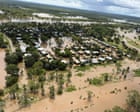
The scale of northern Australia’s record-breaking floods revealed in data and maps
#floods #northern Australia #record-breaking #satellite data #maps #climate #rainfall #inundation
📌 Key Takeaways
- Northern Australia experienced record-breaking floods, with unprecedented water levels and widespread inundation.
- Satellite data and maps illustrate the extensive geographic impact across multiple regions.
- The floods have caused significant damage to infrastructure, agriculture, and communities.
- Climate patterns, including heavy rainfall events, contributed to the severity of the flooding.
📖 Full Retelling
🏷️ Themes
Natural Disasters, Climate Impact
Entity Intersection Graph
No entity connections available yet for this article.
Deep Analysis
Why It Matters
These record-breaking floods in northern Australia demonstrate the increasing severity of extreme weather events linked to climate change, affecting thousands of residents through displacement, property damage, and economic losses. The agricultural sector suffers significant crop and livestock losses, impacting food supply chains and regional economies. Indigenous communities face particular vulnerability due to remote locations and limited infrastructure, while emergency services are stretched thin responding to widespread devastation across multiple regions.
Context & Background
- Northern Australia experiences annual wet seasons from November to April, but climate change has intensified rainfall patterns in recent decades
- The region has experienced major flooding events before, including the 2019 Townsville floods that caused $1.2 billion in damage
- Northern Australia's geography includes vast floodplains and seasonal rivers that naturally flood but have seen increased development in vulnerable areas
- Australia's Bureau of Meteorology has documented rising trends in extreme rainfall events across northern regions since the 1970s
What Happens Next
Emergency response and recovery efforts will continue for weeks, with damage assessments determining federal disaster funding allocations. Agricultural recovery will take months as farmers replant crops and rebuild livestock herds. Infrastructure repairs to roads, bridges, and utilities may extend into 2025, while climate scientists will analyze this event to refine flood modeling and future risk projections for the region.
Frequently Asked Questions
The floods primarily impacted Queensland's Gulf Country and parts of the Northern Territory, with major river systems including the Flinders, Norman, and Gilbert Rivers exceeding previous flood records by significant margins.
These floods set new records in multiple river gauges, with some areas experiencing water levels 20-30% higher than previous historic floods. The spatial extent of flooding also exceeded previous major events from 2019 and earlier decades.
A combination of factors including an unusually active monsoon trough, above-average sea surface temperatures in adjacent oceans, and climate change influences that increase atmospheric moisture capacity and rainfall intensity during extreme weather events.
Remote Indigenous communities face particular challenges with limited road access, evacuation difficulties, and damage to essential services. Many communities rely on air transport during floods, creating logistical and cost burdens for supplies and medical needs.
The floods will cause significant losses in cattle stations and cropping enterprises, disrupt mining and transport operations, and require substantial government expenditure on recovery and infrastructure rebuilding across the affected regions.