
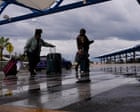
Thousands of flights canceled as winter storm marches across US
#flights #canceled #winter storm #travel #weather #aviation #disruption
📌 Key Takeaways
- A major winter storm is causing widespread flight cancellations across the United States.
- The storm is actively moving and affecting multiple regions.
- The disruption has impacted thousands of flights, indicating significant travel chaos.
- The cancellations are a direct result of severe winter weather conditions.
📖 Full Retelling
🏷️ Themes
Travel Disruption, Severe Weather
Entity Intersection Graph
No entity connections available yet for this article.
Deep Analysis
Why It Matters
This news matters because it disrupts travel for hundreds of thousands of passengers during a peak holiday season, causing significant economic losses for airlines and airports while creating safety risks for those attempting to travel in dangerous conditions. It affects holiday travelers trying to reach family destinations, business travelers with time-sensitive commitments, and airline employees who must manage operational chaos. The cascading effects also impact hotels, rental car companies, and tourism-dependent businesses at affected destinations.
Context & Background
- Winter storms regularly cause major U.S. flight disruptions, with the 'bomb cyclone' of December 2022 canceling over 15,000 flights during the holiday period
- The U.S. aviation system operates with minimal slack, meaning cancellations in one region quickly cascade nationwide due to aircraft and crew displacement
- Airlines have implemented more flexible rebooking policies since the pandemic, but mass cancellations still overwhelm customer service systems
- Major hubs like Chicago O'Hare, Denver, and Dallas/Fort Worth are particularly vulnerable to winter weather disruptions due to their geographic locations and high traffic volumes
What Happens Next
Travelers should expect continued cancellations and delays for 24-48 hours after the storm passes as airlines reposition aircraft and crews. Airlines will likely issue travel waivers allowing free rebooking for affected dates, and airports will face crowded conditions as stranded passengers seek alternatives. The Department of Transportation will monitor airline compliance with customer service commitments regarding refunds and accommodations.
Frequently Asked Questions
Unlike cancellations within airline control, weather-related cancellations don't require compensation, but airlines must provide refunds for canceled flights or rebooking on the next available flight. Some airlines may offer hotel vouchers or meal credits during extended delays, but this varies by carrier policy.
Recovery usually takes 2-3 days as airlines work to reposition aircraft and crews that were stranded out of position. The most severe impacts occur immediately during the storm, but ripple effects continue as the system works to return to normal scheduling.
Airlines with major hubs in storm-affected regions (like United in Chicago, Southwest in Denver, or American in Dallas) typically experience the most cancellations. Airports in the storm's path and connecting hubs that receive displaced aircraft see the greatest operational impacts.
Proactive rebooking through airline apps or websites is recommended, as wait times for customer service can exceed hours during mass cancellations. However, travelers should check their airline's specific waiver policy first, as self-service changes might incur fees without proper waiver application.