
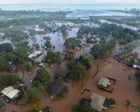
Thousands ordered to evacuate as Hawaii hit by severe flash floods
#Hawaii #flash floods #evacuation #severe weather #emergency #disaster #safety
📌 Key Takeaways
- Thousands of residents in Hawaii have been ordered to evacuate due to severe flash flooding.
- The flash floods are causing significant disruption and posing immediate safety risks.
- Emergency services are actively responding to the situation to assist affected communities.
- The severity of the flooding has prompted urgent evacuation measures to protect lives.
📖 Full Retelling
🏷️ Themes
Natural Disaster, Emergency Response
📚 Related People & Topics

Hawaii
U.S. state
Hawaii ( hə-WY-ee; Hawaiian: Hawaiʻi [həˈvɐjʔi, həˈwɐjʔi]) is an island state of the United States, in the Pacific Ocean about 2,000 miles (3,200 km) southwest of the U.S. mainland. One of the two non-contiguous U.S. states (along with Alaska), it is the only state not on the North American mainlan...
Entity Intersection Graph
Connections for Hawaii:
Mentioned Entities
Deep Analysis
Why It Matters
This evacuation order affects thousands of residents and tourists in Hawaii, disrupting lives and local economies while straining emergency resources. Severe flash floods pose immediate dangers including drowning, property damage, and infrastructure collapse. The situation highlights Hawaii's vulnerability to extreme weather events, which are becoming more frequent due to climate change patterns affecting Pacific island communities.
Context & Background
- Hawaii's mountainous terrain and volcanic soil make it particularly susceptible to rapid runoff and flash flooding during heavy rainfall
- The state has experienced increasing extreme weather events in recent years, including record-breaking rainfall and flooding incidents
- Hawaii's emergency management systems were heavily criticized following the 2018 false missile alert incident, leading to reforms in public warning systems
- Flash flooding is the leading cause of weather-related deaths in the United States according to National Weather Service data
- Hawaii's infrastructure faces unique challenges due to its island geography, making evacuation and emergency response more complex than mainland locations
What Happens Next
Emergency responders will conduct search and rescue operations while damage assessments begin within 24-48 hours. The National Weather Service will continue monitoring weather patterns for additional rainfall threats. Local officials will likely declare a state of emergency to access federal disaster relief funds through FEMA. Tourism authorities may issue travel advisories affecting the state's vital visitor industry in coming days.
Frequently Asked Questions
Flash floods in Hawaii typically result from intense rainfall over saturated ground or steep terrain, where water accumulates rapidly with little absorption. The state's volcanic soil has limited water retention capacity, and mountainous areas channel water quickly into valleys and low-lying regions.
Local emergency management officials issue evacuation orders through multiple channels including emergency alerts, social media, and traditional media. These are typically mandatory for high-risk zones and voluntary for adjacent areas, with designated shelters opening in safer locations.
Residents should immediately move to higher ground, avoid crossing flooded roads or streams, and follow official evacuation instructions. They should prepare emergency kits with essentials for 72 hours and monitor weather updates through official channels.
Flash floods disrupt tourism through closed attractions, transportation interruptions, and potential travel advisories. The industry may see cancellations and reduced visitor spending, impacting hotels, tours, and local businesses that depend on tourist revenue.
Yes, climate data shows increasing frequency of extreme rainfall events in Hawaii, with scientists linking this trend to warming ocean temperatures and changing atmospheric patterns. The state has experienced several record-breaking flood events in the past decade.