
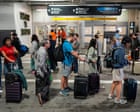
Travelers face long waits at some US airports amid DHS shutdown
#travelers #airports #DHS shutdown #long waits #security screening #delays #U.S. airports #congestion
📌 Key Takeaways
- Travelers are experiencing long wait times at some U.S. airports due to a DHS shutdown.
- The shutdown is impacting airport operations and security screening processes.
- The situation is causing disruptions and delays for passengers across the country.
- The DHS shutdown is the primary cause of the increased congestion and extended waiting periods.
📖 Full Retelling
🏷️ Themes
Airport Delays, Government Shutdown
Entity Intersection Graph
No entity connections available yet for this article.
Deep Analysis
Why It Matters
This news matters because it directly impacts millions of travelers who rely on efficient airport security screening for business and personal travel. The DHS shutdown disrupts critical transportation infrastructure, potentially causing missed flights, business disruptions, and economic losses. It affects not only travelers but also airlines, airport businesses, and the broader travel industry that depends on smooth airport operations.
Context & Background
- The Department of Homeland Security (DHS) oversees Transportation Security Administration (TSA) operations at U.S. airports
- Government shutdowns typically occur when Congress fails to pass appropriations bills to fund federal agencies
- Previous government shutdowns have led to TSA employee furloughs and reduced staffing at security checkpoints
- Airport security wait times are a persistent concern even during normal operations at major U.S. airports
What Happens Next
If the shutdown continues, wait times will likely worsen as TSA employees may call out sick or seek other employment. Congress will face increasing pressure to pass funding bills, potentially leading to emergency measures or temporary funding extensions. Airlines may issue travel advisories and recommend earlier airport arrivals, while affected airports might implement contingency plans to manage passenger flow.
Frequently Asked Questions
The DHS oversees TSA operations, and during shutdowns, many TSA employees are furloughed or work without pay, leading to staffing shortages that slow security screening processes.
Major international hubs like Atlanta, Los Angeles, Chicago O'Hare, and New York airports typically experience the longest delays during shutdowns due to higher passenger volumes and complex security operations.
Travelers should arrive at least 3 hours before domestic flights and 4 hours before international flights, enroll in TSA PreCheck or Global Entry programs, and monitor airport websites for real-time wait time updates.
TSA employees are considered essential personnel and must work during shutdowns, but they don't receive paychecks until funding is restored, which can lead to increased absenteeism and morale issues.
Shutdowns end when Congress passes and the President signs appropriations bills to fund the affected agencies, often following political negotiations and public pressure over service disruptions.