
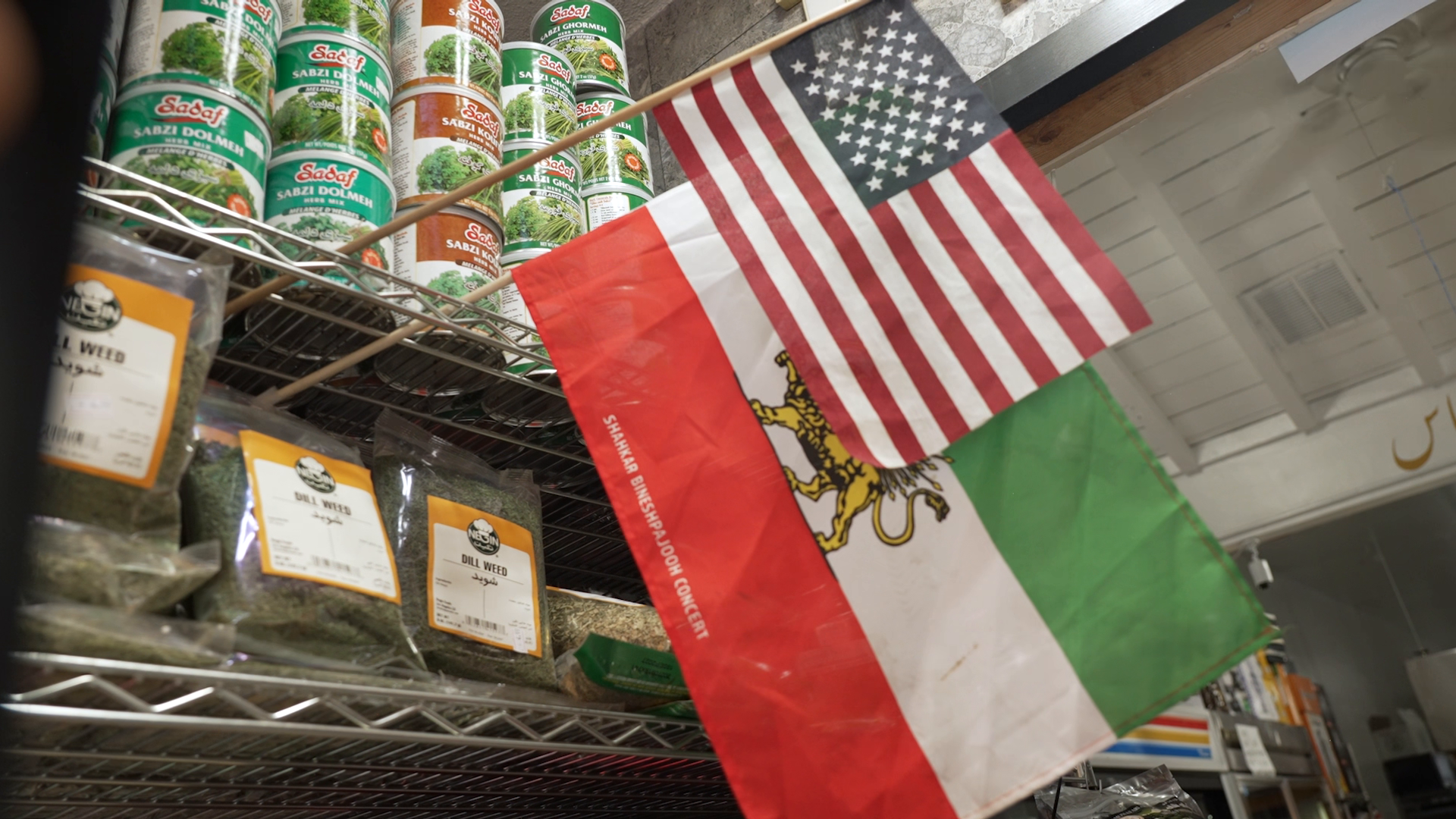
'Trump is doing a favour for humanity': Hopes and fears of LA's Iranian community
#Trump #Iranian community #Los Angeles #diaspora #foreign policy #regime change #immigrant fears
📌 Key Takeaways
- Some members of LA's Iranian community view Trump's policies favorably, seeing them as a 'favor for humanity' against the Iranian regime.
- The community expresses a mix of hope for political change in Iran and fear of repercussions for family still in the country.
- Perspectives are divided, reflecting the diaspora's complex relationship with both US foreign policy and Iran's government.
- The article highlights the personal and political tensions within immigrant communities regarding international affairs.
📖 Full Retelling
🏷️ Themes
Diaspora Politics, US-Iran Relations
📚 Related People & Topics
Los Angeles
Most populous city in California, U.S.
Los Angeles (often referred to by its initials, LA) is the most populous city in the U.S. state of California, and the commercial, financial, and cultural center of Southern California. With an estimated 3.88 million residents within the city limits as of 2024, it is the second-most populous city in...

Donald Trump
President of the United States (2017–2021; since 2025)
Donald John Trump (born June 14, 1946) is an American politician, media personality, and businessman who is the 47th president of the United States. A member of the Republican Party, he served as the 45th president from 2017 to 2021. Born into a wealthy New York City family, Trump graduated from the...
Entity Intersection Graph
Connections for Los Angeles:
Mentioned Entities
Deep Analysis
Why It Matters
This news matters because it reveals how U.S. foreign policy decisions directly impact diaspora communities, creating complex emotional responses among immigrants who maintain ties to their home countries. It affects Iranian-Americans who experience divided loyalties between their adopted homeland and their cultural roots, particularly those with family still in Iran. The article highlights how political rhetoric can both empower and alienate immigrant communities, influencing their sense of belonging and political engagement. This dynamic is crucial for understanding how international conflicts play out in domestic multicultural societies.
Context & Background
- The U.S. and Iran have had hostile relations since the 1979 Iranian Revolution and subsequent hostage crisis at the U.S. embassy in Tehran
- Los Angeles has one of the largest Iranian diaspora communities outside Iran, often called 'Tehrangeles', with estimates ranging from 300,000 to 500,000 people
- The Trump administration withdrew from the Iran nuclear deal (JCPOA) in 2018 and implemented a 'maximum pressure' campaign of sanctions against Iran
- Iranian-Americans are a politically diverse community with varying views on U.S.-Iran relations and the Iranian government
- Previous U.S. administrations have taken different approaches to Iran, from Obama's diplomatic engagement to Trump's confrontational stance
What Happens Next
The Iranian-American community will likely become more politically active ahead of the 2024 U.S. elections, with increased lobbying efforts on Iran policy. Community organizations may organize more forums and discussions about U.S.-Iran relations. The Biden administration will face continued pressure from both pro-engagement and pro-pressure factions within the diaspora. Future U.S. presidential candidates will need to address Iran policy as it affects both international relations and domestic immigrant communities.
Frequently Asked Questions
Some Iranian-Americans, particularly those who fled the Islamic Republic, view Trump's pressure campaign as necessary to weaken a government they oppose. They believe economic sanctions and diplomatic isolation could lead to political change in Iran. These individuals often prioritize human rights and democracy concerns over the economic hardship sanctions cause ordinary Iranians.
U.S.-Iran tensions can lead to increased scrutiny of Iranian-Americans by security agencies and potential discrimination. Financial restrictions make it difficult to send money to family in Iran or conduct business with Iranian entities. The political climate also creates social divisions within the community between those supporting engagement versus confrontation with Iran.
LA's large Iranian diaspora serves as an important cultural and political bridge between the two countries. Community leaders often advocate for specific policies and provide insights about Iranian society to U.S. officials. The community's diversity reflects the complexity of Iranian politics, with members representing various ethnic, religious, and political backgrounds from Iran.
Biden has signaled interest in returning to diplomacy and potentially rejoining the nuclear deal, which many Iranian-Americans support as a way to reduce tensions. His administration would likely engage more with diaspora community leaders and consider humanitarian exceptions to sanctions. However, Biden still faces pressure to address Iran's regional activities and human rights record, creating continued policy challenges.