
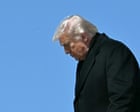
Trump is eager to disclose details on others’ health – but not his own
#Trump #health disclosure #congressman #terminal diagnosis #privacy #political transparency #double standard #rash
📌 Key Takeaways
- Trump revealed a congressman's terminal diagnosis
- Trump maintains secrecy about his own health issues
- This includes a recent rash Trump has not fully disclosed details about
- There appears to be a double standard in how Trump handles health information
📖 Full Retelling
🏷️ Themes
Health transparency, Political hypocrisy, Privacy standards
📚 Related People & Topics

Donald Trump
President of the United States (2017–2021; since 2025)
Donald John Trump (born June 14, 1946) is an American politician, media personality, and businessman who is the 47th president of the United States. A member of the Republican Party, he served as the 45th president from 2017 to 2021. Born into a wealthy New York City family, Trump graduated from the...
Entity Intersection Graph
Connections for Donald Trump:
Mentioned Entities
Deep Analysis
Why It Matters
This news highlights a concerning double standard in presidential transparency that affects public trust and democratic accountability. Trump's willingness to disclose others' health information while maintaining secrecy about his own medical conditions undermines his credibility on health-related matters. This inconsistency could set precedents for how future presidents handle health disclosures and impacts the public's right to information about their leaders' fitness for office.
Context & Background
- Presidential health transparency has been a long-standing tradition in American politics, with candidates typically releasing detailed medical records to reassure voters about their fitness for office
- Trump has faced previous scrutiny regarding his health disclosures, including during his presidency when his medical team released limited information
- The Health Insurance Portability and Accountability Act (HIPAA) protects patient privacy but has limitations when public figures voluntarily disclose health information
- Presidents like Ronald Reagan and Joe Biden have been transparent about significant health issues, setting different precedents for presidential health communication
- Trump has a history of commenting on the health of political opponents and other public figures, sometimes without their consent
What Happens Next
Trump will likely face increased pressure from media and political opponents for more disclosure about his recent unexplained rash. The issue may escalate if his health becomes a topic in political campaigns or if there are further questions about his fitness for office. This could lead to a broader debate about presidential health transparency standards and potentially influence how future candidates approach health disclosures.
Frequently Asked Questions
Trump revealed details about a congressman's terminal diagnosis during a press briefing on February 17, 2026, information that was not previously widely known to the public.
Trump has declined to fully address his recent bout with an unexplained rash that prompted questions during a public appearance, maintaining limited transparency about his own medical conditions.
Critics question why the president expects openness from others while withholding similar information about himself, creating what appears to be a double standard that undermines his credibility on health-related matters.
The inconsistency has drawn criticism from political opponents and health transparency advocates, potentially straining his relationship with the press and public, and could lead to increased skepticism about his administration's communications.
While there are no specific legal mandates requiring presidential health disclosures, there are strong traditions and expectations for transparency to reassure the public about the president's fitness for office.
Trump's approach may encourage future presidents to be more selective about what health information they share, potentially reducing transparency standards and normalizing selective disclosure practices in presidential communications.