
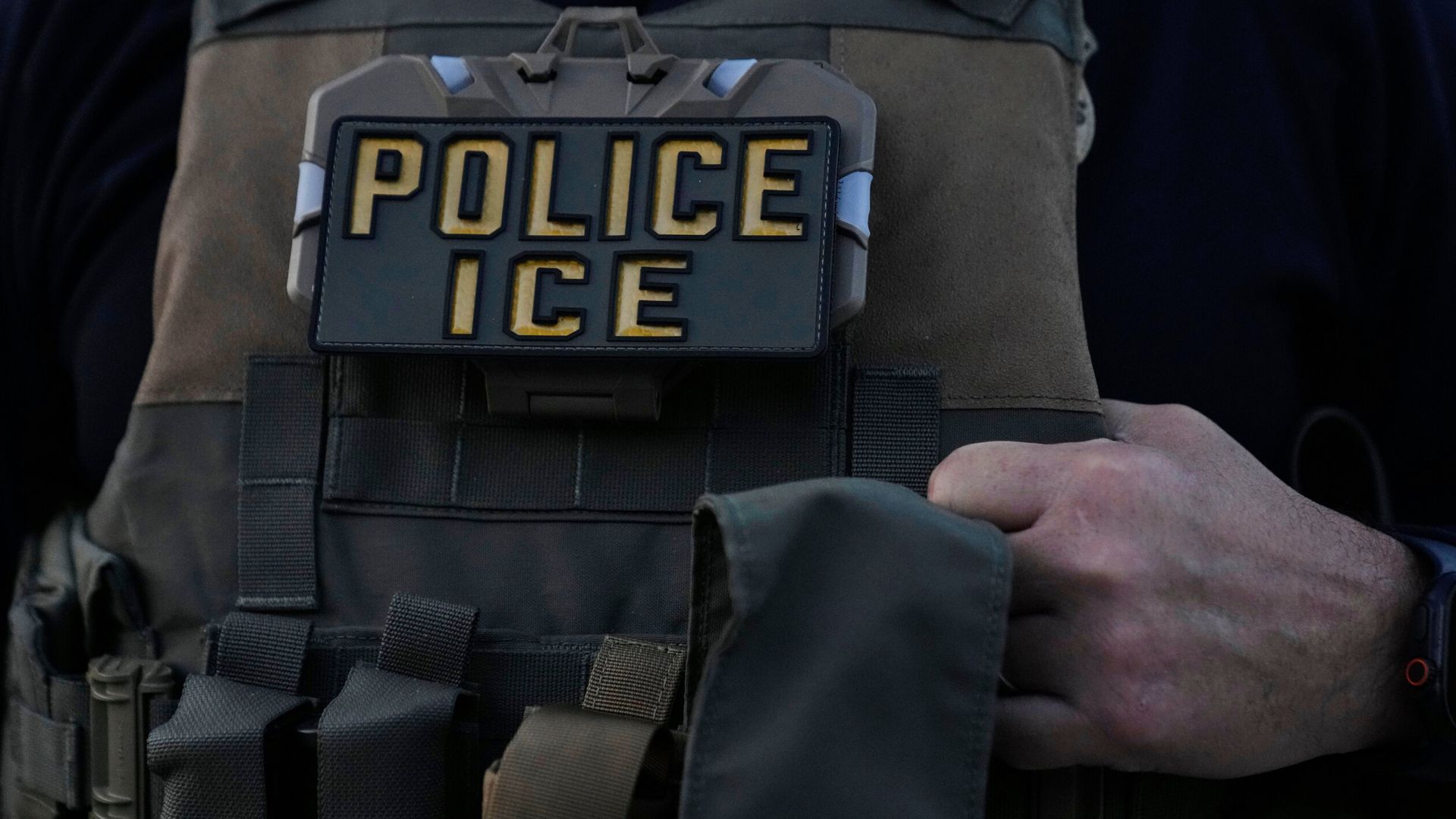
Trump orders ICE agents into airports to arrest 'all illegal immigrants'
#Trump #ICE #airports #illegal immigrants #arrests #immigration enforcement #directive
📌 Key Takeaways
- President Trump has ordered ICE agents to be deployed to airports nationwide.
- The directive aims to arrest all individuals identified as illegal immigrants at these locations.
- This action represents a significant escalation in immigration enforcement efforts.
- Airports are now focal points for immediate immigration law enforcement.
📖 Full Retelling
🏷️ Themes
Immigration Enforcement, Government Policy
Entity Intersection Graph
No entity connections available yet for this article.
Deep Analysis
Why It Matters
This directive represents a significant escalation in immigration enforcement that could affect thousands of travelers and families, potentially disrupting airport operations nationwide. It impacts both undocumented immigrants and legal residents who might face increased scrutiny or mistaken identity issues during travel. The order raises serious civil liberties concerns about warrantless searches and racial profiling at transportation hubs. This policy shift could strain diplomatic relations with countries whose citizens are detained and create logistical challenges for airlines and airport authorities.
Context & Background
- ICE (Immigration and Customs Enforcement) is the primary federal agency responsible for immigration enforcement and customs investigations
- Previous administrations have generally avoided large-scale enforcement actions at airports due to operational complexities and public relations concerns
- Airports are considered 'sensitive locations' where ICE has traditionally exercised restraint in enforcement actions
- The Trump administration previously implemented travel bans targeting several Muslim-majority countries in 2017
- Airport arrests of immigrants have typically been limited to specific individuals with outstanding deportation orders or criminal records
What Happens Next
Airports will likely experience operational disruptions as ICE agents conduct screenings, potentially leading to flight delays and increased security wait times. Legal challenges are expected within days from civil rights organizations arguing the policy violates Fourth Amendment protections against unreasonable searches. Congressional hearings may be scheduled within weeks to examine the policy's implementation and constitutional implications. International airlines may issue travel advisories warning passengers about potential immigration enforcement at U.S. airports.
Frequently Asked Questions
ICE agents have broad authority to question individuals about immigration status in public spaces, but warrantless arrests typically require probable cause of immigration violations. Legal experts debate whether airports qualify as areas where reasonable suspicion of illegal presence justifies detention.
Legal residents and citizens may experience increased document checks and longer processing times, though they cannot be detained for immigration violations. There are concerns about mistaken identity cases where citizens are wrongfully detained due to database errors or similar names.
Travelers have the right to remain silent and request an attorney, though they must provide identification if asked. It's advisable to carry proper documentation and know basic rights, including the right to refuse consent to search electronic devices without a warrant.
While the order suggests nationwide implementation, practical limitations mean major international airports will likely be prioritized. Smaller regional airports may see less immediate enforcement due to resource constraints and lower numbers of international arrivals.
Airlines are caught between compliance with federal directives and customer service concerns, potentially facing liability for passengers denied boarding. Major carriers are consulting legal teams about their obligations while preparing staff for potential disruptions to operations.