
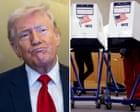
Trump threatens not to sign any bills until Congress approves strict voter ID act
#Trump #voter ID #Congress #veto #election integrity #legislation #voting rights
📌 Key Takeaways
- Trump threatens to veto all legislation until Congress passes a strict voter ID law.
- The demand ties legislative progress to election security measures.
- This move could stall government funding and other pending bills.
- The threat escalates tensions over voting rights and election integrity debates.
📖 Full Retelling
🏷️ Themes
Election Security, Political Stalemate
Entity Intersection Graph
No entity connections available yet for this article.
Deep Analysis
Why It Matters
This threat represents a significant escalation in the voting rights debate that could paralyze legislative activity and government funding. It directly affects Congress's ability to pass essential legislation including budget bills, potentially risking government shutdowns. The move intensifies partisan tensions over election security versus voting access, with implications for millions of American voters who may face new identification requirements. This strategy also tests constitutional separation of powers by using presidential signing authority as leverage for specific policy demands.
Context & Background
- The voter ID debate has been ongoing for decades, with Republicans generally advocating for stricter requirements to prevent fraud and Democrats arguing such laws disproportionately affect minority, elderly, and low-income voters.
- The 2013 Supreme Court decision in Shelby County v. Holder weakened the Voting Rights Act's preclearance requirements, leading many states to implement new voting restrictions.
- Trump has repeatedly made unsubstantiated claims about widespread voter fraud since the 2016 election, despite numerous studies showing voter fraud is extremely rare in U.S. elections.
- Presidents have historically used signing statements and veto threats to influence legislation, but threatening to block all legislation until a specific bill passes is an unusually broad tactic.
- Thirty-six states currently have some form of voter ID requirement, with strictness varying significantly by state.
What Happens Next
Congressional leaders will likely engage in negotiations with the White House while assessing whether they can override potential vetoes. The threat could trigger a constitutional crisis if it blocks essential funding bills approaching fiscal deadlines. Legal challenges may emerge regarding the constitutionality of using presidential signing authority in this manner. State legislatures may accelerate their own voter ID legislation regardless of federal action.
Frequently Asked Questions
A strict voter ID act generally requires government-issued photo identification like driver's licenses or passports to vote, often without accepting alternatives like utility bills or bank statements. Such proposals frequently include provisions for free state IDs but may impose documentation requirements that create barriers for certain voters.
Yes, Congress can override presidential inaction through veto override procedures, but this requires two-thirds majorities in both chambers which is difficult to achieve. For must-pass legislation like appropriations bills, congressional leaders might package multiple priorities together to force action.
Multiple studies and investigations have found voter fraud is exceptionally rare in U.S. elections. A comprehensive study by the Brennan Center found incident rates between 0.0003% and 0.0025%, while a Trump administration commission disbanded in 2018 without finding evidence of widespread fraud.
Proponents argue they prevent voter fraud and increase election integrity, while opponents contend they disproportionately disenfranchise minority, elderly, student, and low-income voters who are less likely to have required identification. The debate centers on balancing election security against voting access.
While presidents have threatened vetoes on specific bills, no modern president has threatened to block all legislation until Congress passes a particular bill. This represents an unprecedented use of presidential signing authority as blanket leverage over the legislative process.