
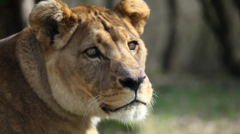
Two of the world's rarest lions put to sleep at zoo
#Asiatic lions #endangered species #euthanasia #zoo #conservation #wildlife #breeding programs
📌 Key Takeaways
- Two rare Asiatic lions were euthanized at a zoo due to age-related health issues.
- The lions were part of a critically endangered subspecies with only a few hundred remaining in the wild.
- The zoo cited declining quality of life and incurable conditions as reasons for the decision.
- Conservation efforts for the species continue through breeding programs and habitat protection.
📖 Full Retelling
🏷️ Themes
Wildlife Conservation, Animal Welfare
📚 Related People & Topics

Asiatic lion
Lion population in India
The Asiatic lion is a lion that belongs to the subspecies Panthera leo leo. The surviving population of these lions is restricted to the Indian state of Gujarat. It is classified as endangered in the IUCN Red List, is included on CITES Appendix I, and is legally protected in India.
Entity Intersection Graph
No entity connections available yet for this article.
Mentioned Entities
Deep Analysis
Why It Matters
This news matters because it represents a significant loss for global conservation efforts, particularly for critically endangered species. The death of these rare lions reduces genetic diversity within captive breeding programs, which are crucial for preventing extinction. This affects zoological institutions, conservation biologists, and the public who support wildlife preservation initiatives. The incident may also prompt reviews of animal care protocols in captive environments.
Context & Background
- Asiatic lions are among the rarest lion subspecies, with only about 600-700 individuals remaining in the wild, primarily in India's Gir Forest.
- Captive breeding programs in zoos worldwide serve as insurance populations against extinction and help maintain genetic diversity.
- Zoos follow strict protocols for euthanasia decisions, typically based on animal welfare concerns like untreatable illness, severe injury, or poor quality of life.
- The International Union for Conservation of Nature (IUCN) lists several lion subspecies as endangered or critically endangered due to habitat loss and human-wildlife conflict.
What Happens Next
The zoo will likely conduct a thorough review of the circumstances leading to the euthanasia decisions and may release a detailed statement about the lions' health conditions. Conservation organizations might reassess breeding program strategies for remaining rare lions in captivity. The incident could lead to increased public scrutiny of zoo animal welfare practices and potentially affect visitor numbers or donor support.
Frequently Asked Questions
While the article doesn't specify reasons, zoos typically euthanize animals due to severe health issues, untreatable conditions, or poor quality of life that cannot be alleviated through medical care. Such decisions are made by veterinary and animal care teams following established welfare protocols.
The loss reduces the captive population's genetic diversity, which is crucial for healthy breeding programs. Conservationists may need to adjust breeding strategies and potentially face setbacks in preserving the genetic lineage of these rare lions.
Zoos will continue conservation breeding programs with remaining individuals, possibly implementing enhanced health monitoring. International breeding recommendations may be updated to maximize genetic diversity among the surviving captive population.
Yes, zoos play important roles in conservation through captive breeding, research, and public education. However, they face challenges maintaining genetic diversity in small populations and must balance animal welfare with conservation objectives.