
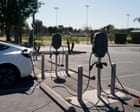
US interest in electric vehicles surges as gas prices jump amid Iran war
#electric vehicles #gas prices #Iran war #US interest #consumer behavior #geopolitical tensions #automotive industry
📌 Key Takeaways
- US consumer interest in electric vehicles has increased significantly.
- The surge is linked to rising gasoline prices.
- Gas price increases are attributed to geopolitical tensions involving Iran.
- The trend reflects a shift in consumer behavior due to economic factors.
📖 Full Retelling
🏷️ Themes
Energy, Automotive
📚 Related People & Topics
List of wars involving Iran
This is a list of wars involving the Islamic Republic of Iran and its predecessor states. It is an unfinished historical overview.
Entity Intersection Graph
Connections for List of wars involving Iran:
Mentioned Entities
Deep Analysis
Why It Matters
This news matters because rising gas prices directly impact household budgets for millions of Americans, making electric vehicles more financially attractive. It affects consumers facing higher transportation costs, automakers shifting production strategies, and energy markets experiencing volatility. The geopolitical tension with Iran creates economic ripple effects that influence consumer behavior and accelerate the transition toward sustainable transportation alternatives.
Context & Background
- Gas prices have historically been sensitive to Middle East conflicts due to the region's significant oil production
- Electric vehicle adoption in the US has been growing steadily but remained below 10% of new car sales before recent price surges
- The US has implemented various EV incentives including federal tax credits up to $7,500 for qualifying vehicles
- Iran produces approximately 4% of global oil supply, and conflicts in the region typically disrupt shipping routes and market confidence
What Happens Next
Automakers will likely accelerate EV production timelines and marketing efforts to capitalize on increased consumer interest. Congress may face renewed pressure to extend or expand EV tax incentives before their scheduled phase-outs. Energy analysts will monitor whether this represents a temporary spike or sustained shift in consumer behavior as geopolitical tensions evolve.
Frequently Asked Questions
While specific percentages aren't provided in the article, historical data shows Middle East conflicts typically cause immediate 10-30% spikes at US pumps. The actual increase depends on conflict duration, oil market reactions, and domestic refinery capacity.
Yes, EVs become comparatively more economical as gas prices rise, though upfront costs remain higher. The break-even point improves significantly when gasoline exceeds $4-5 per gallon, making monthly savings more substantial for most drivers.
Some demand may soften, but many consumers who switch during price spikes discover additional EV benefits like lower maintenance and become permanent converts. Market analysts believe each price surge permanently shifts a portion of the market toward electric alternatives.
Conflicts threaten Strait of Hormuz transit (20% of global oil trade), trigger speculative buying, and create supply uncertainty. Even without direct supply disruption, fear of escalation causes traders to bid up oil prices globally, affecting US consumers within days.