
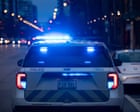
US officer having a ‘mild anxiety attack’ took ambulance meant for man shot by police
#police officer #anxiety attack #ambulance #shot #emergency care #authority misuse #accountability
📌 Key Takeaways
- A US officer experiencing a 'mild anxiety attack' commandeered an ambulance intended for a man shot by police.
- The incident delayed emergency medical care for the shooting victim.
- It highlights potential misuse of authority and prioritization of officer welfare over civilian needs.
- The event raises questions about police accountability and emergency response protocols.
📖 Full Retelling
🏷️ Themes
Police misconduct, Emergency response
Entity Intersection Graph
No entity connections available yet for this article.
Deep Analysis
Why It Matters
This incident matters because it reveals potential systemic issues in emergency response prioritization and police accountability. It directly affects the shooting victim who experienced delayed medical care, his family, and the community's trust in law enforcement. The situation raises ethical questions about whether officers receive preferential treatment during emergencies, potentially compromising public safety and undermining equal justice principles.
Context & Background
- Police shootings in the US have been under increased scrutiny since the 2020 George Floyd protests and subsequent police reform movements
- Emergency medical services often face difficult triage decisions when multiple patients require attention simultaneously
- Police officers experiencing mental health crises has become a growing concern, with departments implementing wellness programs in recent years
- There is historical tension between communities and police departments regarding perceived unequal treatment and accountability mechanisms
What Happens Next
The involved police department will likely conduct an internal investigation, possibly resulting in disciplinary action. The shooting itself will be reviewed separately, potentially by external agencies. Community groups may organize protests or demand policy changes regarding emergency response protocols. The city might implement new training for coordinating medical responses during officer-involved incidents.
Frequently Asked Questions
Emergency responders made a judgment call prioritizing the officer's reported medical emergency, though gunshot wounds typically require immediate attention. This decision suggests possible bias in triage protocols or miscommunication about severity levels between different emergency personnel.
The officer taking the ambulance could face departmental discipline for protocol violations. The original shooting will be investigated separately to determine if use of force was justified, with potential civil rights implications if medical care was unlawfully delayed.
Law enforcement has high stress exposure, making anxiety and PTSD more prevalent than in many professions. Many departments now offer mental health resources, though stigma about seeking help persists in police culture.
Departments could implement clearer triage protocols that don't automatically prioritize officers, require independent medical assessments during officer-involved incidents, and improve coordination between police and EMS through joint training exercises.
Incidents like this deepen existing distrust, particularly in communities already skeptical of police accountability. They reinforce perceptions of unequal treatment and can hinder community cooperation with law enforcement investigations.