
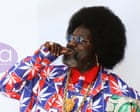
US rapper Afroman cleared after police sued him over use of home raid footage
#Afroman #police raid #lawsuit #footage #First Amendment #music video #social media #court ruling
📌 Key Takeaways
- Afroman was cleared of legal claims by police over using raid footage in his content.
- The lawsuit stemmed from a home raid where police searched his property without finding evidence.
- Afroman used the footage in music videos and social media, arguing it was protected speech.
- The court ruled in his favor, citing First Amendment rights to use the material.
📖 Full Retelling
🏷️ Themes
Legal Victory, Free Speech
📚 Related People & Topics

Afroman
American rapper (born 1974)
Joseph Edgar Foreman (born July 28, 1974), known by his stage name Afroman, is an American rapper and singer. His major label debut, The Good Times (2001), featured the singles "Because I Got High" and "Crazy Rap". He was nominated for a Grammy Award the following year.

First Amendment to the United States Constitution
1791 amendment limiting government restriction of civil liberties
The First Amendment (Amendment I) to the United States Constitution prevents Congress from making laws respecting an establishment of religion; prohibiting the free exercise of religion; or abridging the freedom of speech, the freedom of the press, the freedom of assembly, or the right to petition t...
Entity Intersection Graph
Connections for Afroman:
View full profileMentioned Entities
Deep Analysis
Why It Matters
This case establishes important precedent regarding First Amendment rights and law enforcement accountability. It affects artists, content creators, and citizens who document police interactions, potentially empowering them to use such footage without fear of legal retaliation. The ruling also impacts police departments nationwide by limiting their ability to control narratives around controversial raids through litigation. This decision reinforces that public interest in police conduct often outweighs law enforcement's privacy or publicity concerns.
Context & Background
- Afroman (Joseph Foreman) is a rapper known for hits like 'Because I Got High' and has built a career around cannabis culture themes
- In August 2022, multiple Ohio law enforcement agencies conducted a heavily armed raid on Afroman's home while he was away, with his wife and children present
- The raid found minimal evidence and resulted in no charges, but Afroman captured extensive footage from his home security cameras showing officers searching his property
- Afroman subsequently used the raid footage in music videos, social media posts, and merchandise, turning the incident into artistic commentary and commercial content
- The Adams County Sheriff's Office and other officers sued Afroman in March 2023, claiming invasion of privacy, emotional distress, and seeking to stop his use of the footage
What Happens Next
The ruling may face potential appeals from law enforcement agencies, though the strong First Amendment basis makes success unlikely. Other artists and citizens may feel emboldened to similarly document and publicize police interactions. Police departments nationwide will likely review their policies regarding raids and officer conduct in light of increased public scrutiny. Afroman may continue creating content around the incident, potentially inspiring similar cases that further test the boundaries of First Amendment protections.
Frequently Asked Questions
Officers claimed Afroman's use of raid footage constituted invasion of privacy, intentional infliction of emotional distress, and sought to profit from their likenesses without consent. They argued the commercial use of their images in merchandise and videos violated their rights.
The court found Afroman's use of the footage was protected by the First Amendment as matters of public concern. The judges determined police officers have diminished privacy expectations when performing official duties, especially during controversial raids that warrant public scrutiny.
The 2022 raid yielded only a small amount of cannabis and cash, resulting in no criminal charges against Afroman. The disproportionate police response compared to the minimal findings became central to public criticism of the operation.
He incorporated the security camera footage into music videos like 'Will You Help Me Repair My Door,' created merchandise featuring officers' images, and used the incident as central content across his social media platforms, turning police misconduct into artistic commentary.
This establishes precedent that citizens can document and publicize police interactions without fear of retaliation lawsuits. It strengthens First Amendment protections for turning government conduct into artistic expression and commercial content when matters involve public interest.
Yes, they could have sought protective orders before the footage was released or pursued internal disciplinary measures against officers shown acting questionably. Their decision to sue for privacy violations while performing public duties was legally weak from the start.