
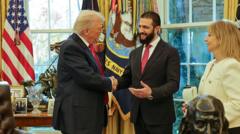
US to withdraw troops from Syria as tensions mount with Iran
#United States #Trump administration #Syria #troop withdrawal #Middle East #Iran #tensions #military presence #foreign policy #regional security #defense strategy #Gulf states #missile threat #congressional oversight
📌 Key Takeaways
- President Donald Trump orders the U.S. withdrawal of troops from Syria.
- The withdrawal coincides with an increased U.S. military presence in other Middle Eastern locations.
- Decision driven by rising tensions with Iran and a strategic shift in U.S. foreign policy.
- Withdrawal aims to reduce direct involvement in Syria while strengthening deterrence against Iran.
- The U.S. will reallocate resources to reinforce defenses at maritime chokepoints and support allies.
- Mixed reactions from Syria’s coalition partners and concern over potential power vacuum.
- Congressional oversight and alliance coordination remain critical for implementing the decision.
📖 Full Retelling
United States President Donald Trump has announced the withdrawal of U.S. military troops from Syria, a decision that comes as the administration ramps up its military presence elsewhere in the Middle East amid mounting tensions with Iran. The move reflects the Trump administration's strategic shift to reduce direct involvement in the Syrian conflict while preparing to counter potential Iranian influence in the region.
The order to pull back forces was issued by the White House and implemented by the U.S. Department of Defense, with the last American troops scheduled to leave the country's outskirts before the end of the year. This decision follows a series of policy changes aimed at reallocating resources to address perceived threats from Iran, particularly concerning its nuclear program and regional proxy alliances.
Analysts say the withdrawal is part of a broader realignment of U.S. military commitments, a pattern that has seen diminished presence in Iraq and Afghanistan while increasing investments in defensive networks such as the so‑called "Middle East Strategy Framework." The aim is to strengthen deterrence against Iranian aggression and solidify alliances with Gulf states.
The reaction in the region has been mixed. While some Syrian coalition partners welcome the U.S. reduction in direct combat roles, critics worry that American withdrawal could create a power vacuum that could harm civilian protection efforts and further destabilize the country.
At the same time, President Trump has publicly urged a diplomatic approach to addressing Iran's missile and nuclear ambitions, while simultaneously supporting covert operations to degrade Iran's influence networks across the Middle East. The combination of a physical pull‑back in Syria and a strategic upswing elsewhere marks a distinctive shift in U.S. policy on Iraq‑Peshmerga relations and Iran containment.
By shifting its focus, the U.S. intends to consolidate troop deployments in key maritime chokepoints, intensify surveillance, and bolster defense systems against Iranian missile threats, anticipating a future where the direct engagement in Syria may not be sustainable. This approach is expected to be vetted further through congressional oversight and reconciling with allies’ expectations in Washington and abroad.
🏷️ Themes
U.S. foreign policy, Military strategy and troop deployment, Middle East geopolitical tensions, Iran–United States relations, Conflict resolution in Syria, Defense deterrence and regional security, Diplomatic versus military approaches
Entity Intersection Graph
No entity connections available yet for this article.
Original Source
The decision came as US President Donald Trump ramps up military presence in the Middle East as tensions mount with Iran.
Read full article at source