
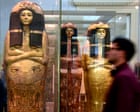
Vast scale of overseas human remains held in UK museums decried by MPs and experts
#human remains #UK museums #repatriation #colonial legacy #ethical guidelines #MPs #transparency #cultural heritage
📌 Key Takeaways
- UK museums hold a significant number of human remains from overseas, raising ethical concerns.
- MPs and experts criticize the scale and handling of these collections.
- The issue highlights ongoing debates over repatriation and colonial legacies.
- Calls for increased transparency and ethical guidelines in museum practices.
📖 Full Retelling
🏷️ Themes
Repatriation, Museum Ethics
📚 Related People & Topics
List of museums in the United Kingdom
For details of museums in the United Kingdom, see:
Entity Intersection Graph
Connections for MP:
Mentioned Entities
Deep Analysis
Why It Matters
This news matters because it addresses the ethical and cultural implications of UK museums holding thousands of human remains from other countries, often acquired during colonial periods. It affects descendant communities seeking repatriation, museum professionals balancing preservation with ethical stewardship, and policymakers shaping cultural heritage laws. The issue also touches on broader debates about colonial legacy, restitution, and how nations reconcile with historical injustices through cultural institutions.
Context & Background
- During the 18th-20th centuries, European museums and collectors amassed human remains from colonized territories, often without consent, for scientific study or as curiosities.
- The 2004 UK Human Tissue Act regulates the handling of human remains but doesn't mandate repatriation, leaving decisions to individual institutions.
- High-profile cases like the return of Māori and Aboriginal ancestral remains from UK museums have increased pressure for systematic repatriation policies.
- Many remains were taken from indigenous communities in Africa, Oceania, and the Americas during colonial expeditions, archaeological digs, or conflict situations.
- The UK holds an estimated 100,000+ overseas human remains across institutions like the British Museum, Natural History Museum, and university collections.
What Happens Next
Increased parliamentary scrutiny may lead to formal inquiries or proposed legislation to create clearer repatriation frameworks. Museums will likely face growing pressure to audit their holdings and engage with source communities. Expect more restitution claims from countries like New Zealand, Australia, and African nations, potentially resulting in high-profile returns within 6-24 months. Some institutions may develop proactive repatriation policies before being compelled by law.
Frequently Asked Questions
Museums cite legal constraints, concerns about preservation standards in receiving institutions, and complex provenance research requirements. Some argue remains have scientific value or were legitimately acquired, though these claims are increasingly contested.
New Zealand (for Māori remains), Australia (for Aboriginal ancestral remains), and various African nations including South Africa and Kenya have been particularly active. These countries often have dedicated repatriation programs and governmental support.
Historically used for racial science and anthropological study, many remains are now in storage. Some are displayed in archaeological or historical contexts, though ethical standards increasingly limit display without community consent.
Repatriation refers specifically to returning human remains, while restitution encompasses broader return of cultural objects. Both fall under 'decolonization' efforts addressing colonial-era acquisitions.
Most do, but perspectives vary—some prioritize respectful reburial, others seek community-controlled curation. A few communities permit scientific study under specific conditions, emphasizing consultation over blanket policies.