
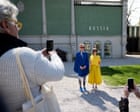
Venice Biennale risks losing EU funding over planned Russia involvement
#Venice Biennale #EU funding #Russia #art event #cultural boycott #geopolitics #financial sanctions
📌 Key Takeaways
- The Venice Biennale may lose EU funding due to its plan to include Russian participation.
- The EU is considering withdrawing financial support in response to the Biennale's decision.
- This move reflects ongoing tensions between the EU and Russia following geopolitical conflicts.
- The funding cut could impact the scale and operations of the prestigious art event.
📖 Full Retelling
🏷️ Themes
Cultural Funding, Geopolitical Tensions
📚 Related People & Topics

Venice Biennale
International arts exhibition in Italy
The Venice Biennale ( BEE-en-AH-lay, -lee; Italian: la Biennale di Venezia [la bi.enˈnaːle di veˈnɛttsja]) is an international cultural exhibition hosted annually in Venice, Italy. There are two main components of the festival, known as the Art Biennale (la Biennale d'Arte di Venezia) and the Archi...
Entity Intersection Graph
Connections for Venice Biennale:
Mentioned Entities
Deep Analysis
Why It Matters
This news matters because it highlights how cultural institutions are becoming entangled in geopolitical conflicts, potentially setting precedents for how EU funding is tied to political alignment. It affects artists, curators, and cultural organizations who rely on international platforms like the Venice Biennale for exposure and collaboration. The situation also impacts EU-Russia cultural relations and could influence future decisions about artistic participation in major global events during times of international tension.
Context & Background
- The Venice Biennale is one of the world's oldest and most prestigious contemporary art exhibitions, founded in 1895 and held every two years.
- Since Russia's 2022 invasion of Ukraine, many Western cultural institutions have severed ties with Russian state-funded organizations while continuing engagement with independent Russian artists.
- The EU has implemented multiple sanctions packages against Russia targeting various sectors, though cultural exchanges have generally faced less formal restrictions than economic areas.
- Previous Venice Biennales have faced controversies over national pavilions, including debates about Taiwan's participation and Israel's representation during conflicts.
What Happens Next
The Biennale organizers will likely face pressure to clarify their position on Russian participation before the next funding review. EU cultural committees may establish clearer guidelines linking funding to geopolitical alignment. Independent Russian artists may seek alternative platforms if excluded, while cultural diplomacy experts will monitor whether this becomes a broader pattern affecting other major European cultural events.
Frequently Asked Questions
The EU may view funding cultural events that include Russian state-affiliated participants as contradicting sanctions or undermining unity against Russia's actions in Ukraine. This reflects growing pressure to extend geopolitical positions into cultural spheres.
The distinction between independent and state-affiliated Russian artists is crucial but often blurred in practice. Many institutions are trying to support dissident artists while avoiding collaboration with Kremlin-linked organizations, creating complex ethical dilemmas.
This could establish that EU funding requires alignment with foreign policy positions, potentially affecting film festivals, music competitions, and museum exhibitions. It raises questions about whether cultural institutions should serve as instruments of political pressure.
Some argue political restrictions compromise artistic freedom and the event's mission as an open international dialogue. Others contend that excluding certain participants upholds ethical responsibilities during conflicts, creating tension between artistic and political values.