
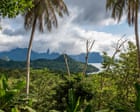
Villagers on Principe, the ‘African Galapagos’, to be paid for protecting the ecosystem
#Principe #African Galapagos #ecosystem protection #villagers #biodiversity #conservation payments #environmental incentives
📌 Key Takeaways
- Villagers on Principe will receive payments for ecosystem protection efforts.
- Principe is referred to as the 'African Galapagos' due to its unique biodiversity.
- The initiative aims to incentivize conservation through direct financial rewards.
- The program focuses on preserving the island's natural environment and species.
📖 Full Retelling
🏷️ Themes
Conservation, Community Payments
Entity Intersection Graph
No entity connections available yet for this article.
Deep Analysis
Why It Matters
This initiative matters because it establishes a direct economic incentive for local communities to protect biodiversity, potentially creating a sustainable conservation model for fragile ecosystems worldwide. It affects the 8,000 residents of Príncipe Island who will receive payments for ecosystem services, as well as global conservation organizations seeking effective preservation strategies. The program could demonstrate how financial mechanisms can align community livelihoods with environmental protection in developing regions where conservation funding is often limited.
Context & Background
- Príncipe Island is part of São Tomé and Príncipe, a small island nation off West Africa's coast, often called the 'African Galapagos' due to its high endemism
- The island has over 2,000 hectares of protected areas including UNESCO Biosphere Reserve status since 2012
- Traditional conservation approaches in developing regions often fail to involve local communities economically, leading to conflicts between preservation and livelihoods
- Payment for Ecosystem Services (PES) programs have gained traction globally but remain rare in small island developing states
- Príncipe's biodiversity includes 28 endemic plant species and several unique bird species found nowhere else on Earth
What Happens Next
The program will likely begin with pilot payments to selected villages in 2024, followed by monitoring of both ecological outcomes and socioeconomic impacts. International conservation groups will probably study this model for potential replication in other biodiversity hotspots. Within 2-3 years, we should see assessment reports on whether the payments successfully reduced deforestation and species threats while improving local incomes.
Frequently Asked Questions
Villagers will receive direct payments through a Payment for Ecosystem Services (PES) scheme funded by international conservation organizations and possibly carbon credit markets. Payments will be conditional on measurable conservation outcomes like maintaining forest cover and protecting endemic species habitats.
Príncipe earns this nickname due to its extraordinary rate of species endemism and evolutionary uniqueness, similar to the Galapagos Islands. The island's isolation has led to numerous species found nowhere else, including unique birds, plants, and insects that evolved separately from mainland Africa.
Primary threats include deforestation for agriculture, unsustainable fishing practices, invasive species introduction, and climate change impacts. Limited economic alternatives have historically pressured residents to exploit natural resources despite the island's protected status.
Funding likely comes from international conservation NGOs, development agencies, and possibly private foundations focused on biodiversity. The program may also generate revenue through ecotourism partnerships and carbon offset markets tied to forest preservation.
Success will be measured through biodiversity monitoring (species population counts), satellite tracking of deforestation rates, and socioeconomic surveys of participating communities. The program will need to demonstrate both ecological improvement and poverty reduction to be considered effective.