
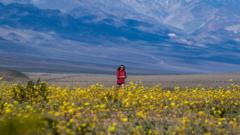
Watch: Wildflowers cover Death Valley in best display since 2016
#Death Valley #wildflowers #bloom #2016 #national park #desert #tourism #weather
📌 Key Takeaways
- Death Valley experiences its most significant wildflower bloom since 2016.
- The bloom is attributed to favorable weather conditions, including rainfall.
- The event has drawn increased tourism and attention to the national park.
- The display highlights the ecological resilience of desert environments.
📖 Full Retelling
🏷️ Themes
Nature, Tourism
📚 Related People & Topics

Death Valley
Valley in the Mojave Desert, Eastern California
Death Valley (Panamint: Tümpisa [tɨmbiʃa]) is a desert valley in Eastern California, United States, in the northern Mojave Desert, bordering the Great Basin Desert. The World Meteorological Organization lists Death Valley as the site of the hottest surface temperature recorded on Earth. Death Valley...
Entity Intersection Graph
Connections for Death Valley:
Mentioned Entities
Deep Analysis
Why It Matters
This event matters because it demonstrates how extreme weather patterns can create unexpected ecological benefits in harsh environments. It affects tourism in Death Valley National Park, providing a rare economic boost to local communities during what's typically a slower season. The bloom also offers scientists valuable data on desert ecosystem resilience and seed bank viability following historic rainfall events.
Context & Background
- Death Valley is one of the hottest and driest places on Earth, with average annual rainfall of about 2 inches
- The park experienced historic rainfall from Hurricane Hilary in August 2023, depositing a year's worth of rain in one day
- Superblooms typically occur in California deserts when dormant seeds receive sufficient rainfall at the right temperatures
- The last major superbloom in Death Valley occurred in 2016 following El Niño conditions
What Happens Next
Park officials will monitor visitor impacts through spring 2024 as tourism increases. Scientists will study seed germination patterns and pollinator activity through the blooming period. The flowers will likely peak through March before summer heat causes them to wither, with seeds returning to dormancy until the next major rainfall event.
Frequently Asked Questions
Historic rainfall from Hurricane Hilary in August 2023 provided the necessary moisture, followed by ideal winter temperatures that triggered mass germination of dormant desert wildflower seeds that had been waiting for decades for perfect conditions.
The bloom typically peaks for 2-4 weeks in spring, with different species flowering at different times. Most flowers will wither by late April as temperatures rise above 100°F, though some hardy species may persist into early May in sheltered areas.
They require precise conditions: sufficient rainfall at the right time, followed by moderate temperatures without drying winds. Most years see either insufficient rain or rain at the wrong season, preventing mass germination of the dormant seed bank.
The display includes desert gold, gravel ghost, desert five-spot, and various evening primroses. Different elevations feature different species, with lower elevations showing golden blooms while higher areas display more varied colors including purple and white flowers.
Visitor numbers typically increase 30-50% during superblooms, providing economic benefits to nearby communities. The park implements temporary traffic controls and expanded services to manage the influx while protecting fragile desert ecosystems from overuse.