
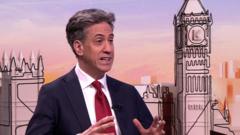
We will intervene on energy bills if necessary, says Miliband
#Miliband #energy bills #intervention #government #consumer #costs #affordability
📌 Key Takeaways
- Ed Miliband states readiness to intervene on energy bills if needed
- Government considering measures to address rising energy costs
- Potential intervention aimed at protecting consumers from high bills
- Statement reflects ongoing concerns over energy affordability
🏷️ Themes
Energy Policy, Consumer Protection
📚 Related People & Topics
Miliband
Surname list
Miliband may refer to: Ed Miliband (born 1969), British politician, former leader (Sep.
Entity Intersection Graph
Connections for Miliband:
Mentioned Entities
Deep Analysis
Why It Matters
This statement matters because it signals potential government intervention in energy markets, which directly affects household budgets during a cost-of-living crisis. It impacts millions of consumers facing rising energy costs, energy companies whose pricing structures could be regulated, and the broader economy through inflation pressures. The announcement suggests a shift toward more active market management that could set precedents for future energy policy and government-market relations.
Context & Background
- The UK has experienced significant energy price volatility following Russia's invasion of Ukraine in 2022, which disrupted global energy markets
- The UK government previously implemented an Energy Price Guarantee from October 2022 to June 2023, capping typical household bills at £2,500 annually
- Ofgem, the energy regulator, sets price caps quarterly based on wholesale energy costs, but these have remained high despite recent decreases in wholesale prices
- Labour Party energy policies have historically included more market intervention approaches compared to Conservative free-market orientations
What Happens Next
Expect detailed policy proposals from Miliband's team within the next parliamentary session, potentially including specific price cap mechanisms or windfall tax extensions. Energy companies will likely intensify lobbying efforts against intervention measures. Parliamentary debates on energy market reforms are probable before the next Ofgem price cap announcement in October 2024.
Frequently Asked Questions
The government can implement price caps through legislation, adjust regulator mandates, impose windfall taxes on energy companies, or create subsidy programs funded through taxation. These interventions typically require parliamentary approval and must balance consumer protection with maintaining energy market stability.
Universal price caps benefit all households but are less targeted than means-tested support. Lower-income households spend proportionally more on energy, making them most vulnerable to price increases. Targeted interventions through benefits systems could be more efficient but administratively complex.
Market interventions can discourage energy investment, potentially leading to supply shortages. Price controls may create artificial demand while reducing incentives for energy efficiency. There's also risk of creating long-term market distortions that require ongoing government management.
This follows the Energy Price Guarantee (2022-2023) but suggests more permanent structural changes rather than temporary crisis measures. Previous interventions like the Warm Home Discount were more targeted, while this appears to contemplate broader market reforms affecting all consumers.
Likely triggers would include sustained high wholesale prices, failure of competition to reduce consumer bills, or significant public pressure during winter months. Political considerations around election timing and cost-of-living crisis severity would also influence implementation decisions.