
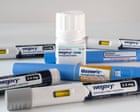
Weight-loss jab could be made for $3 a month, study finds
#weight-loss #jab #study #affordable #obesity #treatment #pricing #healthcare
📌 Key Takeaways
- A study finds weight-loss jabs could be manufactured for as low as $3 per month.
- This suggests potential for significantly lower pricing compared to current market rates.
- The finding highlights issues of affordability and accessibility in obesity treatments.
- It may influence future drug pricing and healthcare policies globally.
📖 Full Retelling
🏷️ Themes
Healthcare, Affordability
Entity Intersection Graph
No entity connections available yet for this article.
Deep Analysis
Why It Matters
This news matters because it suggests a dramatic reduction in the cost of weight-loss medications, potentially making them accessible to millions more people worldwide. It affects individuals struggling with obesity who currently cannot afford expensive treatments, healthcare systems burdened by obesity-related costs, and pharmaceutical companies whose pricing models may face pressure. If realized, this could transform obesity treatment from a luxury for the wealthy to a widely available public health intervention.
Context & Background
- Current weight-loss medications like Ozempic and Wegovy can cost $800-$1,300 per month in the US, putting them out of reach for most patients
- Obesity affects over 1 billion people globally and is linked to numerous health conditions including diabetes, heart disease, and certain cancers
- Pharmaceutical companies have faced criticism for high drug pricing while manufacturing costs remain relatively low
- Generic drug manufacturing typically occurs after patent expiration, which for newer weight-loss drugs is still years away
What Happens Next
Researchers will likely seek funding for clinical trials to test the low-cost version's safety and efficacy. Regulatory agencies like the FDA will need to review any new manufacturing processes. If successful, generic manufacturers may begin production in 3-5 years, though patent challenges could delay availability. Public health organizations may advocate for insurance coverage of affordable versions.
Frequently Asked Questions
Current drugs are expensive due to patent protection, research and development costs, marketing expenses, and pharmaceutical profit margins. Manufacturers also cite the value of health improvements when justifying prices.
Realistically, 3-7 years due to needed clinical trials, regulatory approval, and potential patent challenges. The timeline depends on research funding and legal factors surrounding existing patents.
If proven safe and effective, insurers would be more likely to cover affordable versions. Government healthcare programs might prioritize coverage given potential savings from reduced obesity-related complications.
The study suggests using the same active ingredients (GLP-1 agonists) but with different manufacturing methods to reduce costs. The medication would work similarly but be produced more affordably.
Yes, affordable treatment could significantly impact global obesity if widely accessible. However, medication alone isn't a complete solution—diet, exercise, and systemic factors also influence obesity rates.