| United Kingdom
| general
| ✓ Verified - news.sky.com
Weight loss jabs could be banned by next Olympics
#Weight loss jabs#Olympics#WADA#Semaglutide#Ozempic#Doping#Performance enhancement#Athlete health
📌 Key Takeaways
WADA investigating weight loss jabs for potential Olympic ban
Semaglutide in drugs like Ozempic being monitored for abuse
Decision could come by end of 2026 or 2027 before LA Olympics
Endurance athletes might benefit most from these medications
Health and welfare concerns exist for athletes using these drugs
📖 Full Retelling
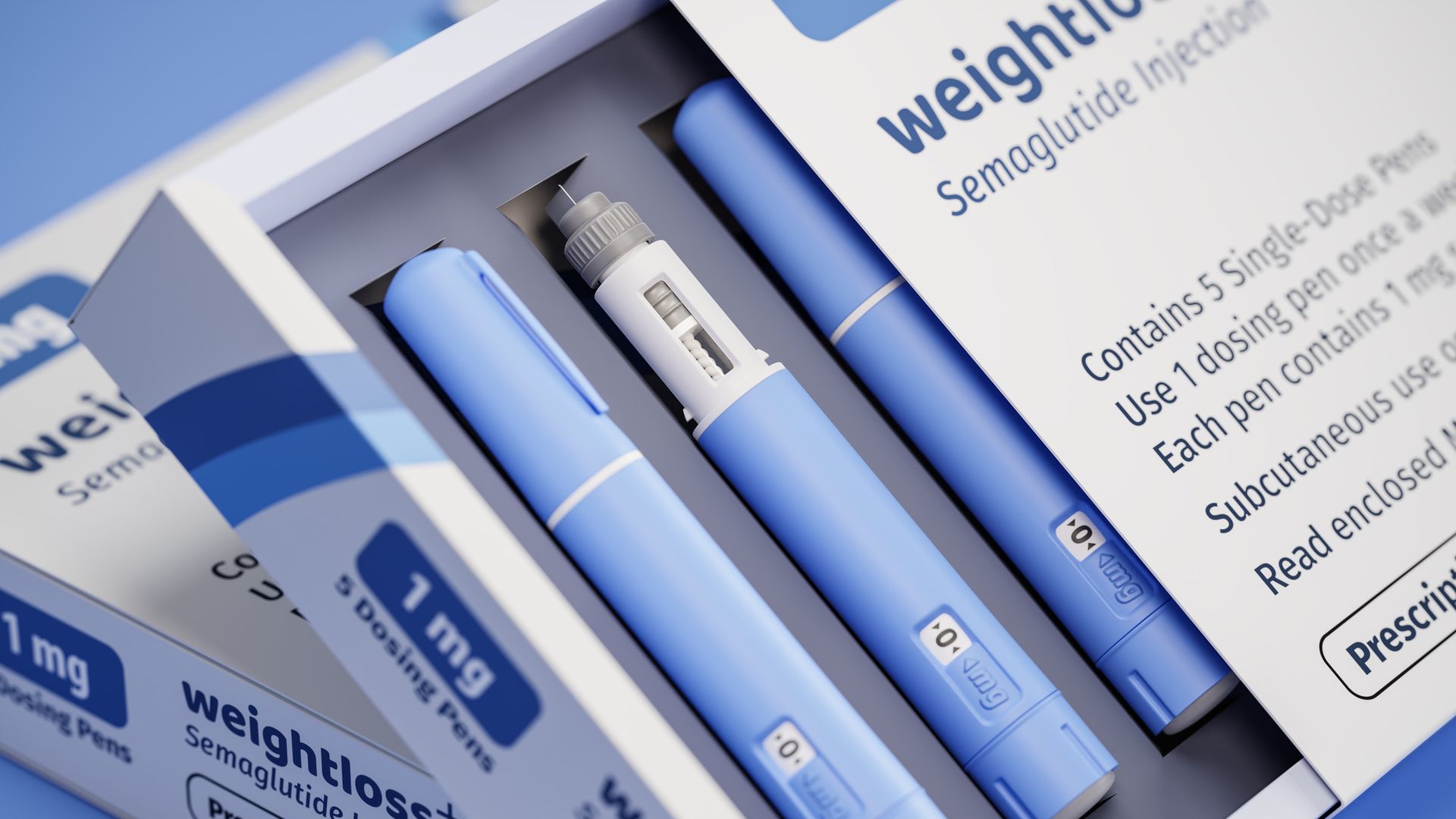
As the Winter Olympics conclude, the World Anti-Doping Agency (WADA) is investigating whether to add weight loss jabs to the banned list for the next Summer Olympics in 2028, amid concerns that athletes might be using these medications to gain unfair advantages or compromise their health. WADA is specifically monitoring Semaglutide, the active ingredient in popular GLP-1 medications including Ozempic, to determine if athletes are abusing these drugs to cheat. 'We want to see whether we detect patterns of abuse of this drug or this class of substances in sport,' Dr Olivier Rabin, WADA's senior director of science and medicine, told Sky News. 'So we keep an eye on them because there's been a change in paradigm in the way weight can be controlled because of those drugs.' For a ban to be implemented, WADA would need to find that athletes are using these drugs to boost performance, that their health is being put at risk, or that the spirit of fair sport is being violated. A decision could potentially be made by the end of 2026 or in 2027, possibly before the Olympic Games in Los Angeles. Experts note that endurance athletes could benefit most from these medications, which work by making individuals feel fuller and thus eat less. However, this can lead to energy deficiency and potentially affect muscle nutrient absorption. There are also significant welfare concerns, with athletes facing pressure to use these drugs in environments where 'thin equals fast' or 'thin equals powerful' mentality persists. 'In many ways a more invisible issue is GLP-1s being used to control the weight of athletes,' said Kate Seary, co-founder of the Kyniska Advocacy for safe sport. 'There are toxic environments where the idea that thin equals fast, thin equals powerful, or even thin equals beautiful in sport are still really present.'
🏷️ Themes
Doping, Sports Integrity, Athlete Welfare, Medication in Sports
Semaglutide is an anti-diabetic medication used for the treatment of type 2 diabetes, and an anti-obesity medication used for long-term weight management and to reduce the risk of major adverse cardiovascular events. It is a peptide similar to the hormone glucagon-like peptide-1 (GLP-1), modified wi...
The modern Olympic Games (Olympics; French: Jeux olympiques) are the world's preeminent international sporting events. They feature summer and winter sports events in which thousands of athletes from around the world participate in a variety of athletic competitions. The Olympic Games, open to both ...
Weight loss jabs could be banned by next Olympics The World Anti-Doping Agency would need to find that athletes are using the drugs to boost performances and that their health is being risked or the spirit of fair sport is being violated. Rob Harris Sports correspondent @RobHarris Sunday 22 February 2026 05:53, UK 2:31 Share Will weight loss drugs be banned from Olympics? Why you can trust Sky News As the Winter Olympics end, the World Anti-Doping Agency is investigating whether to add weight loss jabs to the banned list for the next Summer Olympics in 2028. The agency is monitoring Semaglutide, which is the active ingredient in popular GLP-1 medication, including Ozempic , to see if it is being abused by athletes to cheat. "We want to see whether we detect patterns of abuse of this drug or this class of substances in sport," Dr Olivier Rabin, WADA's senior director of science and medicine, told Sky News. "So we keep an eye on them because there's been a change in paradigm in the way weight can be controlled because of those drugs. So there is an interest from all sides, from the performance enhancing aspects and health protection of the athletes with this class of substances will they end up being on the list." WADA would need to find that athletes are using the drugs to boost performances and that their health is being risked or the spirit of fair sport is being violated. Dr Rabin said in a recent interview that a decision could be taken by the end of this year or in 2027, adding: "Possibly before the Olympic Games in Los Angeles." Experts say endurance athletes could benefit most. More on Doping Mykhaylo Mudryk: Chelsea winger could face four-year ban after being charged over alleged doping Russian athlete in 1,500m race at London 2012 disqualified - bringing total to five Kamila Valieva: Russian figure skater qualifies for free skate at Winter Olympics in gold medal position - despite failed drugs test Related Topics: Doping Olympics Ozempic The drugs make you f...