
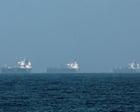
‘We’re powerless … and hoping nothing hits us’: trapped on a tanker as Iran war escalates
#tanker #Iran #war #crew #trapped #shipping #escalation #risk
📌 Key Takeaways
- Crew members on a tanker feel helpless and fearful as conflict escalates in the region.
- The tanker is trapped in a dangerous situation with potential for direct attacks.
- The article highlights the human impact of geopolitical tensions on maritime workers.
- The escalating conflict between Iran and other forces increases risks for commercial shipping.
📖 Full Retelling
🏷️ Themes
Geopolitical Conflict, Maritime Safety
📚 Related People & Topics

Iran
Country in West Asia
# Iran **Iran**, officially the **Islamic Republic of Iran** and historically known as **Persia**, is a sovereign country situated in West Asia. It is a major regional power, ranking as the 17th-largest country in the world by both land area and population. Combining a rich historical legacy with a...
Entity Intersection Graph
Connections for Iran:
Mentioned Entities
Deep Analysis
Why It Matters
This news highlights the human cost of escalating Middle East tensions, directly affecting international shipping crews who become collateral damage in geopolitical conflicts. It exposes the vulnerability of global maritime trade routes, particularly through strategic chokepoints like the Strait of Hormuz where 20% of the world's oil passes. The situation threatens global energy security and could trigger broader economic consequences if shipping disruptions continue or escalate further.
Context & Background
- Iran has repeatedly seized or harassed commercial vessels in recent years, often in retaliation for Western actions or to gain leverage in negotiations
- The Strait of Hormuz is a critical maritime chokepoint where approximately 21 million barrels of oil pass daily, making it strategically vital for global energy markets
- Tensions between Iran and Western powers have escalated since the US withdrew from the 2015 nuclear deal in 2018, leading to a series of confrontations in Gulf waters
- Commercial tanker crews often face dangerous conditions in conflict zones with limited protection, as they're considered civilian non-combatants under international law
What Happens Next
Increased naval patrols by Western powers in the Gulf region are likely, potentially including expanded coalition operations to protect shipping lanes. Insurance premiums for vessels transiting the Strait of Hormuz will probably rise significantly, affecting global shipping costs. The UN Security Council may hold emergency sessions if attacks on commercial shipping intensify, though consensus action remains unlikely due to geopolitical divisions.
Frequently Asked Questions
Tankers are targeted because they represent economic leverage and symbolic value. Iran uses maritime harassment to pressure Western nations while avoiding direct military confrontation, knowing that disrupting oil shipments gets immediate international attention.
International maritime law provides some protections, but enforcement is weak in active conflict areas. Crews rely primarily on their flag state's diplomatic efforts and international naval patrols, which often arrive too late to prevent incidents.
Prolonged disruptions in the Strait of Hormuz could spike oil prices by 15-30% due to supply concerns. Even temporary closures would trigger immediate price increases and potentially trigger emergency oil reserve releases by consuming nations.
Attacking civilian vessels violates multiple international conventions unless the ship is engaged in military activities. However, enforcement relies on political will, and Iran often claims its actions are responses to alleged violations by the targeted ships.