
What are the symptoms of meningitis and can it be treated?
#meningitis #symptoms #treatment #vaccines #bacterial infection #viral infection #diagnosis
📌 Key Takeaways
- Meningitis symptoms include fever, headache, stiff neck, and sensitivity to light.
- It can be caused by viral or bacterial infections, with bacterial being more severe.
- Treatment depends on the cause: antibiotics for bacterial, supportive care for viral.
- Vaccines are available to prevent some types of bacterial meningitis.
- Early diagnosis and treatment are crucial to prevent serious complications.
🏷️ Themes
Health, Disease Prevention
Entity Intersection Graph
No entity connections available yet for this article.
Deep Analysis
Why It Matters
Meningitis is a critical public health concern because it can progress rapidly from mild symptoms to life-threatening illness within hours, making early recognition essential. This affects parents of young children, college students living in dorms, travelers to endemic regions, and healthcare providers who must maintain vigilance. Understanding symptoms and treatment options directly impacts survival rates and long-term outcomes, as delayed treatment can lead to permanent neurological damage or death.
Context & Background
- Meningitis is an inflammation of the protective membranes covering the brain and spinal cord, typically caused by viral or bacterial infections
- Bacterial meningitis is more severe than viral meningitis, with mortality rates reaching 10-15% even with treatment
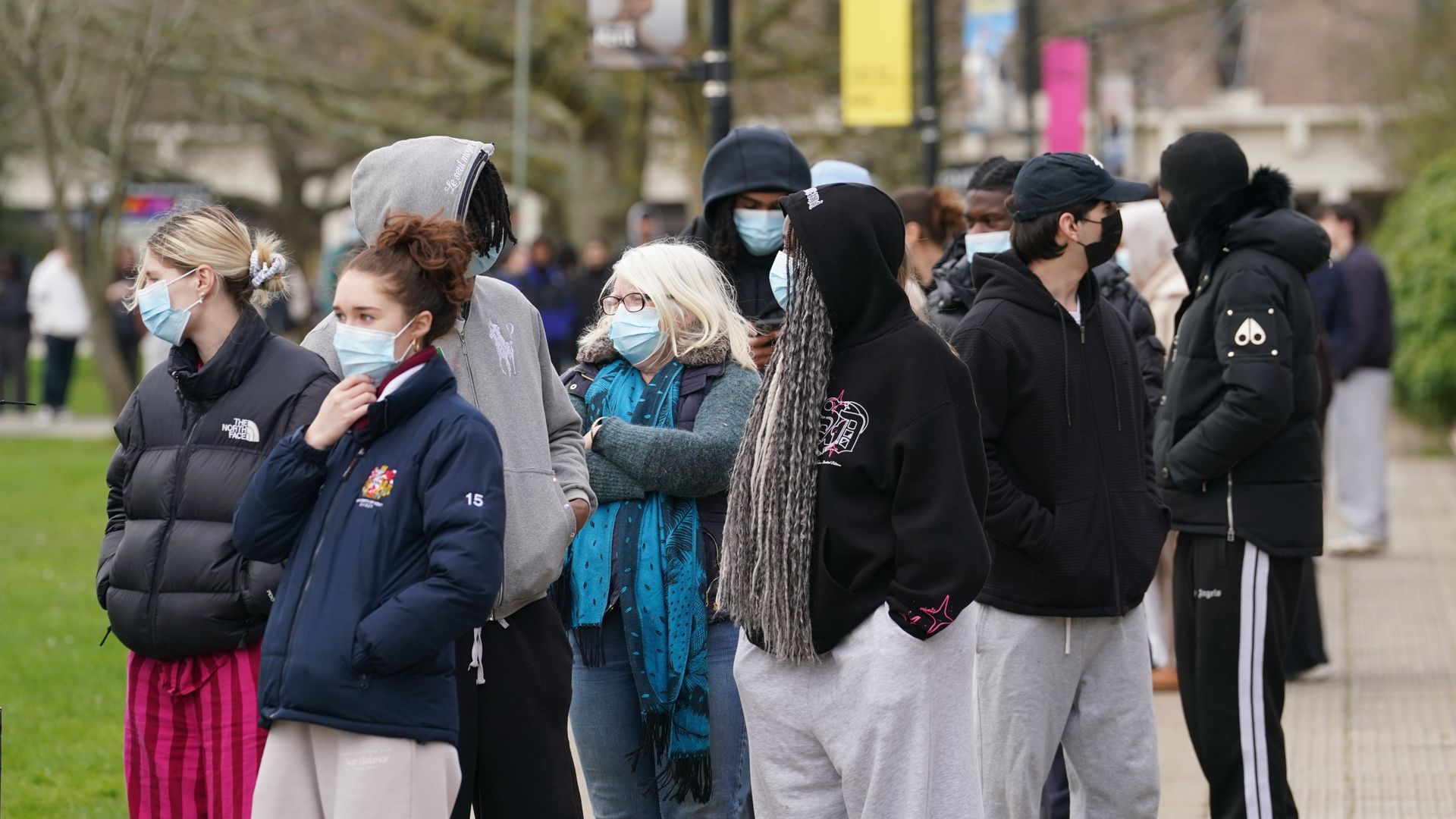
- Outbreaks commonly occur in crowded settings like college dormitories, military barracks, and daycare centers
- The introduction of vaccines (Hib, pneumococcal, meningococcal) has dramatically reduced incidence in developed countries
- Meningitis remains a major health threat in sub-Saharan Africa's 'meningitis belt' where seasonal epidemics occur
What Happens Next
Public health agencies will continue monitoring for outbreaks, particularly in high-risk settings as fall semesters begin. Vaccine development continues with broader coverage targets, and research into rapid diagnostic tests aims to reduce treatment delays. Healthcare providers will emphasize symptom recognition education during back-to-school seasons and travel consultations.
Frequently Asked Questions
The classic triad includes fever, headache, and neck stiffness, but more specific signs include photophobia (light sensitivity), altered mental status, and a distinctive rash that doesn't fade under pressure. Unlike common colds, meningitis symptoms typically worsen rapidly over hours rather than days.
Bacterial meningitis requires immediate intravenous antibiotics and corticosteroids, while viral meningitis usually resolves with supportive care like fluids and pain management. Treatment must begin before test results return, so broad-spectrum antibiotics are often started presumptively when bacterial meningitis is suspected.
Infants under 2 years old have the highest risk, followed by adolescents/young adults (15-24), immunocompromised individuals, and people living in crowded conditions. Travelers to endemic regions and those with certain medical conditions (like cochlear implants) also face elevated risk.
Current vaccines are highly effective but don't cover all strains. Meningococcal vaccines protect against 4-5 major bacterial types, reducing disease by 85-95% in vaccinated populations. Vaccine protection typically lasts 3-5 years, requiring boosters for ongoing risk groups.
Survivors may experience hearing loss (most common), cognitive deficits, motor impairments, seizures, or limb amputations in severe septic cases. Early treatment significantly reduces complication risks, making rapid medical response critical.