
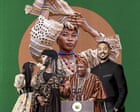
Why wearing traditional dress will always be political
#traditional dress #cultural identity #political statement #resistance #assimilation #nationalism #globalization
📌 Key Takeaways
- Traditional dress often symbolizes cultural identity and heritage
- Wearing traditional attire can be a form of political resistance or statement
- It may challenge dominant cultural norms and promote diversity
- The act can spark debates on assimilation, nationalism, and globalization
📖 Full Retelling
🏷️ Themes
Cultural Identity, Political Expression
Entity Intersection Graph
No entity connections available yet for this article.
Deep Analysis
Why It Matters
This topic matters because clothing choices, especially traditional dress, are deeply intertwined with cultural identity, historical memory, and social power dynamics. It affects indigenous communities, diaspora populations, and anyone navigating cultural expression in multicultural societies. The politicization of traditional dress reveals ongoing struggles over cultural appropriation, authenticity, and resistance against assimilation. Understanding this helps explain broader conflicts about heritage, nationalism, and personal expression in an increasingly globalized world.
Context & Background
- Traditional dress has historically been used as a symbol of resistance during colonial periods, where indigenous peoples maintained cultural practices despite suppression.
- In many post-colonial nations, traditional clothing became part of nation-building projects, sometimes being standardized or promoted by governments.
- Debates about cultural appropriation have intensified in recent decades, particularly regarding non-members wearing traditional garments from marginalized cultures.
- Some countries have laws or policies regarding traditional dress, such as France's ban on religious symbols in schools or requirements for national dress in certain official contexts.
- Globalization and fast fashion have commercialized traditional designs, often without benefiting originating communities.
- Social media has amplified both celebration and criticism of traditional dress, making private choices subject to public political discourse.
What Happens Next
Expect continued debates as cultural exchange increases through migration and digital connectivity. Legal challenges may arise regarding dress codes in workplaces and schools. Fashion industries will face more scrutiny over ethical sourcing and cultural representation. Cultural preservation efforts may strengthen, with communities asserting intellectual property rights over traditional designs.
Frequently Asked Questions
Traditional dress becomes political because it often represents cultural heritage that has been suppressed or marginalized. Wearing it can be an act of reclaiming identity, resisting assimilation, or making visible communities that have been historically oppressed. Even seemingly neutral choices can carry messages about belonging, resistance, or solidarity.
Cultural appreciation involves respectfully engaging with another culture with understanding and consent, often including proper attribution and benefit-sharing. Appropriation typically involves taking elements from marginalized cultures without permission, context, or compensation, often reinforcing power imbalances. The distinction often depends on power dynamics, intent, and whether the practice harms the source community.
Yes, traditional dress often evolves through natural cultural exchange and adaptation while maintaining core meanings. Many traditions incorporate new materials, styles, or influences while preserving symbolic elements. The key is whether evolution happens with community participation versus external imposition, and whether it respects the garment's cultural significance.
Governments regulate traditional dress through various means including mandatory national dress for officials, bans on religious garments in secular spaces, or dress codes in institutions. Some promote traditional clothing for tourism or national identity, while others restrict it to maintain secularism or social uniformity. These policies often reflect deeper political ideologies about citizenship and cultural expression.
Globalization has contradictory effects—it can help preserve traditions by creating global markets and appreciation, but can also lead to commercialization and dilution. While increased visibility can foster cultural pride, mass production often separates garments from their cultural context and benefits corporations rather than originating communities. The net effect depends on whether communities control how their traditions are shared.