
Why western Sicily is Italy’s emerging arts hub
#Sicily #Gibellina #Contemporary Art #Urban Revitalization #Belice Valley #Cretto di Burri #Italy
📌 Key Takeaways
- Gibellina has been named Italy’s first-ever Capital of Contemporary Art for the year 2026.
- The town was almost entirely destroyed by a massive earthquake in 1968 and has since been rebuilt as an open-air art gallery.
- The Italian government is providing a 1 million euro grant to support cultural revitalization and infrastructure.
- The initiative aims to divert tourism from crowded centers like Palermo to the rural 'ghost towns' of western Sicily.
📖 Full Retelling
The Italian Ministry of Culture officially designated the Sicilian town of Gibellina as Italy’s inaugural Capital of Contemporary Art for 2026, marking a significant cultural milestone for the earthquake-stricken region this November. Located in the Belice Valley of western Sicily, the town was selected to spearhead a national initiative aimed at revitalizing neglected urban spaces and 'ghost towns' through large-scale artistic investment and creative tourism. The decision follows decades of recovery efforts since the devastating 1968 earthquake, positioning art as the primary engine for social and economic rebirth in a territory previously defined by tragedy and migration.
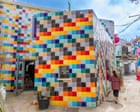
Gibellina’s transformation began in the aftermath of the seismic disaster when the town’s former mayor, Ludovico Corrao, invited world-renowned artists and architects to rebuild the city as a living museum. This vision resulted in the creation of 'Cretto di Burri,' one of the largest land-art works in the world, which covers the ruins of the original town in white concrete. The new designation as a cultural capital brings a dedicated government grant of one million euros, which will be utilized to restore existing monuments and host a series of international exhibitions designed to draw visitors away from the overcrowded hubs like Palermo.
While Palermo continues to experience a tourism boom along the bustling Via Maqueda, the broader strategy for western Sicily focuses on decentralization. By highlighting the 'museum under the stars' in the Belice Valley, regional authorities hope to balance the tourism load and provide sustainable economic opportunities for smaller municipalities. The project serves as a blueprint for other Italian regions, demonstrating how contemporary installations and avant-garde architecture can breathe new life into historically marginalized or abandoned landscapes, effectively turning scars of the past into assets for the future.
🏷️ Themes
Culture, Urban Renewal, Tourism
Entity Intersection Graph
No entity connections available yet for this article.