
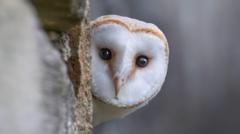
Wildlife to replace historical characters on banknotes
#banknotes #wildlife #historical figures #currency redesign #biodiversity #conservation #natural heritage
📌 Key Takeaways
- Banknotes will feature wildlife instead of historical figures
- The change aims to highlight natural heritage and biodiversity
- This marks a shift from celebrating human achievements to environmental focus
- The redesign may reflect growing public interest in conservation
📖 Full Retelling
🏷️ Themes
Currency Design, Conservation
Entity Intersection Graph
No entity connections available yet for this article.
Deep Analysis
Why It Matters
This change matters because banknotes serve as cultural symbols that reflect national identity and values. Replacing historical figures with wildlife represents a significant shift in how a country chooses to represent itself to citizens and the world. It affects everyone who uses currency, potentially changing public perception of national heritage versus environmental priorities. The decision could spark debates about historical preservation versus modernization of national symbols.
Context & Background
- Most countries traditionally feature historical figures, monarchs, or political leaders on their currency as symbols of national heritage
- Some countries like Canada, New Zealand, and Norway have already incorporated wildlife or natural scenes on their banknotes alongside or instead of people
- Currency redesigns typically occur every 10-20 years due to security needs, with design changes often reflecting evolving national values
- Historical figures on currency have sometimes become controversial due to changing perspectives on their legacies and actions
What Happens Next
The central bank will likely announce a timeline for the transition, with new designs being revealed in coming months. Existing banknotes will remain legal tender during a phased replacement period. Public reaction and potential backlash from historical preservation groups may influence the implementation. The change may inspire other countries to reconsider their currency designs, particularly those reevaluating historical figures.
Frequently Asked Questions
This shift often reflects growing environmental consciousness and a desire to celebrate natural heritage alongside human history. It can also help avoid controversies surrounding historical figures whose legacies are being reevaluated. Some countries see wildlife as unifying symbols that represent shared natural resources rather than divisive historical narratives.
No, existing banknotes typically remain legal tender for years during a gradual transition period. Central banks usually announce extended timelines for phasing out old currency, often allowing both old and new designs to circulate simultaneously. Eventually, old notes can usually be exchanged at banks even after they're withdrawn from circulation.
Countries typically choose iconic native species that represent different ecosystems or regions. Endangered species sometimes feature to raise conservation awareness. Selection often involves public consultation or expert committees to ensure the animals have cultural significance and visual appeal for currency design.
Currency redesigns always incorporate the latest security technologies regardless of imagery changes. New banknotes will include advanced anti-counterfeiting features like holograms, specialized inks, and complex patterns. The wildlife imagery may actually allow for more intricate designs that enhance security through detailed natural patterns.
Yes, currency redesigns involve significant costs for design, production, and public education about new notes. However, these costs are typically budgeted as part of regular currency modernization cycles. The expenses are weighed against benefits like improved security, reduced counterfeiting, and symbolic value of updated national imagery.