
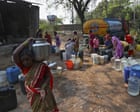
Women and girls bearing brunt of water shortages globally, UN warns
#UN #water shortages #women #girls #gender inequality #global #water scarcity
📌 Key Takeaways
- Women and girls are disproportionately affected by global water shortages, according to a UN report.
- The UN warns that water scarcity exacerbates gender inequalities in affected regions.
- Lack of access to clean water increases the burden on women and girls for water collection and household management.
- The report calls for urgent action to address water scarcity and its gendered impacts.
📖 Full Retelling
🏷️ Themes
Gender Inequality, Water Scarcity
📚 Related People & Topics

United Nations
Global intergovernmental organization
The United Nations (UN) is a global intergovernmental organization established by the signing of the UN Charter on 26 June 1945 with the articulated mission of maintaining international peace and security, to develop friendly relations among states, to promote international cooperation, and to serve...
Entity Intersection Graph
Connections for United Nations:
Mentioned Entities
Deep Analysis
Why It Matters
This UN warning highlights how water scarcity disproportionately impacts women and girls globally, affecting their health, education, and economic opportunities. Women often bear primary responsibility for water collection in many cultures, spending hours daily fetching water instead of pursuing education or income-generating activities. This gender disparity in water burden exacerbates existing inequalities and hinders progress toward gender equality and sustainable development goals. The issue affects billions in water-stressed regions, particularly in developing countries where infrastructure is lacking.
Context & Background
- Globally, women and girls spend an estimated 200 million hours daily collecting water according to UNICEF data
- Water scarcity affects over 2 billion people worldwide, with climate change intensifying droughts and water stress in many regions
- In many traditional societies, water collection is considered women's work, with girls often pulled from school to help with this task
- The UN Sustainable Development Goal 6 aims to ensure availability and sustainable management of water and sanitation for all by 2030
- Previous UN reports have documented links between water scarcity and increased gender-based violence as women travel longer distances to find water
What Happens Next
The UN will likely intensify advocacy for gender-responsive water policies ahead of the 2023 UN Water Conference. Expect increased funding appeals for water infrastructure projects that specifically address women's needs. National governments may face pressure to collect gender-disaggregated data on water access and burden. Climate adaptation programs will increasingly need to demonstrate how they address gender disparities in water management.
Frequently Asked Questions
Cultural norms in many societies designate water collection as women's responsibility. When water sources dry up or become distant, women and girls spend more time walking to find water, reducing time for education, work, or rest.
Women face increased risks of physical injury from carrying heavy water containers long distances. Limited water for hygiene particularly affects menstrual health and increases reproductive health risks. Dehydration and waterborne diseases also disproportionately affect those with primary water responsibility.
Girls are often kept home from school to help collect water, leading to higher dropout rates. Even when attending school, fatigue from water collection reduces learning capacity. Schools without adequate water and sanitation facilities particularly discourage girls' attendance during menstruation.
The UN advocates for gender-responsive water policies that involve women in decision-making. Practical solutions include installing water points closer to communities, developing time-saving water technologies, and ensuring water projects address women's specific needs and safety concerns.
Climate change increases drought frequency and severity, making traditional water sources less reliable. As water becomes scarcer, women must travel further to find it, increasing their burden and safety risks. Changing rainfall patterns disrupt agricultural water access, affecting women farmers disproportionately.