
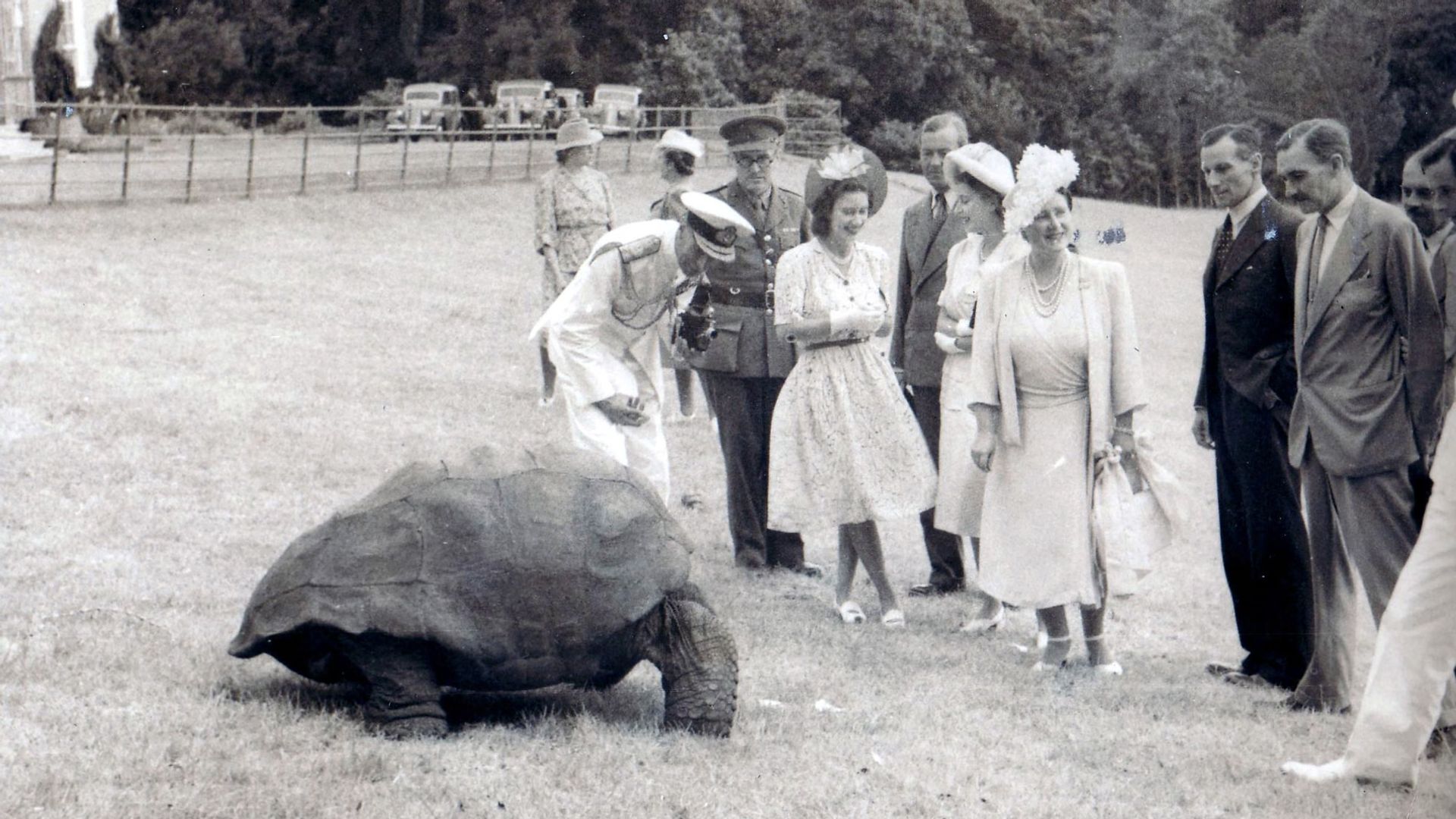
World's oldest living land animal 'alive' after getting caught up in alleged crypto scam
#Jonathan the tortoise #oldest living land animal #crypto scam #fake news #St. Helena #cryptocurrency fraud #animal hoax
📌 Key Takeaways
- Jonathan the tortoise, the world's oldest living land animal, is safe after being falsely reported as deceased in a crypto scam.
- The scam involved a fake news article claiming Jonathan had died to promote a fraudulent cryptocurrency token.
- The tortoise's caretakers confirmed he is alive and well at his home on St. Helena island.
- This incident highlights the misuse of celebrity or notable figures in cryptocurrency-related fraud schemes.
📖 Full Retelling
🏷️ Themes
Cryptocurrency Scam, Animal Welfare
Entity Intersection Graph
No entity connections available yet for this article.
Deep Analysis
Why It Matters
This news matters because it highlights how cryptocurrency scams can exploit even unlikely targets, demonstrating the pervasive and deceptive nature of these schemes. It affects the reputation of cryptocurrency platforms and raises concerns about regulatory oversight in the digital asset space. The involvement of a notable entity like the 'world's oldest living land animal' brings unusual public attention to crypto fraud issues, potentially influencing public perception and regulatory scrutiny.
Context & Background
- Cryptocurrency scams have become increasingly common, with losses totaling billions globally in recent years.
- Many scams use celebrity endorsements or unusual hooks to attract victims, exploiting trust and curiosity.
- Regulatory bodies worldwide are struggling to keep pace with rapidly evolving cryptocurrency fraud tactics.
- Previous high-profile crypto scams include the OneCoin and BitConnect schemes that defrauded millions of investors.
What Happens Next
Authorities will likely investigate the alleged scam, potentially leading to legal actions against the perpetrators. Increased media scrutiny may prompt regulatory discussions about cryptocurrency advertising and endorsement practices. The animal's caretakers or associated organizations might issue statements clarifying the situation and distancing themselves from the scheme.
Frequently Asked Questions
The animal's name, image, or symbolic status was likely used without consent to promote or endorse the fraudulent cryptocurrency scheme, exploiting its fame to lend credibility to the scam.
Common crypto scams include Ponzi schemes, fake initial coin offerings, phishing attacks, fraudulent exchanges, and celebrity-endorsement schemes that promise unrealistic returns.
People should research thoroughly before investing, avoid offers promising guaranteed high returns, use reputable exchanges, and never share private keys or recovery phrases with anyone.
Perpetrators could face charges including fraud, securities violations, and money laundering, potentially resulting in fines, asset forfeiture, and imprisonment depending on jurisdiction and scale.