
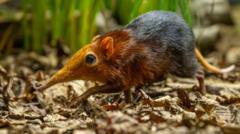
Zoo celebrates first UK-born elephant shrews
#elephant shrews #UK-born #London Zoo #conservation #breeding success
📌 Key Takeaways
- London Zoo celebrates the first UK-born elephant shrews, a rare breeding success.
- The newborn shrews are healthy and being monitored by zoo staff.
- This event highlights conservation efforts for the species, native to Africa.
- The birth contributes to genetic diversity in captive populations.
🏷️ Themes
Conservation, Zoo Breeding
📚 Related People & Topics
London Zoo
World's oldest scientific zoo, in London, England
London Zoo, previously known as ZSL London Zoo or London Zoological Gardens and sometimes called Regent's Park Zoo, is the world's oldest scientific zoo. It was opened in London on 27 April 1828 and was originally intended to be used as a collection for scientific study. In 1831 or 1832, the Tower o...
Entity Intersection Graph
No entity connections available yet for this article.
Mentioned Entities
Deep Analysis
Why It Matters
This news matters because it represents a significant conservation achievement for a vulnerable species. Elephant shrews, native to Africa, face habitat loss and declining populations in the wild. Successful captive breeding programs in the UK contribute to genetic diversity and potential future reintroduction efforts. This development affects conservation biologists, zoo visitors who can now see these rare animals, and global biodiversity preservation initiatives.
Context & Background
- Elephant shrews (also called sengis) are small insectivorous mammals native to Africa, not actually related to true shrews
- Many elephant shrew species are classified as vulnerable or endangered due to habitat destruction from human expansion
- Captive breeding programs are crucial for maintaining genetic diversity when wild populations decline
- The UK has several zoos participating in international species survival plans for endangered animals
- Elephant shrews are known for their distinctive long noses resembling miniature elephant trunks
What Happens Next
The zoo will likely monitor the newborn elephant shrews closely during their critical development period. Veterinary staff will conduct health checks and ensure proper nutrition. The zoo may participate in sharing breeding success data with other institutions in the European Endangered Species Programme. Public viewing opportunities will be announced once the shrews are stable and acclimated to their environment.
Frequently Asked Questions
Elephant shrews play crucial roles in their ecosystems as insect controllers and soil aerators. They're part of Africa's unique biodiversity and serve as indicator species for habitat health. Their conservation helps protect entire ecosystems where they live.
Elephant shrew births in European zoos are relatively uncommon due to their specific environmental needs and breeding challenges. Successful captive breeding requires precise temperature, humidity, and dietary conditions that mimic their natural African habitats.
Wild elephant shrews primarily face habitat destruction from agricultural expansion and human settlement. They're also vulnerable to climate change altering their ecosystems and predation from introduced species. Fragmentation of their habitats limits genetic exchange between populations.
Typically, zoos allow viewing once the animals have passed critical developmental stages and are acclimated to their environment. The zoo will announce viewing opportunities while minimizing stress to the sensitive newborns and their parents.
Elephant shrews have remarkable evolutionary adaptations including their namesake flexible snouts for foraging, long legs for rapid movement, and monogamous breeding pairs. They represent an ancient mammalian lineage with characteristics distinct from both rodents and true shrews.