
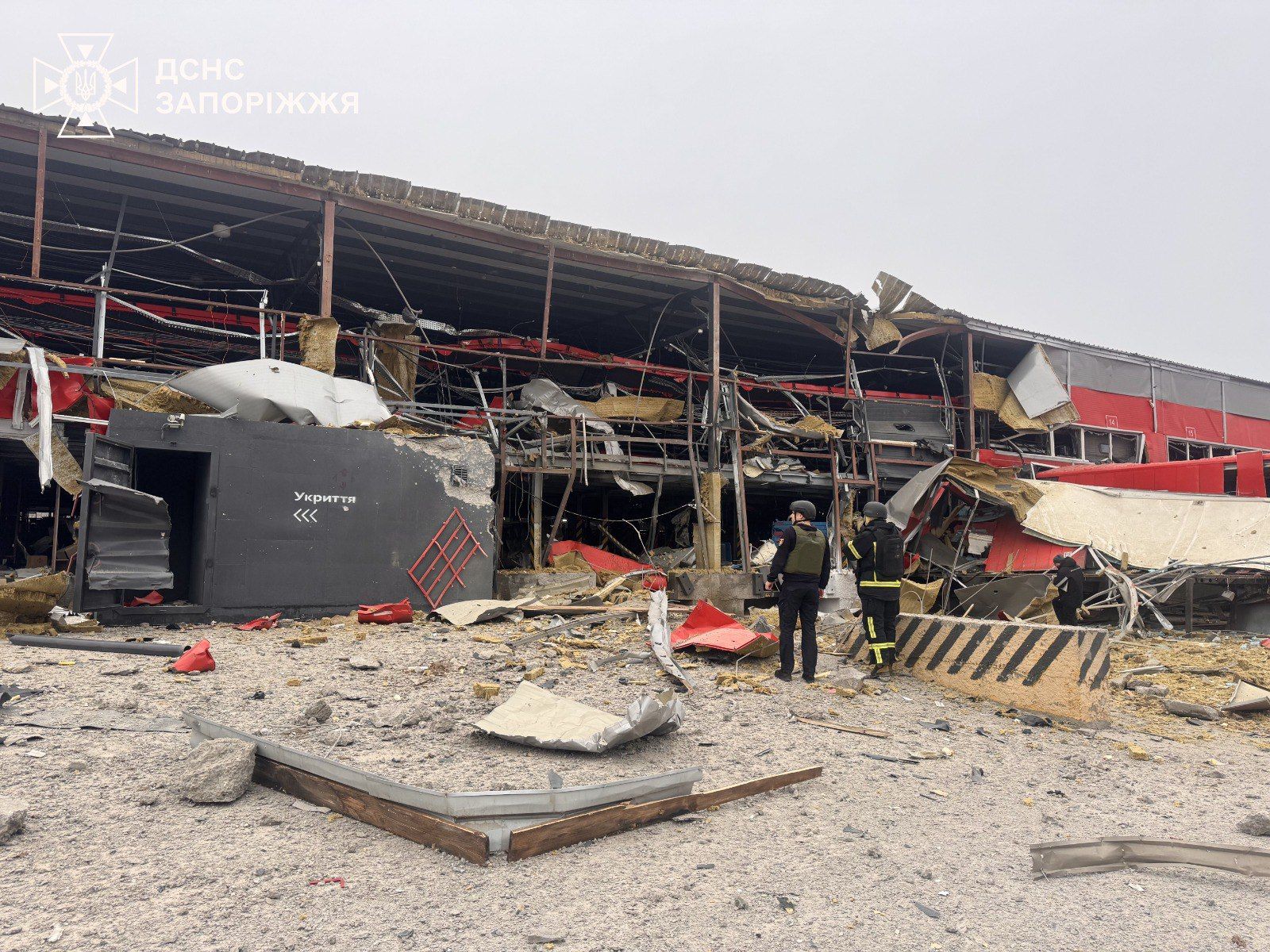
At least 11 killed, 55 injured in Russian attacks on Ukraine over past day
#Russia #Ukraine #attacks #casualties #injured #killed #conflict #war
📌 Key Takeaways
- At least 11 people were killed in Russian attacks on Ukraine over the past day.
- A total of 55 individuals were injured in the same series of attacks.
- The attacks occurred within a 24-hour period, highlighting ongoing conflict intensity.
- Civilian casualties are reported as a direct result of the military assaults.
📖 Full Retelling
🏷️ Themes
War Casualties, Military Conflict
📚 Related People & Topics

Russia
Country in Eastern Europe and North Asia
Russia, or the Russian Federation, is a country in Eastern Europe and North Asia. It is the largest country in the world, spanning eleven time zones and sharing land borders with fourteen countries. With a population of over 140 million, Russia is the most populous country in Europe and the ninth-mo...

Ukraine
Country in Eastern Europe
# Ukraine **Ukraine** is a country located in Eastern Europe. It is the second-largest country in Europe by area, after Russia. Known for its extensive fertile plains, the nation serves as a critical global exporter of grain and is considered a middle power in international affairs. ## Geography a...
Entity Intersection Graph
Connections for Russia:
Mentioned Entities
Deep Analysis
Why It Matters
This news highlights the ongoing human cost of Russia's invasion of Ukraine, demonstrating that despite international attention shifting elsewhere, the conflict remains deadly for civilians and soldiers alike. It affects Ukrainian families who lose loved ones, strains the country's medical and emergency services, and underscores the failure of diplomatic efforts to secure a ceasefire. The continued attacks also impact global security by testing Western military support for Ukraine and maintaining pressure on energy and food markets.
Context & Background
- Russia launched a full-scale invasion of Ukraine on February 24, 2022, marking Europe's largest conventional military conflict since World War II
- The war has caused tens of thousands of civilian casualties and displaced millions of Ukrainians, with frequent attacks on residential areas and critical infrastructure
- Previous peace negotiations have repeatedly collapsed, with Russia currently occupying approximately 18% of Ukraine's internationally recognized territory
- International sanctions against Russia have been unprecedented but have not halted military operations, while Ukraine relies heavily on Western weapons and aid
What Happens Next
Ukraine will likely request additional air defense systems and military aid from Western allies at upcoming NATO meetings. Russia may intensify attacks ahead of Ukraine's potential counteroffensive operations in spring 2024. The UN Security Council will probably convene emergency sessions, though no substantive action is expected due to Russia's veto power. International humanitarian organizations will deploy emergency response teams to affected regions.
Frequently Asked Questions
Military analysts suggest Russia targets civilian infrastructure to demoralize Ukrainian resistance, disrupt logistics, and pressure the government to negotiate on Russian terms. These attacks also stretch Ukraine's air defense resources and emergency response capabilities.
Casualty numbers in active war zones are often preliminary and likely undercounted due to difficulties accessing attack sites and identifying victims. Both sides may present differing figures for propaganda purposes, though UN and independent monitors generally verify reports.
Ukraine operates layered air defense systems provided by Western allies, but cannot intercept all missiles and drones. Civilians rely on early warning systems, underground shelters, and evacuation protocols, though these offer limited protection against direct hits on residential buildings.
Western nations consistently condemn attacks and provide military aid, while the UN documents potential war crimes. However, diplomatic solutions remain stalled as Russia rejects ceasefire proposals that don't recognize its territorial gains, and China maintains strategic neutrality.
While European support remains strong, political divisions in the US Congress have delayed aid packages. The attacks reinforce arguments for continued support among allies but also raise questions about the effectiveness of current military assistance in preventing civilian casualties.