
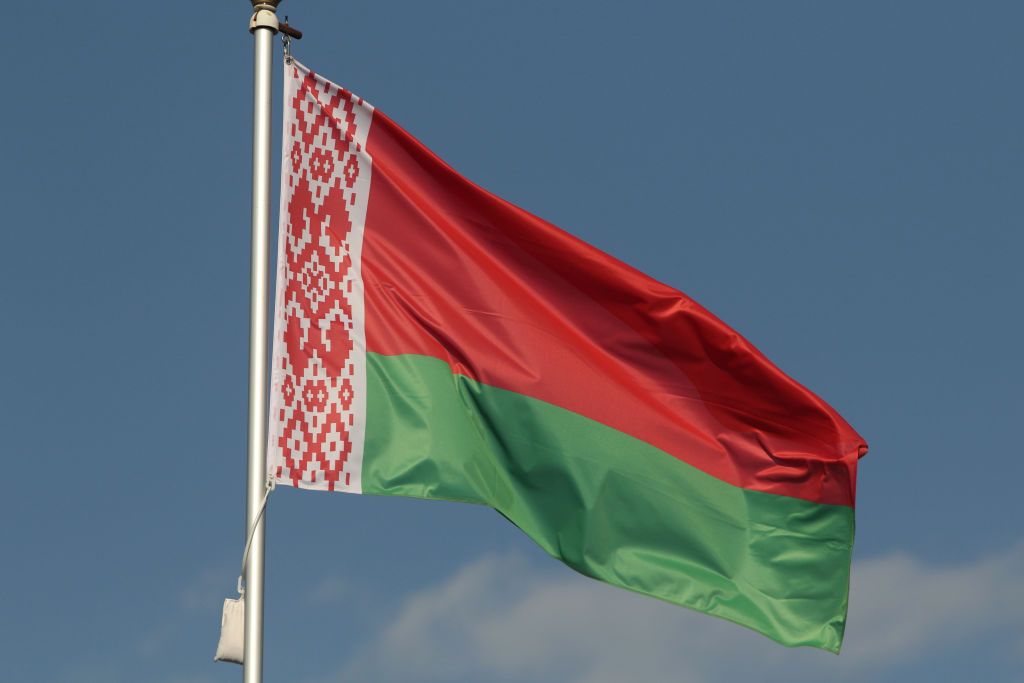
Belarus unable to secure visas for Trump's Board of Peace meeting
#Belarus #United States #Board of Peace #Donald Trump #Alexander Lukashenko #Visas #Russia #Ukraine #Gaza #UN #Diplomacy #Geopolitics
📌 Key Takeaways
- Belarus cannot obtain visas for the U.S. Board of Peace meeting
- The Board of Peace was created by former U.S. President Donald Trump with a democratic‑governance pledge tied to the U.N.
- The board’s initial focus was Gaza but it now seeks a wider mandate, including the Ukraine conflict
- A proposed $1 billion fee for a permanent seat has drawn criticism that the board is Trump’s personal UN
- Belarus’s close alignment with Russia during the Ukraine war, supporting troop movements and missile launches
- Foreign Minister Maxim Ryzhenkov was slated to attend, but the invite was addressed to President Alexander Lukashenko
📖 Full Retelling
🏷️ Themes
International Diplomacy, Geopolitical Tensions, Humanitarian Initiatives, Visa and Travel Restrictions, Russia–Ukraine Conflict
Entity Intersection Graph
No entity connections available yet for this article.
Deep Analysis
Why It Matters
This incident highlights the enduring diplomatic isolation of Belarus by the United States, complicating the potential efficacy of the newly formed Board of Peace. It signals that despite high-level invitations, the U.S. government maintains a hardline stance against the Lukashenko regime due to its support for Russia's war in Ukraine. Consequently, this exclusion limits the board's ability to hear from a key Russian ally, potentially skewing the perspective of any proposed peace initiatives.
Context & Background
- U.S.-Belarus relations have deteriorated significantly since the 2020 disputed presidential election and the subsequent brutal crackdown on pro-democracy protesters.
- Belarus allowed Russian troops to use its territory as a staging ground for the 2022 invasion of Ukraine, drawing extensive sanctions from the U.S. and EU.
- The U.S. State Department currently maintains strict travel restrictions on Belarusian officials, often citing national security concerns and human rights abuses.
- Donald Trump announced the creation of the Board of Peace as a unique diplomatic vehicle to address ongoing global crises, though its operational structure remains novel.
- Alexander Lukashenko has ruled Belarus for nearly three decades, relying heavily on political and economic support from the Kremlin.
What Happens Next
The Board of Peace will likely proceed with its inaugural meeting without Belarusian representation, potentially limiting the scope of discussions regarding the Russia-Ukraine conflict. Belarusian authorities are expected to lodge formal diplomatic complaints, which may further strain the minimal communication channels remaining between Minsk and Washington. This visa denial may also force the Trump administration to clarify the selection process and authority of the Board regarding international travel for sanctioned individuals.
Frequently Asked Questions
The U.S. State Department has the discretionary power to deny visas based on foreign policy interests, which currently include isolating the Belarusian regime for its role in the Ukraine war.
It is a newly established international body by Donald Trump aimed at mediating high-profile conflicts, specifically mentioning the situations in Gaza and Ukraine.
By excluding Belarus, the U.S. reinforces a strategy of diplomatic isolation against Russia's allies, signaling that Minsk is not currently viewed as a legitimate partner for peace talks.
Relations are at a historic low, characterized by heavy sanctions, reduced diplomatic staffing, and a lack of high-level bilateral engagement.