
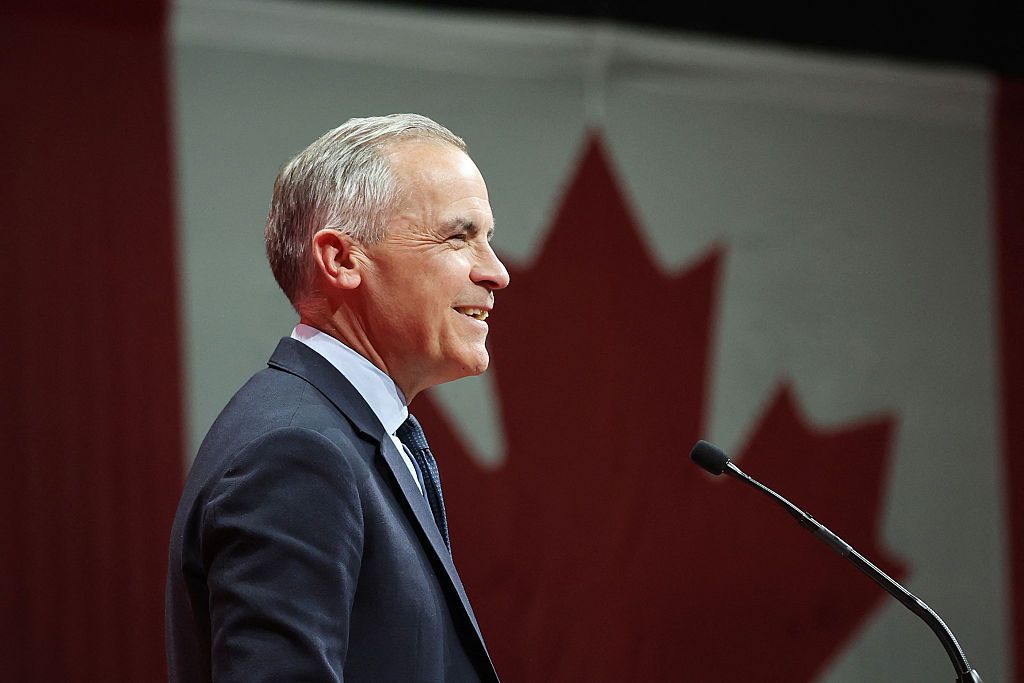
Canada adds 100 Russian shadow fleet vessels to sanctions list
#Canada #Russia #shadow fleet #sanctions #oil #Ukraine war #energy revenue
📌 Key Takeaways
- Canada has added 100 Russian shadow fleet vessels to its sanctions list.
- The move targets ships used to circumvent international sanctions on Russian oil.
- This action aligns with broader Western efforts to limit Russia's energy revenue.
- The sanctions aim to disrupt Russia's ability to finance its war in Ukraine.
📖 Full Retelling
🏷️ Themes
Sanctions, Geopolitics
📚 Related People & Topics

Russia
Country in Eastern Europe and North Asia
Russia, or the Russian Federation, is a country in Eastern Europe and North Asia. It is the largest country in the world, spanning eleven time zones and sharing land borders with fourteen countries. With a population of over 140 million, Russia is the most populous country in Europe and the ninth-mo...

List of wars involving Ukraine
The following is a list of major conflicts fought by Ukraine, by Ukrainian people or by regular armies during periods when independent states existed on the modern territory of Ukraine, from the Kievan Rus' times to the present day. It also includes wars fought outside Ukraine by Ukrainian military....
Canada
Country in North America
Canada is a country in North America. Its ten provinces and three territories extend from the Atlantic Ocean to the Pacific Ocean and northward into the Arctic Ocean, making it the second-largest country by total area, with the longest coastline of any country. Its border with the United States is t...
Entity Intersection Graph
Connections for Russia:
Mentioned Entities
Deep Analysis
Why It Matters
This sanctions expansion matters because it directly targets Russia's ability to circumvent oil price caps and fund its war in Ukraine through maritime trade. It affects global energy markets by disrupting Russian oil exports, impacts shipping companies and insurers involved with these vessels, and puts pressure on other nations to follow similar enforcement actions. Canadian businesses and ports must now avoid these sanctioned vessels or face penalties, while Russia faces increased difficulty maintaining its crucial energy revenue streams.
Context & Background
- The 'shadow fleet' refers to older tankers operating outside Western insurance and tracking systems to transport Russian oil despite international sanctions
- Following Russia's 2022 invasion of Ukraine, G7 nations imposed a $60-per-barrel price cap on Russian oil transported by sea
- Russia has assembled approximately 1,400 vessels in its shadow fleet to bypass sanctions and maintain oil exports to China, India and other markets
- Previous Canadian sanctions had targeted individual Russian officials and entities, but this represents a significant escalation in maritime enforcement
What Happens Next
Maritime authorities will begin monitoring for these vessels in Canadian waters and ports starting immediately. Other G7 nations may announce similar expanded sanctions lists in the coming weeks. Expect increased scrutiny of vessel ownership and insurance documentation at global shipping hubs. Russia will likely respond by further obscuring vessel ownership through additional shell companies and flag changes.
Frequently Asked Questions
Shadow fleet vessels are typically older tankers that operate without Western insurance or proper tracking systems. They use opaque ownership structures and frequently change flags to transport sanctioned commodities like Russian oil while avoiding detection and price cap enforcement.
Canada will monitor its territorial waters and ports for these specific vessels, denying them services and potentially seizing assets. Canadian businesses and financial institutions must cease all transactions with these vessels or face significant penalties under Canadian sanctions law.
Canada already banned direct Russian oil imports in 2022. These sanctions target the indirect global trade that allows Russia to sell oil to other countries, thereby reducing Russia's overall revenue and making it more expensive and difficult for them to operate their oil export business.
While 100 vessels represents a meaningful portion of Russia's shadow fleet, Russia still has hundreds of alternative vessels. The impact will depend on whether other Western nations follow Canada's lead and whether the sanctions successfully disrupt shipping patterns and increase Russia's transportation costs.
The vessel would be denied port services, potentially detained, and could face asset seizure. The owners, operators, and insurers could face substantial fines, and any Canadian entities doing business with the vessel would violate sanctions law.