
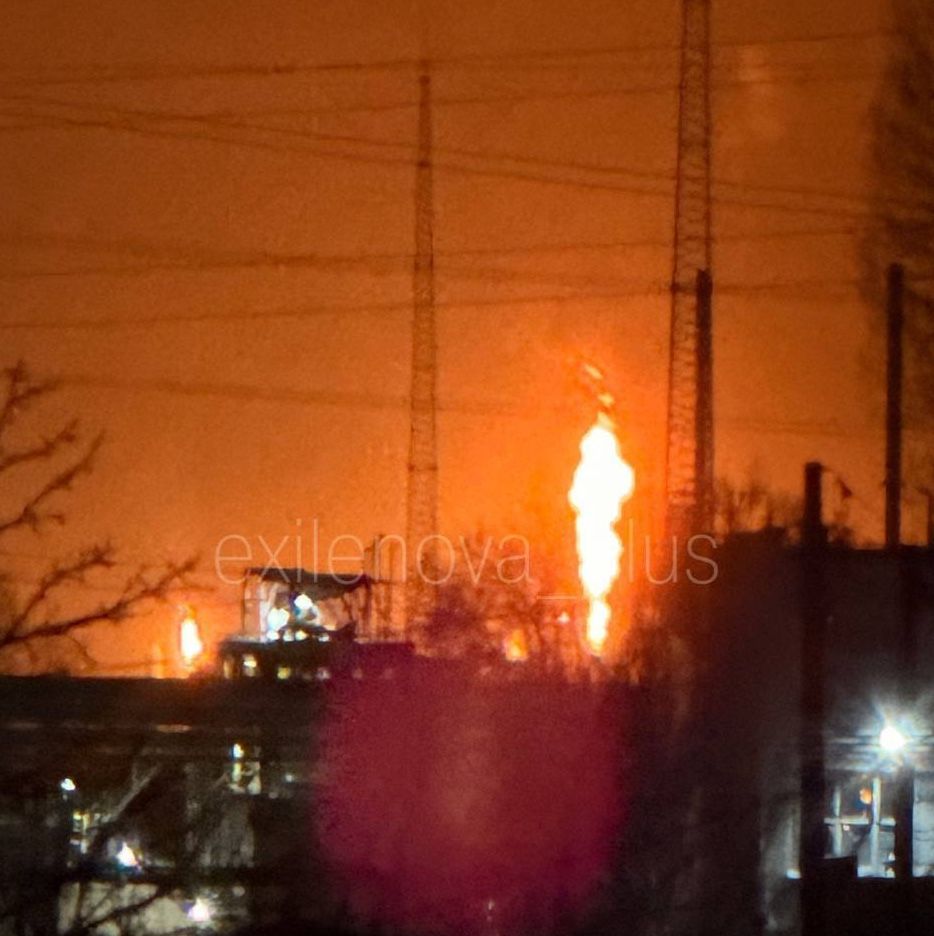
Drones target Russia's Saratov, Samara oblasts in overnight attacks
#drones #Russia #Saratov #Samara #overnight attacks #security #oblast
📌 Key Takeaways
- Drones attacked Russia's Saratov and Samara oblasts overnight.
- The attacks targeted regions deep within Russian territory.
- No immediate reports of casualties or significant damage were provided.
- The incidents highlight ongoing security vulnerabilities in Russia's interior.
📖 Full Retelling
🏷️ Themes
Drone Warfare, Regional Security
📚 Related People & Topics

Russia
Country in Eastern Europe and North Asia
Russia, or the Russian Federation, is a country in Eastern Europe and North Asia. It is the largest country in the world, spanning eleven time zones and sharing land borders with fourteen countries. With a population of over 140 million, Russia is the most populous country in Europe and the ninth-mo...

Samara
City in Samara Oblast, Russia
Samara, formerly known as Kuybyshev (1935–1991), is the largest city and administrative centre of Samara Oblast in Russia. The city is located at the confluence of the Volga and the Samara rivers, with a population of over 1.14 million residents, up to 1.22 million residents in the urban agglomerati...

Saratov
City in Saratov Oblast, Russia
Saratov (UK: sə-RAH-tof, US: -təf; Russian: Саратов, pronounced [sɐˈratəf] ) is the largest city and administrative center of Saratov Oblast, Russia, and a major port on the Volga River. As of the 2021 Census, Saratov had a population of 901,361, making it the 17th-largest city in Russia by popul...
Entity Intersection Graph
Connections for Russia:
Mentioned Entities
Deep Analysis
Why It Matters
This drone attack on Russia's Saratov and Samara oblasts represents a significant escalation in the Ukraine conflict, demonstrating Ukraine's ability to strike deep inside Russian territory. It affects Russian civilians living far from the front lines who previously felt secure, potentially undermining domestic support for the war. The attacks also threaten critical Russian infrastructure and military assets located in these regions, which could impact Russia's war-fighting capabilities. Additionally, such strikes increase the risk of broader regional conflict and possible retaliation against NATO countries.
Context & Background
- Saratov and Samara oblasts are located approximately 500-700 kilometers from the Ukrainian border, far beyond previous typical strike ranges
- These regions host important military-industrial facilities including aircraft manufacturing plants and potential nuclear weapons storage sites
- Ukraine has been developing long-range drone capabilities throughout 2023-2024 to compensate for limited missile supplies from Western allies
- Previous deep strikes have targeted Russian oil refineries and military airfields, representing a shift in Ukrainian strategy from defense to offense
- Russia has repeatedly claimed its air defenses can protect against such attacks, making successful strikes politically embarrassing for the Kremlin
What Happens Next
Russia will likely enhance air defense systems around critical infrastructure in central regions, possibly redeploying systems from other areas. Ukraine may continue similar deep-strike operations targeting military and energy infrastructure. NATO countries will face increased pressure regarding weapons supplies to Ukraine, particularly long-range systems. The UN Security Council may hold emergency meetings if strikes continue escalating, though Russia's veto power limits potential action. Expect increased Russian missile and drone attacks on Ukrainian cities in retaliation within the next 48-72 hours.
Frequently Asked Questions
These regions contain critical military infrastructure including aircraft manufacturing facilities and potential strategic weapons storage. Their distance from Ukraine demonstrates extended strike capabilities that challenge Russian claims of territorial security.
Ukraine has developed indigenous long-range drone technology with ranges exceeding 1,000 kilometers. These drones are cheaper than missiles and can evade some air defenses by flying low and using terrain masking, though success rates vary.
Russia will probably intensify air defenses around key facilities and launch retaliatory strikes on Ukrainian cities and infrastructure. The Kremlin may also accelerate development of counter-drone technologies and potentially strike drone production facilities if located.
Under international law, attacks on military targets are generally permissible, but strikes causing disproportionate civilian casualties or targeting purely civilian infrastructure would be violations. The legal status depends on specific targets and collateral damage.
Some Western governments may express concern about escalation risks while others see it as legitimate self-defense. The attacks could influence debates about providing longer-range weapons, with some countries becoming more willing and others more cautious.