
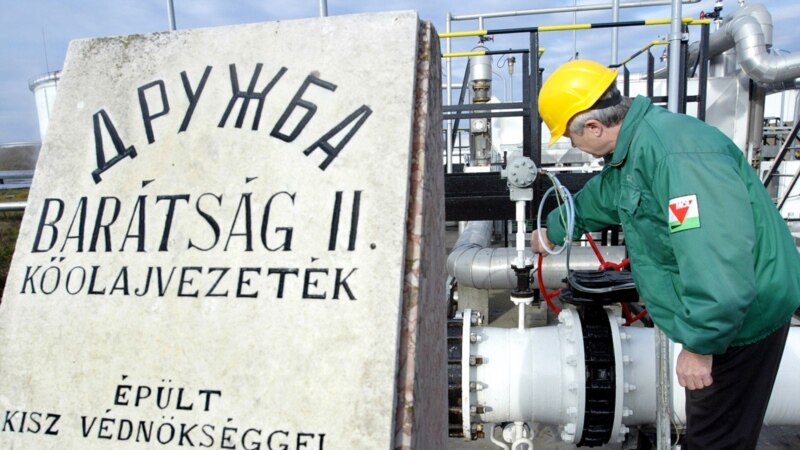
EU To Send Team To Druzhba In Bid To Lift Hungarian-Slovak Vetoes
#EU #Druzhba pipeline #Hungary #Slovakia #veto #Russian oil #sanctions #energy security
📌 Key Takeaways
- EU sending team to Druzhba pipeline to address Hungarian and Slovak vetoes
- Effort aims to resolve disputes blocking EU decisions or sanctions
- Druzhba pipeline is a key route for Russian oil into Europe
- Move reflects EU's attempt to maintain unity amid energy tensions
📖 Full Retelling
🏷️ Themes
Energy Policy, EU Diplomacy
Entity Intersection Graph
No entity connections available yet for this article.
Deep Analysis
Why It Matters
This news is critical because it addresses a major rift within the European Union regarding energy security and sanctions against Russia. Hungary and Slovakia's vetoes are blocking the implementation of a crucial mechanism to cap Russian oil prices, which is essential for degrading Moscow's war funding. The EU sending a team to the Druzhba pipeline underscores the urgency of the situation and the difficulty of enforcing unified energy policies among member states with divergent economic interests.
Context & Background
- The Druzhba pipeline is the largest oil pipeline in Europe, transporting crude oil from Russia to Belarus, Ukraine, Poland, Germany, and Hungary.
- Hungary and Slovakia have consistently opposed the EU's price cap on Russian oil, arguing that it would force them to pay higher prices or lose their energy supply.
- The EU has been struggling to reach a consensus on the price cap mechanism, with Central European nations blocking the legislation multiple times.
- The pipeline is a key lifeline for these countries' energy security, making them reluctant to sever ties with Russia despite the broader EU sanctions regime.
- The European Commission has previously threatened legal action against member states that block the implementation of sanctions.
What Happens Next
The EU team is expected to arrive at the Druzhba pipeline terminals to inspect operations and negotiate with Hungarian and Slovak officials. This visit is likely a precursor to a formal ultimatum or the imposition of fines if the vetoes are not lifted. A resolution may involve granting Hungary and Slovakia temporary exemptions from the price cap mechanism, though this would likely face pushback from other member states.
Frequently Asked Questions
It is a major trans-European oil pipeline that connects Russia to Central and Western Europe, serving as a critical energy lifeline for several member states.
They have vetoed the EU's price cap on Russian oil, fearing that the mechanism would disrupt their energy supplies and cause economic instability.
The goal is to inspect the pipeline and force the two nations to lift their vetoes so the price cap can be implemented across the bloc.
If they refuse to comply, the EU could impose heavy fines or initiate legal proceedings against them for blocking sanctions.