
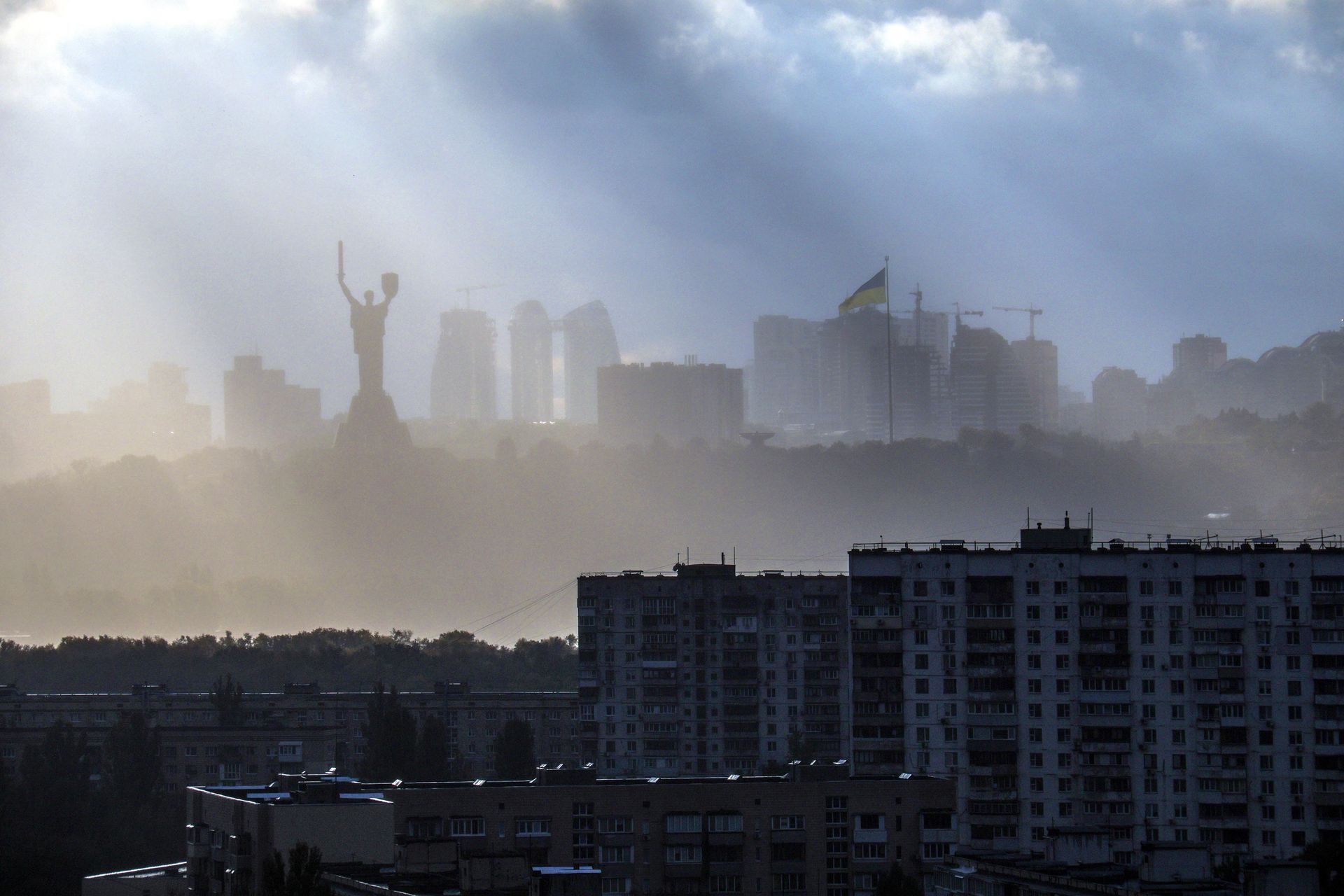
Explosions rock Kyiv as Russian drones target capital during morning rush hour
#Kyiv #Russian drones #explosions #morning rush hour #capital attack #security disruption #military aggression
📌 Key Takeaways
- Russian drones attacked Kyiv during morning rush hour, causing explosions.
- The capital city was targeted, indicating an escalation in strikes on urban centers.
- The attack disrupted daily life and heightened security concerns for residents.
- This incident reflects ongoing military aggression in the region.
🏷️ Themes
Military Conflict, Urban Security
Entity Intersection Graph
No entity connections available yet for this article.
Deep Analysis
Why It Matters
This attack demonstrates Russia's continued ability to strike Ukraine's capital despite Ukrainian air defenses, directly endangering civilian lives during peak commuting hours. It affects Kyiv residents who face daily threats to their safety, Ukrainian military forces responsible for air defense, and international observers monitoring the war's escalation. The timing during rush hour suggests intentional targeting of civilian infrastructure and psychological warfare aimed at demoralizing the population.
Context & Background
- Kyiv has faced repeated aerial attacks since Russia's full-scale invasion began in February 2022, though the capital was relatively spared during much of 2023 compared to frontline areas
- Russia has increasingly used Iranian-made Shahed drones in mass attacks against Ukrainian cities, which are cheaper than missiles but can still cause significant damage
- Ukrainian air defenses have improved with Western-supplied systems like Patriots and NASAMS, but gaps remain in coverage against low-flying drones
- Previous major attacks on Kyiv include the initial invasion attempt to capture the city in early 2022 and winter 2022-2023 strikes on energy infrastructure
What Happens Next
Ukrainian authorities will likely assess damage and casualties while air defense forces remain on high alert for follow-up attacks. International partners may expedite additional air defense systems and ammunition shipments. Russia will probably continue similar attacks in coming days, potentially testing Ukrainian defenses at different times. Ukraine may respond with drone or missile strikes on Russian territory or occupied Crimea.
Frequently Asked Questions
Russia primarily uses Iranian-made Shahed drones (often called 'kamikaze drones') that fly low and are difficult to detect. These inexpensive drones allow Russia to conduct mass attacks while conserving more expensive missiles for high-value targets.
Ukraine's air defenses in Kyiv have improved significantly with Western systems, but they're not impenetrable. The military typically reports shooting down 70-90% of incoming threats, but even a few getting through can cause casualties and damage.
Attacking during rush hour maximizes potential civilian casualties and creates psychological terror by disrupting daily life. It also complicates emergency response as roads are congested with commuters, making it harder for rescue services to reach affected areas.
These attacks drain Ukrainian air defense resources that could be used at the front lines, force civilians into shelters disrupting economic activity, and test Western resolve to continue supplying defense systems. They represent Russia's strategy to wear down Ukrainian morale and infrastructure.
Residents should immediately seek shelter in basements or underground stations when air raid sirens sound, stay away from windows, and follow official emergency service instructions. Many buildings now have marked shelters, and mobile alerts provide real-time warnings.