
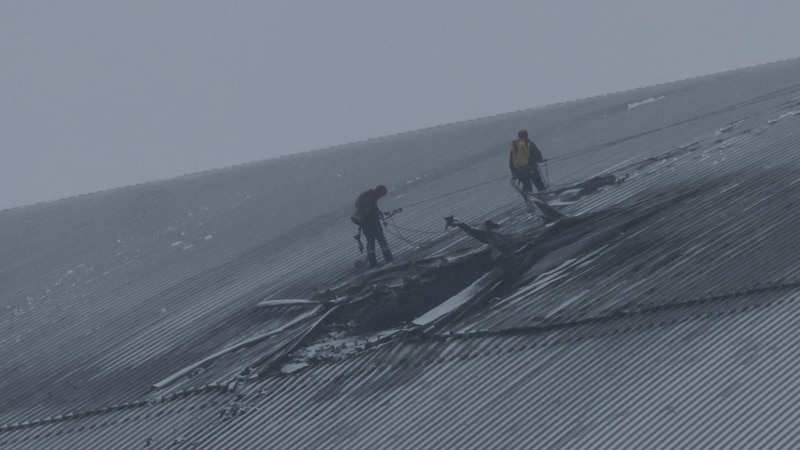
G7 Weighs $575 Million Chernobyl Repair As France Insists Ukraine Not Overshadowed
#G7 #Chernobyl #Ukraine #nuclear repair #France #funding #environmental protection
📌 Key Takeaways
- G7 nations are considering a $575 million project to repair the Chernobyl nuclear site's protective shelter.
- France is advocating for continued focus on Ukraine's broader needs amid the Chernobyl discussions.
- The funding aims to address structural risks at the damaged reactor to prevent further environmental contamination.
- The initiative highlights ongoing international efforts to manage the long-term consequences of the 1986 disaster.
📖 Full Retelling
🏷️ Themes
Nuclear Safety, International Aid
📚 Related People & Topics

Ukraine
Country in Eastern Europe
# Ukraine **Ukraine** is a country located in Eastern Europe. It is the second-largest country in Europe by area, after Russia. Known for its extensive fertile plains, the nation serves as a critical global exporter of grain and is considered a middle power in international affairs. ## Geography a...

France
Country primarily in Western Europe
France, officially the French Republic, is a country primarily located in Western Europe. Its overseas regions and territories include French Guiana in South America, Saint Pierre and Miquelon in the North Atlantic, the French West Indies, and many islands in Oceania and the Indian Ocean. Metropolit...

Chernobyl
Partially abandoned city in Kyiv Oblast, Ukraine
Chernobyl, also known as Chornobyl, is a partially abandoned city in Vyshhorod Raion, Kyiv Oblast, Ukraine. It is located within the Chernobyl Exclusion Zone, 90 kilometres (60 mi) to the north of Kyiv and 160 kilometres (100 mi) to the southwest of Gomel in neighbouring Belarus. Prior to being evac...
Entity Intersection Graph
Connections for Ukraine:
Mentioned Entities
Deep Analysis
Why It Matters
This news matters because it highlights ongoing international efforts to address nuclear safety risks in Ukraine, which could have catastrophic environmental and health consequences if neglected. It affects European security, global nuclear safety standards, and Ukraine's ability to manage critical infrastructure during wartime. The discussion also reveals diplomatic tensions within the G7 about maintaining focus on Ukraine amid competing global crises.
Context & Background
- The Chernobyl nuclear disaster occurred in 1986, creating the worst nuclear accident in history and contaminating large areas of Europe
- Russian forces occupied the Chernobyl site for about a month in early 2022 during their invasion of Ukraine, raising serious safety concerns
- The damaged reactor has been covered by a massive containment structure called the New Safe Confinement, completed in 2019 at a cost of approximately €2.1 billion
- Ukraine's energy infrastructure has been systematically targeted during the war, with the Zaporizhzhia nuclear plant also under Russian occupation since March 2022
What Happens Next
G7 members will likely negotiate funding commitments in the coming weeks, with decisions expected before their next major summit. Ukraine will need to coordinate with international nuclear agencies like the IAEA to implement repairs while maintaining wartime security protocols. Additional discussions may emerge about broader Ukrainian infrastructure protection as the conflict continues into its third year.
Frequently Asked Questions
The 1986 disaster left radioactive materials that require continuous containment and monitoring. The recent Russian occupation damaged monitoring equipment and created new safety vulnerabilities that need immediate attention to prevent potential radiation leaks.
France is concerned that other global crises might divert international attention and resources away from Ukraine's needs. They want to ensure the G7 maintains focus on both immediate military support and long-term reconstruction efforts for Ukraine.
While the main reactor is contained, damaged monitoring systems and potential structural issues create ongoing risks. The site requires constant maintenance to prevent radioactive material exposure, especially concerning given the active conflict in the region.
The funding would likely come from a combination of G7 member contributions, possibly supplemented by other international donors and multilateral institutions. The exact allocation would be negotiated among participating countries based on their economic capacity and political priorities.
This repair effort is part of broader concerns about Ukraine's nuclear infrastructure during wartime. The Zaporizhzhia plant remains under Russian occupation, creating separate but related safety challenges that also require international attention and monitoring.